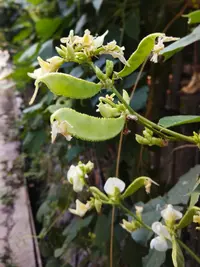
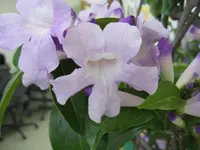
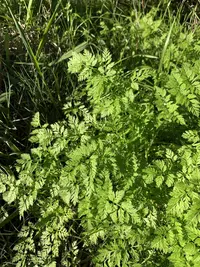
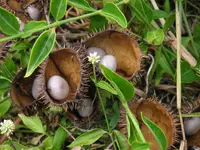
African morningvine Care (Xenostegia tridentata)

Also known as: Narrow-leaved Merremia, Narrowleaf Merremia, Miniature Morning Glory
African morningvine

About African morningvine

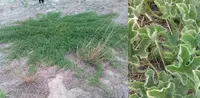
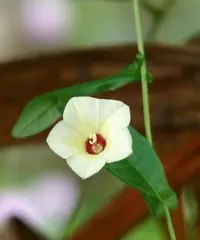
African morningvine, Xenostegia tridentata, is a low, scrambling or trailing vine in the morning glory family. It often forms mats or loose groundcover with slender stems and small, three-lobed leaves.

In the wild it grows in warm, dry to seasonally moist regions of Africa and parts of tropical Asia, often in open, sunny sites and sandy or disturbed soils. The plant is generally tough and fast-growing, but its vigorous, sprawling habit can make it a bit untidy in small spaces.

Light, well-drained soil and good sun exposure usually support healthy growth, and understanding these basic needs helps clarify how to care for African morningvine.

Main Plant Requirements

Care Difficulty

Easy Care

Light Preference

Full Sun

Water Requirements

Low Water

Temperature Preference

Tropical / Frost Sensitive

Hardiness Zone

10–12

Soil Texture

Sandy, Loamy, Rocky

Soil pH

Slightly acidic (6.5–7.0), Neutral (7.0)

Soil Drainage

Well-drained

Fertilization

Minimal (feed rarely)

Get Personalized Care Plan

Scan your plant to receive care tips personalized for your specific plant

Available on iOS and Android

How to Care for the African morningvine

This sun-loving vine develops best in bright, open sites with warm conditions.

  • Provide 6–8 hours of direct sun daily; morning and early afternoon sun are ideal, with light afternoon shade in very hot climates.
  • Plant where it receives at least 3–4 hours of direct light even in the cooler season to prevent weak, stretched growth and poor flowering.
  • African morningvine tolerates partial shade, but in dense shade stems become thin, flowering declines, and foliage may yellow or drop.

This drought-tolerant species prefers thorough but infrequent watering once established.

  • Let the top 3–5 cm of soil dry before watering; in sandy ground this may mean watering only after several rain‑free days.
  • Use well-drained, gritty or sandy soil so excess water runs off quickly, reducing the risk of root rot and persistent sogginess.
  • During long dry, hot periods, watch for dull, slightly drooping leaves as a cue to water, and avoid constantly wet soil that causes yellowing foliage.

This warm-climate vine grows best where temperatures stay consistently mild to hot.

  • Optimal growth occurs around 70–90°F (21–32°C), with the most vigorous spreading and flowering in the warmer part of this range.
  • It tolerates brief heat up to about 100°F (38°C) if soil moisture is not extremely low, but growth may slow during extreme hot spells.
  • Frost is a major risk; growth is damaged near 32°F (0°C) and typically killed below 28°F (-2°C), so protect or reestablish plants after cold events.

This species tolerates a wide humidity range and rarely needs special humidity management.

  • Ideal humidity is around 30–60%, similar to most occupied indoor spaces.
  • African morningvine handles dry air but prolonged levels below 30% can slow growth and cause marginal leaf browning.
  • If air is very dry, increase humidity locally by grouping plants or placing the pot on a pebble tray with water below the pot base.

This groundcover vine prefers light, well-drained soil that does not stay wet after watering or rain.

  • Use a sandy or sandy-loam mix with moderate organic matter to balance moisture retention and aeration.
  • Aim for slightly acidic to neutral pH, roughly 6.0–7.2, which supports root function and nutrient availability.
  • Blend coarse sand or fine gravel with compost and a small amount of perlite to create rapid drainage yet maintain some moisture.
  • Avoid heavy clay, compacted substrates, or mixes with a high proportion of peat that remain waterlogged and promote root rot in Xenostegia tridentata.

This species adapts well to container growing when given enough root space and sharp drainage.

  • Choose a wide, shallow to medium-depth pot to allow spreading roots and stems without crowding the center.
  • Select a heavier pot material, such as thick terracotta or ceramic, to prevent tipping as the vine spreads over the rim.
  • Raise the container slightly on feet or bricks so drainage holes stay clear and runoff moves away quickly after watering.

Xenostegia tridentata grows well in lean soils and needs only light feeding in containers or poor ground.

  • Use a balanced liquid fertilizer (around 10-10-10) at 1/4–1/2 strength for potted plants in spring and summer.
  • Apply every 4–6 weeks during active growth if foliage looks pale or growth slows.
  • Avoid feeding in late fall and winter when growth naturally slows.
  • Compost or a small amount of slow-release fertilizer in spring is usually sufficient for African morningvine outdoors.

Pruning Xenostegia tridentata helps manage its sprawling habit and maintain healthy growth.

  • Best time is late winter to early spring before vigorous new growth starts.
  • Use clean, sharp hand pruners to remove dead, damaged, or diseased stems first.
  • Thin crowded or excessively long vines to improve air flow and control spread without stripping the plant.
  • Lightly shorten flowering shoots after bloom if needed to keep a compact, manageable shape.

This species is more often grown in the ground, so focus on careful transplanting or occasional container upsizing.

  • Transplant or repot in spring when night temperatures stay above 55°F and growth resumes.
  • Look for roots circling the pot, water running straight through, or slowed growth as signals to move up 1 pot size.
  • Lift with as much root ball as possible, keep roots shaded and moist, and replant at the same depth in well-drained soil.
  • Water thoroughly after planting, then keep evenly moist but not waterlogged for 1–2 weeks to limit transplant shock.

Xenostegia tridentata is commonly propagated from both seeds and cuttings.

  • Sow fresh seed in spring in a fast-draining mix, barely covering, and keep at 70–80°F with consistent light moisture.
  • Take 8–10 cm soft to semi-ripe stem cuttings in late spring or summer from non-flowering shoots.
  • Remove lower leaves, dip the base in rooting hormone, and place cuttings in a moist, well-aerated medium under bright, indirect light.
  • Maintain high humidity around cuttings with a vented cover and provide bottom warmth if possible to speed rooting.

In warm climates this plant needs minimal winter care but is sensitive to hard frost.

  • In USDA zones below 9, treat as an annual or lift container plants indoors before nights fall near 40°F.
  • For in-ground plants in marginal climates, apply a 5–8 cm mulch layer around the root zone, keeping mulch off stems.
  • Place overwintered containers in a bright, cool indoor spot and water sparingly so the soil does not stay soggy.

Care Tips

Low-profile training

Pinch back overly long runners and loosely peg them to the soil surface with wire U-pins or small stones to encourage denser, ground-hugging growth instead of sparse, tangling vines.

Root zone warming

In cooler climates, place dark mulch or flat stones around the root zone to absorb heat and slightly raise soil temperature, which supports faster establishment and flowering.

Targeted weed control

Hand-weed or spot-treat only the immediate root zone to reduce competition for water and nutrients while preserving some surrounding vegetation that helps prevent erosion in the plant’s open, sunny habitat.

Salt and drought hardening

In coastal or arid areas, gradually extend the interval between waterings and avoid frequent light irrigation so the plant develops deeper, more resilient roots adapted to seasonal drought stress.

Propagation by layering

Pin a flexible stem to bare soil, lightly cover the pinned section, and keep that spot just moist until roots form, then cut and transplant the new plant to expand a planting without disturbing the original clump when growing African morningvine.

Common Pests and Diseases

Leaf-chewing caterpillars

This pest feeds on the soft foliage and young shoots, leaving irregular holes and ragged edges on leaves. Symptoms include rapid defoliation on tender, sprawling stems, especially in warm, open sites.

Solution

Hand-pick caterpillars from the vines in the early morning or evening and destroy them, and prune back heavily damaged stems to stimulate new growth. Where feeding is severe, use a targeted biological control such as Bacillus thuringiensis (Bt) on the foliage, following label directions and reapplying after rain if needed.

Leaf beetles

These insects chew small to medium round holes in leaves and can skeletonize foliage when populations are high. This pest is more common on plants growing in open, dry, sandy or disturbed habitats.

Solution

Inspect plants regularly and dislodge beetles into soapy water by gently shaking or tapping the stems. Reduce weed hosts nearby, and if damage continues, apply a low-impact contact insecticide such as insecticidal soap or pyrethrin in the evening to limit impact on beneficial insects.

Red spider mites

These pests thrive in hot, dry conditions and feed on leaf undersides, causing fine stippling, a dull or bronzed look, and fine webbing between leaves and stems. Symptoms include slowed growth and premature leaf drop when infestations are heavy.

Solution

Rinse the foliage thoroughly with a strong but controlled stream of water, focusing on leaf undersides, and repeat every few days to knock back populations. Raise humidity around the plant, avoid drought stress, and use horticultural oil or insecticidal soap on both sides of the leaves if mites persist, making sure to cover the entire plant surface.

Powdery mildew

This disease produces a white to gray powdery coating on leaves, stems, and sometimes flower buds, especially in warm conditions with dry air and poor air movement. Symptoms include distorted new growth and premature yellowing or drop of older leaves.

Solution

Improve air circulation by spacing plants and thinning dense patches of vines, and water at soil level instead of overhead to keep foliage dry. Remove and discard heavily infected leaves, then apply a labeled fungicide such as sulfur or potassium bicarbonate to new and lightly affected growth, repeating as directed until new growth stays clean.

Leaf spot complex

This disease group, usually caused by various fungi or bacteria, leads to small brown, tan, or dark spots on leaves that may merge into larger patches with yellow halos. Symptoms include scattered lesions on older leaves first, followed by premature leaf drop in wet, humid conditions.

Solution

Remove and discard fallen and badly spotted leaves to reduce pathogen spread, and avoid overhead irrigation, especially late in the day. If spotting continues in humid weather, apply a broad-spectrum fungicide labeled for foliar leaf spots and ensure the plant has good air flow by lightly pruning congested stems, which is a practical part of Xenostegia tridentata plant care in outdoor settings.

Interesting Facts

Wide native range

This species occurs naturally from tropical Africa across the Arabian Peninsula to parts of South and Southeast Asia, typically in dry, open habitats such as sandy plains, roadsides, and disturbed ground.

Drought-adapted growth

The plant often grows as a low, trailing vine with relatively small leaves and a deep root system, features that help it persist through hot, dry periods and quickly resprout when moisture returns.

Morning-opening flowers

Its yellow, funnel-shaped flowers usually open in the morning and tend to close or wilt later in the day, a pattern that matches the activity of many of its insect pollinators and reduces water loss during peak heat.

Botan icon

Did you know?

In some regions, this species is one of the first herbaceous plants to recolonize overgrazed or disturbed dry land, helping stabilize bare soil and providing cover that facilitates the establishment of other vegetation.

FAQs about African morningvine

This species spreads by trailing stems and can root at the nodes, forming low, wide patches. In warm climates it may behave aggressively in open soil, so edging, containers, or regular trimming help limit unwanted spread.

Grow Healthy Plants with Botan Care

Keep your plants happy and healthy with plant identification, disease detection, and easy care guidance.


Botan plant care app — identify plants on mobile

Explore More Plants