waxgourd Care (Benincasa hispida)

Also known as: Winter Melon
waxgourd

About waxgourd

Waxgourd, Benincasa hispida, is a warm-season climbing vine grown for its large, wax-coated fruits. It belongs to the cucumber family and is typically cultivated as an annual vegetable crop.

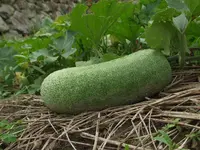
Plants have vigorous, sprawling stems, broad rough leaves, and tendrils that need strong support or ample ground space. The fruits are usually oval to cylindrical, with firm white flesh and a pale, waxy rind.

Waxgourd originates in tropical and subtropical Asia but is now grown widely in warm regions. It is generally considered manageable to grow, provided it receives full sun, consistent moisture, and fertile, well-drained soil.

Understanding how to care for waxgourd involves planning for its strong growth, long growing season, and need for warmth and space to produce quality fruit.

Main Plant Requirements

Care Difficulty

Moderate Care

Light Preference

Full Sun

Water Requirements

Regular Water

Temperature Preference

Tropical / Frost Sensitive

Hardiness Zone

10–12

Soil Texture

Loamy, Sandy, Organic-rich

Soil pH

Acidic (5.5–6.5), Slightly acidic (6.5–7.0)

Soil Drainage

Moist but well-drained

Fertilization

Moderate (every 2–4 weeks)

Get Personalized Care Plan

Scan your plant to receive care tips personalized for your specific plant

Available on iOS and Android

How to Care for the waxgourd

Benincasa hispida needs strong sun to produce vigorous vines and full-size fruits.

  • Provide 6–8 hours of direct sun daily, with morning sun and light afternoon shade preferred in hot regions.
  • Plant in an open, unshaded spot; it tolerates light partial shade but yields fewer and smaller waxgourd fruits.
  • Watch for pale, stretchy growth as a sign of too little light, and leaf scorch or crisp edges as a sign of excessive intense afternoon sun.

This vine prefers consistently moist but not waterlogged soil throughout the growing season.

  • Water when the top 3–5 cm of soil feel dry, applying a deep soak that moistens the root zone rather than frequent light sprinkling.
  • Use well-drained soil or raised rows so water moves through; standing water, sour smell, or yellowing soft leaves indicate overwatering.
  • In hot, dry periods increase frequency, while after fruit set and in cooler weather slightly reduce watering to limit fruit cracking and root rot risk.

This warm-season crop needs stable heat and does poorly in cold or frosty conditions.

  • Aim for 70–86°F (21–30°C) for active growth; seed germination and early vines slow noticeably below 68°F (20°C).
  • Protect plants from temperatures below 50°F (10°C), and avoid exposure to frost, which can kill foliage and young shoots outright.
  • In hot spells above 95°F (35°C), provide soil mulch and occasional light afternoon shade to reduce heat stress, flower drop, and sunscald on fruits.

Benincasa hispida grows best in outdoor conditions where humidity is not usually a limiting factor.

Benincasa hispida prefers deep, well-drained, fertile soil that supports strong vine and fruit development.

  • Use a loamy or sandy-loam soil enriched with 25–40% mature compost to provide nutrients and moisture retention without waterlogging.
  • Aim for slightly acidic to neutral pH around 6.0–7.2, adjusting with garden lime or elemental sulfur if local soil is far outside this range.
  • Improve drainage and aeration in heavy clay by incorporating coarse sand and fine gravel or horticultural grit through the top 20–30 cm.
  • Avoid compacted, waterlogged, or very shallow soils, which restrict root growth and increase risk of root rot and poor fruit set.

This vigorous climber can be grown in large outdoor containers when given enough root volume and support.

  • Choose a very large, heavy container (at least 50–60 L) so the vine’s weight and long stems do not tip the pot in wind.
  • Position a sturdy trellis or frame anchored in or behind the pot so developing fruits are supported without pulling the container over.
  • Use a dense, compost-rich mix that drains well but is heavier than typical potting soil to add stability against top-heaviness.

Benincasa hispida benefits from moderate feeding to support vigorous vine and fruit development.

  • Use a balanced NPK fertilizer (such as 10-10-10) or well-rotted compost mixed into the soil before planting.
  • During the growing season, apply a diluted liquid balanced feed every 3–4 weeks at 1/2 strength to avoid salt buildup.
  • Reduce feeding in late season or cool conditions, as growth slows and nutrient demand drops.
  • For extended nutrition, a slow-release granular fertilizer at planting can support growing waxgourd through mid-season.

Pruning Benincasa hispida helps manage vine length, improve airflow, and support strong fruiting.

  • Carry out main pruning in late spring to early summer once vines are established and actively growing.
  • Remove dead, damaged, or pest-infested shoots promptly using clean, sharp bypass pruners or scissors.
  • Thin crowded side shoots to open the canopy, reducing disease risk and directing energy to fewer, stronger fruits.
  • Pinch or tip vigorous runners after several leaves to encourage branching and more manageable plant shape.

This vining crop is usually started in containers then transplanted outdoors once conditions are warm and stable.

  • Transplant seedlings when they have 2–3 true leaves and roots lightly fill the starter cell without circling heavily.
  • Choose late spring after frost risk has passed and soil temperatures reach about 65°F for best establishment.
  • Plant into well-drained, fertile ground, keeping the root ball intact and disturbing roots as little as possible to limit stress.
  • Water thoroughly after transplanting, provide temporary shade or row cover for a few days, and maintain even moisture as plants adjust.

Benincasa hispida is most commonly propagated from seed for reliable, vigorous plants.

  • Sow seeds in late spring when soil or seed-starting mix is warm, ideally 70–85°F, for fast germination.
  • Start seeds indoors 3–4 weeks before planting out, using small pots or cells filled with sterile seed mix.
  • Plant seeds 1.5–2 cm deep, keep the medium evenly moist, and provide bright light to prevent leggy seedlings.
  • Direct sow outdoors only after frost has passed and soil drains well, spacing seeds to allow for long vines.

This warm-season annual is frost-sensitive and does not overwinter outdoors in most climates.

  • Harvest all mature fruits before the first hard frost, as vines decline quickly in freezing conditions.
  • In cool regions, treat plants as seasonal and remove spent vines after frost to reduce disease carryover.
  • Container-grown plants can be kept slightly longer by moving under cover above 50°F, but long-term overwintering is rarely practical.

Care Tips

Strong trellis setup

Install a sturdy trellis or horizontal support net before vines start running, spacing vertical posts 1.5–2 m apart, so the heavy fruits are carried safely and do not kink or snap the stems.

Fruit sling support

Once fruits reach about 10–15 cm, cradle each one in a wide fabric sling (old T‑shirts or soft mesh) tied to the trellis to prevent stem breakage and improve air flow around developing fruit.

Selective fruit thinning

Limit each vigorous main vine to 2–4 fruits by pinching off excess young ovaries, which directs resources into fewer gourds and improves size, uniform shape, and storage quality when growing waxgourd.

Timely pollination check

During flowering, inspect early morning blooms for bee activity and, if low, hand-pollinate by gently brushing pollen from male flowers onto female flowers with a small soft brush to secure reliable fruit set.

Curing for long storage

After harvest, cure fruits for 7–14 days in a dry, shaded, well-ventilated area, turning them occasionally, so the rind hardens and surface moisture dissipates, which greatly extends storage life.

Common Pests and Diseases

Red pumpkin beetle

This pest chews holes in young leaves, flowers, and tender fruits, often causing severe damage to seedlings and reducing yield.

Solution

Handpick adults in the early morning, destroy egg clusters on the undersides of leaves, use fine netting over young plants, and apply neem-based sprays or spinosad products targeted to beetles while avoiding peak pollinator activity.

Fruit fly

These insects lay eggs in developing fruits, and the larvae tunnel through the flesh, causing internal rotting and premature fruit drop.

Solution

Collect and destroy infested fruits, use baited traps or lures around the crop, bag or sleeve young fruits with breathable covers, and maintain strict field hygiene to reduce breeding sites.

Downy mildew

This disease produces yellow angular spots on upper leaf surfaces with grey to purplish mold underneath, leading to rapid leaf blight in humid weather.

Solution

Improve air circulation, avoid overhead watering, remove and destroy infected leaves, rotate crops with non-cucurbits, and use labeled copper or phosphonate fungicides preventively during prolonged leaf wetness.

Powdery mildew

Symptoms include white powdery growth on both leaf surfaces that can cause leaf yellowing, premature defoliation, and reduced fruit quality.

Solution

Promote good airflow, avoid excessive nitrogen fertilization, remove heavily infected leaves, and apply sulfur, potassium bicarbonate, or neem oil products labeled for cucurbits at the first sign of infection as part of broader Benincasa hispida care.

Cucumber mosaic virus

This disease causes mosaic or mottled leaf patterns, leaf distortion, stunting, and poor fruit set, often spread by aphids and infected tools or plant material.

Solution

Promptly remove and destroy symptomatic plants, control aphids with reflective mulches and targeted insecticidal soaps or oils, sanitize tools, and use only healthy, certified seed while rotating away from cucurbit hosts for several seasons.

Interesting Facts

Waxy, long-lasting rind

The mature fruit develops a thick, white, waxy coating on the rind that dramatically slows water loss and decay, allowing whole gourds to store for several months under suitable conditions.

Night-opening flowers

The plant produces large, white, night-opening flowers that are mainly pollinated by nocturnal insects such as moths, an adaptation to warm, humid evening conditions in its native range.

Immature fruit as vegetable

In many Asian cuisines, the immature green fruit with undeveloped seeds is used as a vegetable, valued for its mild flavor and ability to absorb spices in soups and stews.

Botan icon

Did you know?

Historical records from parts of South and East Asia describe wax gourd as a staple storage vegetable, with mature fruits kept in cool, dry rooms and consumed gradually over the dry season due to their exceptional natural keeping quality.

FAQs about waxgourd

Yellowing leaves usually come from nitrogen deficiency, waterlogging, or root stress. Check that soil drains well, avoid standing water, and apply a balanced vegetable fertilizer. Older leaves yellowing first is often normal aging after fruit set.

Grow Healthy Plants with Botan Care

Keep your plants happy and healthy with plant identification, disease detection, and easy care guidance.

Botan plant care app — identify plants on mobile

Explore More Plants