Theobroma subincanum Care

Theobroma subincanum

About Theobroma subincanum

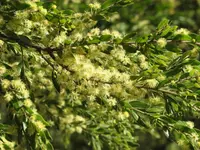
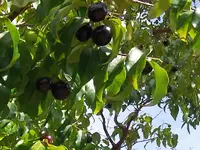
Theobroma subincanum is a tropical tree in the cacao family, valued mainly as a wild fruit and shade tree rather than a commercial crop. It typically grows with a straight trunk, broad evergreen canopy, and large, simple leaves, producing clusters of small flowers followed by elongated, ribbed pods. This species is native to lowland rainforests of the western Amazon Basin, where it grows in warm, humid, partially shaded conditions. It is moderately challenging to cultivate outside the tropics because it needs stable warmth, high humidity, and protection from cold or dry air, so learning how to care for Theobroma subincanum is important before planting.

Main Plant Requirements

Care Difficulty

Hard Care

Light Preference

Partial Shade

Water Requirements

Keep Soil Moist

Temperature Preference

Tropical / Frost Sensitive

Hardiness Zone

11–12

Soil Texture

Loamy, Organic-rich

Soil pH

Acidic (5.5–6.5), Slightly acidic (6.5–7.0)

Soil Drainage

Moist but well-drained

Fertilization

Light (every 4–6 weeks)

Get Personalized Care Plan

Scan your plant to receive care tips personalized for your specific plant

Available on iOS and Android

How to Care for the Theobroma subincanum

This tropical understory tree prefers stable, bright conditions without harsh exposure.

  • Provide 4–6 hours of bright, filtered light daily, such as dappled shade under taller trees; strong afternoon sun can scorch young leaves of Theobroma subincanum.
  • Allow gentle morning sun with light shade from midday onward; avoid all-day direct sun, especially in hot, low-latitude climates.
  • In cooler or overcast seasons, increase light by reducing shade, but protect from sudden shifts from deep shade to full sun to prevent leaf burn.

This species benefits from consistently moist but not saturated soil.

  • Water when the top 3–5 cm of soil feels slightly dry, aiming to keep the root zone evenly moist without standing water.
  • Use deep, thorough watering on well-drained, organic-rich soil; prolonged puddling, sour odor, or yellowing, soft leaves indicate overwatering and poor drainage.
  • In hot, dry seasons, expect more frequent watering, while in cooler or rainy periods, extend intervals; wilting, dry, curling leaves signal underwatering.

This lowland tropical tree requires warm, frost-free conditions year-round.

  • Aim for 70–88°F (21–31°C) for active growth, with best performance near 75–82°F (24–28°C).
  • Avoid temperatures below 55°F (13°C); brief drops near 45–50°F (7–10°C) can cause leaf damage, slowed growth, and root stress.
  • Protect from frost and cold winds, and during heat above 95°F (35°C) provide extra shade and soil moisture to prevent leaf scorch and stress.

This species needs consistently high humidity to grow well in cultivation.

  • Aim for 70–85% humidity, as dry indoor air below 50% often slows growth and causes leaf edge browning.
  • Watch for curled, crispy margins or stalled new leaves as signs of humidity stress in Theobroma subincanum.
  • Increase humidity with a nearby humidifier, grouping plants, and wide pebble trays that keep pots above, not sitting in, water.

Provide a deep, loose, organic-rich substrate that drains quickly yet holds steady moisture.

  • Use a loamy mix of roughly 40% composted bark or leaf mold, 30% coarse sand, and 30% perlite or pumice for aeration.
  • Target a slightly acidic pH around 5.5–6.5, similar to conditions where Theobroma subincanum occurs naturally.
  • Ensure water drains from the root zone within a few minutes; avoid fine, heavy clay components that stay wet and airless.
  • Improve structure by mixing in chunky materials like pine bark and coarse perlite, avoiding peat-only blends that compact over time.

This species can be grown in large containers when given enough root volume and stable moisture.

  • Choose a tall, heavy pot that reduces tipping as the woody trunk and canopy gain height and weight.
  • Select a container material with moderate porosity, such as thick-walled terracotta or ceramic, to buffer moisture swings.
  • Leave several centimeters between soil surface and pot rim so deep, thorough watering does not overflow and can drain freely from holes.

This tropical tree benefits from modest, steady nutrition during its active growing season.

  • Use a balanced NPK fertilizer (for example 10-10-10) at 1/2 strength every 4–6 weeks in spring and summer.
  • Apply a thin layer of well-rotted compost over the root zone once a year to support soil health.
  • For container plants, consider a slow-release granular fertilizer mixed into the topsoil at the start of the warm season.
  • Reduce feeding to once in late fall or stop entirely in winter when Theobroma subincanum growth slows.

Pruning Theobroma subincanum is mainly done to maintain structure, remove damage, and manage height.

  • Plan main pruning for late winter or early spring before strong new growth starts.
  • Remove dead, diseased, or crossing branches with clean, sharp bypass pruners or loppers.
  • Thin crowded interior shoots to improve airflow and light penetration, encouraging healthier canopy growth.
  • Shorten overly tall or outward branches gradually to shape a balanced, strong framework without heavy cuts.

This species is usually transplanted from containers to the ground while still young to ensure strong establishment.

  • Look for roots circling the pot drainage holes, slow growth, or drying soil as signs a young tree needs a larger container or planting site.
  • Plan transplanting for warm, stable weather in late spring or early summer to match the needs of growing Theobroma subincanum.
  • Transplant seedlings every 1–2 years into slightly larger pots until they are ready for a permanent ground position.
  • Water thoroughly before and after moving, keep the root ball intact, and shade the plant for 3–7 days to reduce transplant shock.

Propagation of this tree is usually done from seeds, with cuttings used only by experienced growers.

  • Collect fresh, fully ripe seeds and sow them as soon as possible, since viability drops quickly.
  • Sow seeds in a warm medium at 75–85°F with high humidity and bright, indirect light for best germination.
  • Keep the substrate evenly moist but not waterlogged, using a loose, well-drained mix with some organic matter.
  • For semi-hardwood cuttings, use rooting hormone, bottom heat, and a misted environment, accepting that success rates may be modest.

This strictly tropical species is very frost-sensitive and needs careful winter management outside suitable climates.

  • Avoid exposure to temperatures below 50°F, which can damage leaves and young stems.
  • Mulch the root zone with 5–8 cm of organic material in mild-winter areas to stabilize soil temperature.
  • Move container plants indoors or into a heated greenhouse before the first cold nights.
  • Provide bright, indirect light and slightly reduced watering indoors until outdoor temperatures rise again.

Care Tips

Early structural training

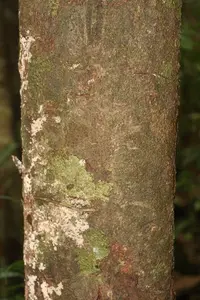
Stake young plants early and lightly tie the main stem to a sturdy support so it develops a straight trunk that can handle the weight of future branches and pods.

Wind and shade shelter

Use temporary windbreaks or plant near taller, non-competing vegetation to protect soft young growth from strong winds and harsh afternoon sun while the canopy establishes.

Understory companion planting

Grow low, shallow-rooted groundcovers that tolerate shade under the tree to help conserve soil moisture, reduce weed pressure, and keep surface roots cooler.

Mulch management strategy

Maintain a 5–8 cm ring of coarse organic mulch over the root zone but keep a clear 5–8 cm gap around the trunk base to prevent stem rot and rodent damage.

Gradual acclimation outdoors

When moving container-grown plants from a protected area to an outdoor or field site, harden them off over 10–14 days by slowly increasing light, wind exposure, and temperature variation to reduce transplant shock when growing Theobroma subincanum.

Common Pests and Diseases

mirid capsid bugs

This pest feeds on young shoots, flowers, and small pods, causing pits, blemishes, and distortion that can reduce fruit quality and yield.

Solution

Collect and destroy heavily infested young pods and shoots, keep the area under trees free of weeds and fallen debris that shelter bugs, and use fine mesh bags on developing pods where feasible; in larger plantings, targeted contact insecticides based on pyrethrins or neem can be applied in the evening, following label directions and avoiding spray during flowering to protect pollinators.

cocoa pod borer

This pest is a moth whose larvae bore into developing pods, where feeding causes premature yellowing, internal browning, and malformed or empty seeds.

Solution

Remove and destroy all infested and prematurely yellow pods, harvest pods promptly at maturity, and avoid leaving old pods on the tree or ground; in more serious cases, use pod sleeves or bags as a physical barrier and install light traps or pheromone traps to monitor and lower adult moth populations.

witches’ broom

This disease is caused by a fungus that induces abnormal clusters of shoots, thickened stems, and deformed flowers or pods, leading to reduced vigor and yield.

Solution

Prune out all brooms and malformed pods back into healthy wood during dry weather, remove and destroy the prunings away from the planting area, maintain good spacing and airflow around trees, and, in humid regions, combine sanitation with regionally recommended resistant planting material when available as part of broader Theobroma subincanum care instructions.

black pod rot

This disease is a Phytophthora infection that attacks pods, starting as brown to black lesions that expand rapidly, often covered by a fine white fungal growth in humid conditions.

Solution

Harvest pods as soon as they are ripe, promptly remove and destroy all infected pods, keep the area around trunks clean and well drained, avoid overhead irrigation that wets pods for long periods, and when disease pressure is high, apply copper-based fungicides preventively during wet seasons according to local guidelines.

Interesting Facts

Closely related to cacao

This species belongs to the same genus as Theobroma cacao, the source of chocolate, and produces similar pulpy pods with seeds, though they are not used commercially for chocolate production.

Amazon floodplain specialist

The plant is native to lowland Amazonian forests and is often associated with riverine and floodplain habitats, where it tolerates periodic high soil moisture and humid air.

Edible aromatic pulp

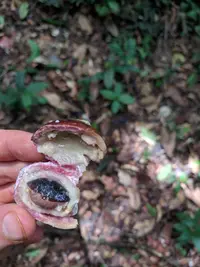
The fleshy white pulp around the seeds is locally consumed fresh in parts of its native range and is noted for a sweet, aromatic flavor that attracts both humans and wildlife.

Botan icon

Did you know?

In its native Amazonian range, this tree plays a role in wildlife ecology by providing seasonal food for mammals and birds that feed on the sweet pulp and help disperse its large seeds across the forest.

FAQs about Theobroma subincanum

Growth is moderately fast in warm, humid, frost-free climates, especially with consistent moisture and fertile soil. Young trees may add 30–60 cm per year, slowing as they mature and canopy and root systems expand.

Grow Healthy Plants with Botan Care

Keep your plants happy and healthy with plant identification, disease detection, and easy care guidance.

Botan plant care app — identify plants on mobile

Explore More Plants