Succession sowing
Sow small batches every 2–3 weeks in early spring and late summer so roots and greens mature in stages instead of all at once, keeping quality high and harvests continuous.

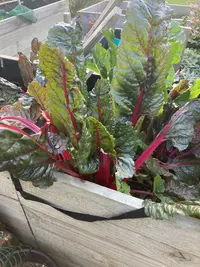
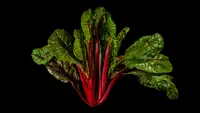
Beta vulgaris var. vulgaris is the common beet, a cool-season root crop grown for its swollen, rounded taproot and leafy tops. Plants form a low rosette of leaves and a fleshy underground root in shades of red, golden, or white, depending on the cultivar.
This species originates from coastal regions of Europe and western Asia but is now widely cultivated in gardens and farms worldwide. It is generally straightforward to grow, as long as soil is loose and fertile and moisture is consistent.
Understanding how to care for Beta vulgaris var. vulgaris starts with providing full sun, regular watering, and well-drained soil that does not compact around the developing roots.

Care Difficulty
Moderate Care

Light Preference
Full Sun

Water Requirements
Regular Water

Temperature Preference
Cool Climate

Hardiness Zone
2–10

Soil Texture
Sandy, Loamy, Silty

Soil pH
Acidic (5.5–6.5), Slightly acidic (6.5–7.0)

Soil Drainage
Moist but well-drained

Fertilization
Moderate (every 2–4 weeks)
Scan your plant to receive care tips personalized for your specific plant
Available on iOS and Android
This crop grows best in full sun but can handle some light shade, especially in warmer regions.
Consistent, moderate soil moisture supports even root development and reduces splitting.
Cool conditions favor strong root formation and steady leaf growth for this crop.
Humidity is generally not a limiting factor for Beta vulgaris var. vulgaris, which tolerates typical outdoor ranges in temperate climates.
Soil preparation for Beta vulgaris var. vulgaris should prioritize loose texture, steady moisture, and freedom from compaction or waterlogging.
This species is suitable for container growing when the pot is sized and managed to support its taproot and moisture needs.
This crop benefits from moderate feeding to support steady leaf and root production.
Pruning needs for Beta vulgaris var. vulgaris are minimal and focus on hygiene rather than shaping.
This plant is usually grown as an outdoor crop, so transplanting timing and technique matter more than container repotting.
This species is commonly propagated from seed rather than cuttings or division.
In many regions this crop is cool-season and fairly cold tolerant, needing only light winter attention outdoors.

Plant Health Check
Not sure what's wrong with your plant? Check your plant's health inside the app.
This beet variety was first domesticated around the Mediterranean, where early forms were grown mainly for their leaves, and only later selected for the enlarged, sweet storage root used today as table beet.
Its red and yellow pigments come from betalains, a group of nitrogen-containing compounds that replace anthocyanins in the beet family and are used as natural food colorants labeled in many countries as E162.
The common garden beet and the modern sugar beet belong to the same species and can cross, which allowed breeders to develop sugar beet lines with very high sucrose content from ancestral fodder and table beets.

The earthy flavor typical of table beets largely comes from a compound called geosmin, the same molecule produced by soil-dwelling bacteria that gives wet soil its characteristic smell after rain.
Yes. The swollen roots and leafy tops are both edible and widely used as vegetables. Roots are commonly boiled, roasted, or pickled, while leaves are cooked like chard or spinach and provide useful vitamins, minerals, and fiber.
Keep your plants happy and healthy with plant identification, disease detection, and easy care guidance.