Staggered Succession Sowing
Sow small batches every 2–3 weeks in spring and early fall so older plants can be harvested heavily while younger plants mature, keeping leaf quality high and reducing stress on any single planting.

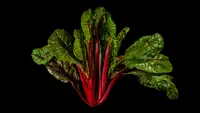
Swiss chard, Beta vulgaris var. flavescens, is a leafy vegetable grown for its large, tender leaves and colorful, fleshy stems. It is a form of cultivated beet selected for foliage rather than roots.
Plants form an upright rosette and can reach a substantial size, with crinkled green leaves on white, yellow, pink, or red stalks. This crop originated around the Mediterranean and is now widely grown in temperate gardens.
Swiss chard is generally easy to grow, with fast growth, good cut-and-come-again regrowth, and tolerance of mild cold. It prefers sun, consistent moisture, and fertile, well-drained soil, which makes it straightforward to care for Swiss Chard in kitchen gardens and raised beds.

Care Difficulty
Moderate Care

Light Preference
Full Sun

Water Requirements
Regular Water

Temperature Preference
Cool Climate

Hardiness Zone
2–11

Soil Texture
Loamy, Sandy, Organic-rich

Soil pH
Acidic (5.5–6.5), Slightly acidic (6.5–7.0)

Soil Drainage
Moist but well-drained

Fertilization
Moderate (every 2–4 weeks)
Scan your plant to receive care tips personalized for your specific plant
Available on iOS and Android
This leafy crop grows best with full sun but tolerates some light shade in hot regions.
This plant prefers steadily moist, well-drained soil without long dry spells or standing water.
This cool-season crop grows best in mild temperatures and tolerates light frost once established.
This leafy crop tolerates a wide humidity range and rarely needs special adjustment outdoors.
This plant prefers deep, loose, moisture-retentive but well-drained soil for strong root and leaf development.
This species is well suited to container growing for compact garden spaces and patios.
This leafy crop benefits from modest, consistent nutrition during the main growing season.
Pruning Beta vulgaris var. flavescens focuses on leaf removal rather than structural shaping.
This plant is usually grown as an annual vegetable and is more often transplanted in beds or large containers than repotted long term.
This crop is most commonly propagated from seed rather than vegetative methods.
This cool-season vegetable tolerates light frost but needs planning in colder climates for winter survival or extended harvest.

Plant Health Check
Not sure what's wrong with your plant? Check your plant's health inside the app.
Swiss chard has large, thin leaf blades with prominent reticulate veins that support high photosynthetic activity, which is why the plant can regrow foliage repeatedly after cutting.
The bright red, yellow, pink, or white stalks result from different betalain pigments concentrated in the petioles and midribs, and these color variants belong to the same species rather than being separate plants.
Swiss chard and beetroot are domesticated forms of the same species, Beta vulgaris, but chard was bred for expanded, tender leaves and petioles instead of a swollen storage root.

Historical evidence suggests that leafy forms of Beta vulgaris similar to modern Swiss chard were already cultivated around the Mediterranean in classical antiquity, where they were valued as a reliable cool-season vegetable long before root beets became common.
Yellowing leaves often result from nutrient deficiency, especially nitrogen or magnesium, or from water stress and poor drainage. Check soil moisture, improve drainage, and consider a balanced fertilizer to support healthy foliage and steady growth.
Keep your plants happy and healthy with plant identification, disease detection, and easy care guidance.