Ogeechee tupelo Care (Nyssa ogeche)

Also known as: White Tupelo, River Lime
Ogeechee tupelo

About Ogeechee tupelo

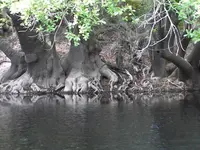
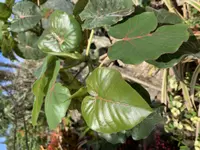
Ogeechee tupelo (Nyssa ogeche) is a slow- to moderate-growing deciduous tree native to wetlands and river floodplains of the southeastern United States. It naturally forms an open crown with short trunk and spreading branches.

Leaves are simple, glossy green, and turn yellow to orange-red in autumn. In spring it produces small flowers that are important for tupelo honey production, followed by elongated, sour, olive-like fruits.

This species prefers consistently moist to wet, acidic soils and full sun to light shade. Its need for stable moisture and suitable soil makes site selection the most important factor in how to care for Ogeechee tupelo.


Main Plant Requirements

Care Difficulty

Moderate Care

Light Preference

Full Sun

Water Requirements

Aquatic

Temperature Preference

Cold Hardy

Hardiness Zone

6–9

Soil Texture

Loamy, Clay, Organic-rich

Soil pH

Strongly acidic (4.5–5.5), Acidic (5.5–6.5)

Soil Drainage

Waterlogged tolerant

Fertilization

Minimal (feed rarely)

Get Personalized Care Plan

Scan your plant to receive care tips personalized for your specific plant

Available on iOS and Android

How to Care for the Ogeechee tupelo

This wetland tree thrives with consistent sun exposure tailored to its natural floodplain habitat.

  • Provide 6–8 hours of direct sun daily, ideally full morning sun with some light afternoon shade in hotter regions to reduce leaf scorch.
  • Tolerates light to moderate partial shade (about 3–4 hours direct sun), but Ogeechee tupelo will develop denser crowns and better fall color in brighter sites.
  • Avoid deep shade, which leads to sparse branching and weak growth; in hot summers, use nearby taller trees for dappled light during peak midday sun.

This species is adapted to moist, even seasonally flooded soils and does poorly if allowed to dry out deeply.

  • Maintain consistently moist soil; in the ground, aim for soil that never dries more than the top 2–5 cm, especially during the first 2–3 establishment years.
  • Choose sites with slow-draining, loamy or silty soil, swales, or pond edges; Nyssa ogeche tolerates periodic standing water better than extended drought.
  • Watch leaves for cues: wilting, browning edges, and early drop suggest underwatering, while yellowing leaves and soft, blackening roots indicate chronic saturation without oxygen.

This deciduous tree prefers warm, humid climates with cool winters and moderate summers.

  • Supports vigorous growth at 70–85°F (21–29°C) during the growing season, with adequate soil moisture helping it tolerate short heat spells up to about 95°F (35°C).
  • Cold hardy to roughly 0–5°F (-18 to -15°C) once established; young trees are more vulnerable and benefit from sheltered sites away from drying winter winds.
  • Accepts normal seasonal fluctuations, but sudden late-spring frosts after bud break can damage new growth, while prolonged extreme heat with dry soil can cause leaf scorch and stress.

This swamp-adapted tree prefers consistently moist air but tolerates a wide humidity range outdoors.

  • Aim for 50–80% humidity in outdoor or boggy sites, matching its native wetland conditions.
  • Dry, hot winds can desiccate foliage; leaf edges may brown or curl when humidity stays low.
  • Increase local humidity by planting near ponds, streams, or rain gardens, or by using dense companion planting as a windbreak.

Nyssa ogeche thrives in saturated, acidic, organically rich soils that stay wet without becoming stagnant indoors or in containers.

  • Choose a deep, loamy soil with high organic matter, such as a mix of 50–70% composted bark or leaf mold with native soil or peat-based mix.
  • Ensure slow drainage rather than fast runoff; soil should stay consistently moist to wet, tolerating seasonal flooding without roots drying out.
  • Maintain an acidic pH around 4.5–6.0; incorporate pine bark fines, peat moss, or sulfur-amended compost to lower pH where needed.
  • Avoid compacted clay without amendment, alkaline soils, and sharply draining sandy mixes that allow water to escape and leave roots dry.

This species can be grown in large containers only as a temporary or specialized option due to its eventual size and water needs.

  • Use a tall, heavy container to counterbalance the developing canopy and to hold a deep, moisture-retentive root zone.
  • Select thick-walled or non-porous pots that slow evaporation, which helps keep the consistently wet conditions this tree prefers.
  • Stand the container in a shallow, non-sealed tray or decorative outer pot that can hold extra water without fully submerging the drainage holes.

Nutrient needs for Ogeechee tupelo are modest, especially in fertile, moist soils.

  • Use a balanced, slow-release NPK fertilizer or well-rotted compost on young or container-grown trees in early spring.
  • Apply once per year during the active growing season if growth appears weak or foliage pale.
  • Always use at half the label rate to avoid salt buildup and root burn.
  • Avoid feeding in late fall or winter, when the tree is dormant and not actively using nutrients.

Nyssa ogeche benefits from light, targeted pruning to maintain structure and remove problem wood.

  • Carry out structural pruning in late winter to early spring before leaf-out.
  • Remove dead, diseased, or crossing branches first, then thin crowded interior twigs to improve airflow.
  • Limit heading cuts and maintain the natural form, as heavy shaping can reduce flowering and stress the tree.
  • Use sharp, clean bypass pruners or a pruning saw, making smooth cuts just outside the branch collar.

This species is usually field-grown, so care focuses on safe transplanting rather than routine repotting.

  • Transplant young Nyssa ogeche trees in late winter or very early spring while still dormant.
  • Look for circling roots, stunted growth, or the trunk outgrowing its container as signs a nursery plant needs shifting up.
  • Dig a wide planting hole, keep the root ball intact, and set the root flare at soil level to limit stress.
  • Water deeply, mulch 5–8 cm around (not against) the trunk, and maintain consistent soil moisture during the first 1–2 growing seasons.

Propagation of Nyssa ogeche is typically done by seed, which requires patience and specific conditions.

  • Collect ripe fruits in fall, clean off pulp, and stratify seeds cold and moist for 60–90 days.
  • Sow in a deep tray or pots with a free-draining, slightly acidic mix and keep evenly moist.
  • Provide bright, indirect light and temperatures around 65–75°F for germination and early growth.
  • Transplant seedlings gently once several true leaves develop, avoiding disturbance of the young taproot.

Mature Nyssa ogeche trees are fairly cold hardy in much of the southeastern US and need limited winter care.

  • Apply 5–8 cm of organic mulch over the root zone in late fall, keeping it away from the trunk base.
  • Newly planted or young trees benefit from extra watering before the ground freezes to avoid winter drought stress.
  • Container-grown specimens in colder areas should be moved to a sheltered, frost-free but cool location until spring.

Care Tips

Flood‑tolerant siting

When planting near ponds or waterways, place trees where they will experience periodic flooding but not constant submersion, as intermittent high water supports strong root development while reducing stress from prolonged anoxia (lack of oxygen).

Wind‑firm training

In exposed sites, install a single low stake for the first 1–2 years and remove it once the trunk thickens so the tree flexes in the wind and develops a strong, tapered trunk instead of a weak, permanently staked form.

Pollination planning

For reliable fruit set, establish at least 2–3 genetically different trees within 15–30 m to support insect cross‑pollination, and avoid using insecticides during bloom to protect bees and native pollinators.

Seasonal flood management

In managed landscapes with adjustable water levels, allow higher water during late spring and summer when growth is active, then gradually lower levels in late fall to prevent ice damage and reduce stress to lower trunks and roots.

Mulch for shallow roots

Apply a wide, 5–8 cm deep ring of coarse organic mulch out to the dripline, keeping it 8–10 cm away from the trunk, to protect the tree’s shallow feeder roots from mechanical damage and moisture swings when caring for Ogeechee tupelo.

Common Pests and Diseases

Tupelo leafminer

This pest feeds inside the leaf tissue, creating pale, winding tunnels and causing premature leaf drop on stressed trees. Damage is usually cosmetic but can reduce vigor in young or newly planted trees.

Solution

Prune and destroy heavily infested leaves in spring to reduce the next generation, and encourage natural predators by avoiding broad-spectrum insecticides. For severe, repeated attacks on young trees, a targeted systemic insecticide labeled for leafminers can be applied at budbreak according to local extension guidance as part of broader Nyssa ogeche care instructions.

Cottony scale

These insects settle on twigs and branches, producing white, cotton-like masses and sticky honeydew that can lead to sooty mold on leaves and bark. Heavy infestations can cause twig dieback and general decline.

Solution

Prune out and discard heavily infested small branches, and gently scrub accessible colonies with a soft brush and soapy water. During the crawler stage, apply a horticultural oil or insecticidal soap thoroughly to the bark and undersides of branches, following label directions and avoiding application during high heat.

Trunk and branch canker

This disease causes sunken, discolored lesions on branches or trunk, sometimes with oozing sap and dieback of affected limbs. Symptoms include sparse foliage above the canker and increased vulnerability in drought- or flood-stressed trees.

Solution

Remove and destroy affected branches by cutting 10–15 cm below visible symptoms during dry weather, and disinfect pruning tools between cuts with alcohol or a 10% bleach solution. Improve overall tree vigor by maintaining even soil moisture, avoiding trunk injury from mowers or string trimmers, and reducing prolonged flooding where possible.

Leaf spot complex

This disease group includes several fungi that cause small brown to purplish spots on leaves, sometimes with yellow halos and early leaf drop in late summer. Symptoms include scattered spotting that may coalesce into larger blotches under warm, wet conditions.

Solution

Rake and remove fallen leaves in autumn to lower the amount of overwintering spores, and avoid overhead irrigation that keeps foliage wet for many hours. In high-value landscape trees with recurring severe defoliation, a preventive fungicide spray at leaf-out and again during prolonged wet periods may be considered after consultation with a local arborist or extension service.

Ambrosia beetles

These insects bore into stressed or newly transplanted trees, leaving tiny holes and sometimes toothpick-like strands of frass on the trunk or branches. Internal tunneling disrupts water flow and can rapidly kill small trees or major limbs.

Solution

Monitor trunks of young or stressed trees for fresh boring dust in early spring, and remove and destroy heavily infested young trees that cannot recover. Reduce susceptibility by avoiding mechanical trunk injury, preventing prolonged soil saturation, and using protective trunk wraps or targeted trunk sprays labeled for ambrosia beetles during peak flight periods if the site has a history of attacks.

Interesting Facts

Specialized bee partnership

The flowers are a primary spring nectar source for the specialist bee Dieunomia heteropoda, which times its life cycle to the tree’s bloom period in southeastern US wetlands.

Floodplain habitat specialist

This species is naturally restricted to freshwater floodplains, blackwater streams, and swamps along the coastal plain of the southeastern United States, where it tolerates long periods of saturated or even standing water.

Distinctive sour fruits

The tree produces elongated, bright red, sour drupes that are relished by waterfowl and other wildlife and have historically been used for tart beverages and flavorings in parts of its native range.

Botan icon

Did you know?

Ogeechee tupelo honey, produced when bees forage primarily on this species, is highly valued for its light color, smooth texture, and unusually slow crystallization, making it one of the most distinctive monofloral honeys from North American wetlands.

FAQs about Ogeechee tupelo

This species grows slowly to moderately, often adding 20–30 cm per year in good conditions. It commonly needs 15–25 years to develop a significant canopy and may take several decades to approach full mature size.

Grow Healthy Plants with Botan Care

Keep your plants happy and healthy with plant identification, disease detection, and easy care guidance.

Botan plant care app — identify plants on mobile

Explore More Plants