Root zone protection
Maintain a wide mulch ring 5–10 cm deep, kept 10–15 cm away from the trunk, to buffer soil temperature, conserve moisture, and protect the spreading root system from lawn equipment damage.


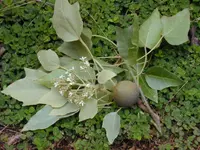
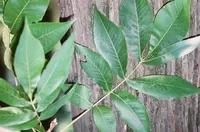
Sand hickory, Carya pallida, is a medium to large deciduous tree in the walnut family, valued for its strong wood and wildlife-friendly nuts. It typically has an upright, open crown with narrow leaflets and pale, peeling bark that gives the species its name.
This species is native to dry upland sites in the southeastern United States, often growing on sandy or rocky ridges. It is slow to moderate in growth and long-lived, so it suits spacious landscapes rather than small gardens.
Sand hickory prefers full sun, well-drained, slightly acidic soils, and tolerates drought once established. Those learning how to care for sand hickory should focus on giving it enough space, light, and uncompact, well-drained soil from the start.

Care Difficulty
Moderate Care

Light Preference
Full Sun

Water Requirements
Low Water

Temperature Preference
Cold Hardy

Hardiness Zone
5–9

Soil Texture
Sandy, Loamy, Rocky

Soil pH
Acidic (5.5–6.5), Slightly acidic (6.5–7.0)

Soil Drainage
Well-drained

Fertilization
Minimal (feed rarely)
Scan your plant to receive care tips personalized for your specific plant
Available on iOS and Android
Carya pallida grows best in open, bright conditions similar to its native dry woodland and sandhill habitats.
This species is adapted to dry, sandy sites and prefers deep, infrequent watering once established.
This hickory is a cold-hardy, heat-tolerant tree suited to continental and warm-temperate climates.
Humidity is not a major factor for sand hickory, which is adapted to dry, upland sites.
Carya pallida thrives in dry, well-aerated mineral soils that do not stay wet after rain.
This species is not well suited to long-term container growing due to its strong taproot and eventual size.
Carya pallida is a slow-growing native tree that usually needs little to no fertilizer in average garden or natural soils.
Carya pallida benefits from light structural pruning to maintain a healthy, stable canopy.
This species is best established directly in the ground; transplant young Carya pallida carefully to avoid taproot damage.
Carya pallida is usually propagated from seed, with techniques focused on overcoming hard seed dormancy.
This temperate, cold-hardy hickory generally needs minimal winter care once established in the landscape.

Plant Health Check
Not sure what's wrong with your plant? Check your plant's health inside the app.
This species naturally occurs on dry, sandy ridges and develops a deep taproot with spreading laterals that allow it to access moisture in very drought-prone soils.
The common name sand hickory refers to the pale, scurfy (flaky) scales on young twigs and leaf undersides, which give the foliage a noticeably lighter, somewhat silvery cast compared with many other hickories.
Sand hickory serves as a host plant for several specialist moth and butterfly larvae, including some that feed almost exclusively on Carya species, making it an important component of oak–hickory and sandhill ecosystems.

Unlike many nut-producing trees in its range, sand hickory often forms scattered, low-density populations on dry upland sites, so its oily, edible nuts are a relatively minor wildlife food source compared with those of more abundant Carya species such as shagbark and pignut hickory.
This tree grows slowly to moderately, usually around 20–30 cm per year once established. Growth is faster in deep, well-drained, slightly acidic soils and full sun, and slower on compacted or poorly drained sites.
Keep your plants happy and healthy with plant identification, disease detection, and easy care guidance.