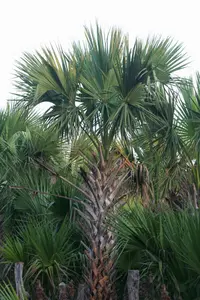
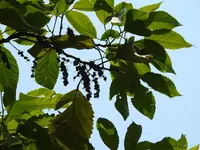
Titoki Care (Alectryon excelsus)

Titoki

About Titoki

Titoki, Alectryon excelsus, is an evergreen tree native to lowland forests and coastal areas of New Zealand. It is valued as a landscape and street tree in mild climates. The tree has glossy, deep green, leathery leaves and a rounded to spreading crown, giving dense shade when mature. Small, inconspicuous flowers are followed by showy red seed pods that reveal shiny black seeds, adding seasonal interest. Growth is moderate and generally sturdy, which makes it relatively straightforward to establish in suitable conditions. It prefers mild, frost-free locations, reasonably fertile, well-drained soil, and regular moisture while young. Once its needs are understood, it is not difficult to care for Titoki.

Main Plant Requirements

Care Difficulty

Moderate Care

Light Preference

Full Sun

Water Requirements

Moderate Water

Temperature Preference

Warm Climate

Hardiness Zone

9–11

Soil Texture

Sandy, Loamy, Organic-rich

Soil pH

Slightly acidic (6.5–7.0), Neutral (7.0)

Soil Drainage

Well-drained

Fertilization

Minimal (feed rarely)

Get Personalized Care Plan

Scan your plant to receive care tips personalized for your specific plant

Available on iOS and Android

How to Care for the Titoki

Alectryon excelsus grows best in bright, open positions with some protection from harsh afternoon sun.

  • Aim for 4–6 hours of direct morning sun, with light or dappled shade in the afternoon, especially in hotter regions.
  • The tree tolerates light to moderate partial shade but becomes sparser and slower-growing if light drops below about 3–4 sun hours daily.
  • Strong, all-day summer sun can scorch young Titoki foliage; use temporary shade or nearby taller plants to filter light in the first 2–3 years.

Alectryon excelsus prefers evenly moist, well-drained soil and becomes more drought-tolerant as it matures.

  • For young trees, water when the top 4–6 cm of soil feels dry, applying a slow, deep soak that wets the top 20–30 cm of soil profile.
  • In summer dry spells, increase frequency, watching for slight leaf droop or dulling color as early signs of thirst, then water within 24 hours.
  • Reduce watering in cool or rainy seasons, and avoid soggy soil; yellowing leaves, soft stems, or sour soil smell indicate overwatering and poor drainage.

This species prefers mild, frost-free climates with only moderate heat and cold extremes.

  • Optimal growth occurs around 60–77°F (16–25°C), with steady development and good canopy density in these conditions.
  • Mature trees tolerate brief drops to about 25°F (−4°C), but young plants can suffer leaf burn or dieback below 30°F (−1°C) and need frost protection.
  • In hot areas, sustained temperatures above 90°F (32°C) combined with dry winds can stress foliage, so provide mulch and avoid planting in heat-reflective spots.

This coastal tree tolerates a wide humidity range but prefers moderately moist air.

  • Aim for 40–60% humidity to support steady growth of Titoki foliage.
  • The plant copes with short dry spells but prolonged air below 30% can cause leaf tip browning and marginal crisping.
  • Increase humidity with nearby water trays or grouped plants rather than frequent misting, which adds little lasting moisture.

Alectryon excelsus prefers deep, well-drained, moderately fertile soil that does not stay waterlogged.

  • Use a loamy mix with some sand and compost so the soil holds nutrients yet drains freely.
  • Ensure strong drainage by avoiding heavy clay; if needed, improve structure with coarse sand, fine gravel, and bark chips.
  • Target a slightly acidic to neutral pH of about 6.0–7.0, avoiding very alkaline conditions that can limit nutrient uptake.
  • Maintain loose, aerated soil by keeping organic matter moderate rather than excessive, which can cause compaction when wet.

This species can be grown in containers when young or kept small, provided the pot is chosen and managed carefully.

  • Select a deep, heavy container that resists wind tipping as the woody canopy becomes denser.
  • Leave a clear layer of coarse material above drainage holes to prevent mix clogging without creating a perched water table.
  • Choose a slightly porous pot material such as unglazed clay if outdoor conditions are cool and moist, to reduce excess water retention.

Alectryon excelsus responds well to modest feeding when grown in gardens or containers, though established trees on good soil often need little added nutrition.

  • Use a balanced slow-release fertilizer or compost in early spring to support steady growth.
  • Apply fertilizer 1–2 times during the growing season, keeping granules away from the trunk or stem.
  • Reduce or stop feeding in late fall and winter when growth slows.
  • Use about half the label rate for young Titoki or potted plants to avoid root burn.

Pruning Alectryon excelsus is mainly needed to remove problem wood and guide a strong, safe structure.

  • Carry out light structural pruning in late winter or early spring before vigorous new growth.
  • Remove dead, damaged, crossing, or crowded branches to improve airflow and light penetration.
  • Shorten or thin long, leaning limbs to maintain a balanced canopy and desired tree shape.
  • Use clean, sharp hand pruners or a pruning saw, making smooth cuts just outside the branch collar.

This species is usually grown in the ground, so focus on careful transplanting from nursery containers into a permanent site.

  • Transplant in late winter or early spring when conditions are cool and soil is workable.
  • Look for roots circling the container or emerging from drainage holes as a sign the tree is ready to move.
  • Loosen or lightly tease circling roots before planting, then set the rootball at the same depth as in the pot.
  • Water deeply after planting, keep soil evenly moist for the first season, and apply mulch to reduce root stress.

Propagation of Alectryon excelsus is usually done from seed and is somewhat slow but reliable with the right conditions.

  • Collect ripe seed from mature fruit, clean off flesh, and sow fresh for best germination.
  • Sow in late winter to early spring in a free-draining seed mix kept just moist, not wet.
  • Provide warm conditions around 68–75°F and bright, indirect light to support steady germination.
  • Semi-hardwood cuttings are possible under high humidity and bottom heat, but success rates are often lower than with seed.

This tree is moderately frost-tolerant in mild climates and often needs only basic winter care once established.

  • In regions with colder winters, mulch 5–8 cm around the root zone, keeping mulch away from the trunk.
  • Young or potted plants are more frost-sensitive and benefit from a sheltered, north- or east-facing position.
  • Move container plants indoors or into a cool greenhouse when hard frosts below about 25°F are expected.

Care Tips

Wind-hardening young trees

Stake young plants only loosely and gradually reduce ties over 12–18 months so trunks flex in the wind and develop strong taper rather than remaining weak and top-heavy.


Root-zone mulching

Maintain a 5–8 cm ring of coarse organic mulch over the root zone, kept 5–10 cm away from the trunk, to stabilize soil moisture and temperature and reduce weed competition without risking collar rot.

Branch structure training

In the first 3–5 years, selectively retain well-spaced scaffold branches with wide angles and remove steep, rubbing, or crossing shoots to build a stable canopy that resists storm damage later.

Urban soil decompaction

In compacted sites, use a soil auger or narrow spade to create vertical holes 20–30 cm deep in a grid around the drip line, then backfill with the existing soil mixed lightly with compost to improve aeration and root penetration.

Salt and spray management

In coastal or roadside locations, hose foliage with fresh water after salt-laden winds or de-icing spray drift and apply a fresh mulch layer to protect surface roots, which is important when growing Titoki near exposed pavements or roads.

Common Pests and Diseases

Scale insects

This pest feeds on sap along young stems and leaves, often causing sooty mold to develop on the honeydew they excrete and leaving foliage dull and weakened.

Solution

Prune and dispose of heavily infested twigs, then wipe remaining colonies with a cotton pad dipped in isopropyl alcohol or a mild horticultural oil solution; for larger trees, a targeted horticultural oil spray during the crawler stage combined with improved plant vigor is usually effective for Alectryon excelsus care.

Myrtle rust

This disease causes bright yellow powdery spores on young leaves, shoots, and sometimes fruit, leading to leaf distortion, dieback of new growth, and in severe cases branch decline.

Solution

Promptly remove and bag affected leaves and shoots without shaking spores, avoid overhead watering, and if the disease is present in the region follow local biosecurity guidance and use an appropriate fungicide registered for myrtle rust on ornamental trees where regulations allow.

Leaf spot fungi

This disease produces scattered brown or dark purple spots on leaves, sometimes with yellow halos, which can merge and cause premature leaf drop in humid or shaded conditions.

Solution

Rake and dispose of fallen leaves, thin nearby vegetation to improve airflow and light, avoid wetting foliage late in the day, and in persistent cases apply a copper-based or other registered ornamental fungicide according to label directions.

Passionvine hopper

These insects feed on sap from young shoots and leaves, excreting honeydew that promotes sooty mold and can reduce growth and overall vigor in warm climates.

Solution

Prune out egg-laden stems in winter if visible, wash off nymphs with a firm jet of water where practical, encourage natural predators, and if needed use a targeted insecticidal soap or horticultural oil on early nymph stages before they disperse.

Interesting Facts

Endemic New Zealand tree

This species occurs naturally only in New Zealand, where it is a characteristic component of lowland and coastal forests on the North Island and parts of the northern South Island.

Fleshy aril for birds

The black seed is surrounded by a bright red, fleshy aril that is not a true fruit but a seed covering that attracts birds, which then disperse the seeds after feeding.

Compound, leathery foliage

Its leaves are usually pinnate, with several leathery leaflets that help reduce water loss and withstand wind and salt exposure in coastal habitats.

Botan icon

Did you know?

In traditional Māori culture, titoki oil was carefully extracted from the seeds and used as a high-quality cosmetic and lamp oil, making the tree an important resource plant despite its relatively limited timber use.

FAQs about Titoki

Growth is moderate rather than fast. Young plants often add 20–40 cm per year in suitable conditions, slowing as they mature. Rate depends on climate, soil fertility, moisture, and shelter from strong wind exposure.

Grow Healthy Plants with Botan Care

Keep your plants happy and healthy with plant identification, disease detection, and easy care guidance.

Botan plant care app — identify plants on mobile

Explore More Plants