


Wind-hardening seedlings
If starting young palms in a sheltered spot, gradually expose them to stronger wind over several weeks so they develop sturdier trunks and petioles that better tolerate storms once planted out.

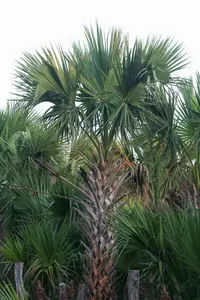
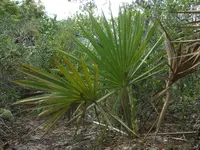
Rio Grande palmetto (Sabal mexicana) is a large, fan-leaved palm tree native to the lower Rio Grande Valley and parts of Mexico. It forms a stout trunk topped with a dense crown of broad, blue-green fronds.
In suitable climates, it grows slowly to become a tall, long-lived landscape specimen with a naturally tidy, upright habit. The plant tolerates heat, coastal conditions, and seasonal drought once established, which makes it relatively low-maintenance in the right region.
It prefers full sun, moderate moisture, and well-drained soil, and it is best suited to warm, frost-free areas. Understanding how to care for Rio Grande palmetto starts with providing enough light and avoiding prolonged cold or waterlogged roots.

Care Difficulty
Easy Care

Light Preference
Full Sun

Water Requirements
Moderate Water

Temperature Preference
Warm Climate

Hardiness Zone
8–11

Soil Texture
Sandy, Loamy, Clay

Soil pH
Slightly acidic (6.5–7.0), Slightly alkaline (7.0–7.5)

Soil Drainage
Moist but well-drained

Fertilization
Minimal (feed rarely)
Scan your plant to receive care tips personalized for your specific plant
Available on iOS and Android
This palm prefers bright outdoor conditions with a balance of direct sun and partial shade.
This species prefers deep, infrequent watering that allows the soil surface to dry slightly between soakings.
This hardy palm tolerates a wide thermal range but grows best in warm, frost-free conditions.
This palm handles a wide humidity range and usually does not need special humidity management indoors or outdoors.
Sabal mexicana prefers deep, well-drained mineral soils but adapts to a range of textures if drainage is not restricted.
This species can be grown in containers for many years, especially in its juvenile stages.
This palm grows well in lean soils but benefits from light feeding in containers or nutrient-poor sites.
Sabal mexicana needs minimal pruning, mainly to remove old fronds and maintain a clean trunk base.
This palm is usually grown in the ground and resents frequent disturbance, so transplant only when necessary.
New Sabal mexicana plants are almost always raised from seed, since vegetative methods are not practical.
Mature Sabal mexicana is quite cold hardy, so established plants in suitable climates usually need little winter care.

Plant Health Check
Not sure what's wrong with your plant? Check your plant's health inside the app.
This palm is native to the lower Rio Grande Valley of Texas and northeastern Mexico, where it grows naturally in floodplains, river terraces, and coastal plains with seasonal inundation.
Compared with many subtropical palms, this species tolerates occasional light freezes and short drops below 20°F once established, which helps explain its use in marginal palm-growing regions of the southern United States.
The bluish-black fruits are eaten by birds and mammals, which help disperse the seeds across riparian habitats and nearby uplands.

This species forms the core of one of the rarest forest types in the United States, the native sabal palm groves of the lower Rio Grande Valley in Texas, which have been reduced to small remnants by agriculture and urban development.
Growth is slow to moderate. Young plants often add only 15–30 cm of trunk per year in suitable climates, sometimes less. Establishment can take several years before noticeable trunk height increases become consistent.
Keep your plants happy and healthy with plant identification, disease detection, and easy care guidance.

-200x133.webp)