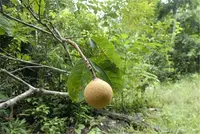
beet Care (Beta trigyna)

Also known as: Caucasian Beet
beet

About beet

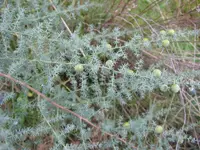
Beta trigyna is a herbaceous flowering plant in the amaranth family, related to common beet crops. It typically forms upright to slightly sprawling stems with simple, green leaves and small clustered flowers.

This species is native to parts of the eastern Mediterranean and western Asia, where it often grows in open, sunny sites and disturbed ground. It has a relatively resilient growth habit but is less commonly cultivated than edible beet varieties, so practical information on how to care for beet of this species is limited.

In general, it favors well-drained soil, moderate moisture, and good light, similar to other Beta species, which can make it manageable for growers familiar with beets.

Main Plant Requirements

Care Difficulty

Moderate Care

Light Preference

Full Sun

Water Requirements

Moderate Water

Temperature Preference

Warm Climate

Hardiness Zone

8–10

Soil Texture

Loamy, Sandy, Organic-rich

Soil pH

Slightly acidic (6.5–7.0), Neutral (7.0)

Soil Drainage

Well-drained

Fertilization

Minimal (feed rarely)

Get Personalized Care Plan

Scan your plant to receive care tips personalized for your specific plant

Available on iOS and Android

How to Care for the beet

Beta trigyna grows best in bright, open conditions with some protection from the strongest midday sun.

  • Aim for 6–8 hours of direct sun daily, ideally with morning sun and light afternoon shade in hotter regions.
  • Plant in a site that receives full sun in spring and fall, accepting light partial shade (2–3 hours) in summer to reduce stress.
  • Watch leaves for signs of stress: scorched, crispy edges indicate too much intense sun; elongated, pale growth indicates insufficient light.

Beta trigyna prefers evenly moist, well-drained soil rather than constant saturation.

  • Water when the top 3–5 cm of soil feels dry, applying a deep soak so moisture reaches the root zone, then allow excess to drain away.
  • In cooler seasons, extend the interval between waterings as growth slows, but do not let the soil stay dry for more than a few days in active growth.
  • Yellowing, soft leaves and sour-smelling soil indicate overwatering, while dull, wilting foliage and dry, cracked soil signal underwatering.

This species grows most vigorously in mild to warm conditions without temperature extremes.

  • Optimal growth occurs around 65–77°F (18–25°C), supporting steady foliage and root development through the main growing season.
  • Plants tolerate short dips to about 40°F (4°C), but light frost can damage tender shoots, so protect during late spring or early fall cold snaps.
  • In hot spells above 86°F (30°C), provide extra mulch and soil moisture, as prolonged heat combined with drought can slow growth and stress plants.

This species grows well in typical indoor humidity but benefits from slightly moist air in heated homes.

  • Aim for 40–60% humidity, which suits beet foliage without encouraging fungal issues.
  • Leaves curling at the edges or browning tips in winter often indicate air that is too dry near heaters or vents.
  • Increase humidity by grouping plants, placing the pot on a pebble tray with water below the pot base, or using a small room humidifier.

This plant prefers loose, moderately fertile, well-drained soil that stays evenly moist but not waterlogged.

  • Use a loamy mix of roughly 2 parts peat-free potting soil, 1 part compost, and 1 part perlite or coarse sand for structure and drainage.
  • Aim for slightly acidic to neutral pH around 6.0–7.0, which supports nutrient availability and root health for Beta trigyna.
  • Promote aeration with coarse particles like perlite or fine bark, avoiding dense clay that compacts and suffocates roots.
  • Avoid heavy, sticky, or constantly soggy substrates, which quickly lead to root rot and poor growth.

This species is suitable for container growing when the pot supports its vigorous root and shoot growth.

  • Choose a pot with a broad footprint to stabilize the spreading tops and prevent tipping in wind or on balconies.
  • Select a container depth that allows at least 20–25 cm of root room so roots do not coil tightly along the base.
  • Use a slightly porous material like unglazed terracotta if extra moisture loss is needed in rainy or humid climates to prevent soggy roots.

Beta trigyna benefits from modest feeding to support leafy growth and root development.

  • Use a balanced NPK fertilizer (such as 10-10-10) or well-matured compost for outdoor beet plantings in moderately fertile soil.
  • Apply fertilizer at half strength every 4–6 weeks during the active growing season, starting once plants are well established.
  • Reduce or stop feeding in late fall and winter when growth slows or stops, especially in cooler climates.
  • Water before and after applying soluble fertilizers to avoid root burn and improve nutrient uptake.

Pruning Beta trigyna is mainly used to maintain a healthy framework and control size.

  • Carry out structural pruning in late winter or early spring before vigorous new growth begins.
  • Remove dead, damaged, weak, or crossing stems to improve air flow and reduce disease risk.
  • Thin crowded shoots at the base to encourage stronger, better-lit stems and a more open shape.
  • Use clean, sharp hand pruners or loppers, making angled cuts just above a bud or side branch.

This species is more often grown in open ground, so transplanting timing and technique matter more than container repotting.

  • Look for signs such as roots circling the planting hole, persistent wilting, or stunted growth indicating the need to move or upsize.
  • Transplant in early spring or early fall when temperatures are mild, aiming for minimal heat or frost stress.
  • In containers, shift to a pot 3–5 cm wider every 1–2 years if roots are densely packed or emerging from drainage holes.
  • Water deeply before and after moving the plant, keep the root ball intact, and shade for a few days to reduce transplant shock.

Beta trigyna is commonly propagated from seed and can also be grown from softwood cuttings under controlled conditions.

  • Sow fresh seeds in spring in a well-drained, light seed mix at 60–70°F, barely covering them with substrate.
  • Keep the medium evenly moist and provide bright, indirect light until seedlings are strong enough to plant out.
  • Take 8–10 cm softwood cuttings in late spring or early summer, removing lower leaves and dipping bases in rooting hormone.
  • Insert cuttings into a sterile, free-draining mix and maintain high humidity with a vented cover until roots form.

Beta trigyna is moderately cold tolerant but benefits from simple winter care in colder regions.

  • In climates with freezing winters, apply a 5–8 cm mulch layer around the root zone to buffer temperature swings.
  • Avoid waterlogged soil in winter, as saturated conditions combined with cold increase root rot risk.
  • For container-grown plants, move pots into an unheated but frost-free space or against a sheltered wall during hard freezes.

Care Tips

Vertical trellis training

Provide a sturdy trellis or wire frame early in the season and loosely tie young stems with soft garden ties so the plant can climb and form a well-ventilated, easily harvested wall of foliage.

Timed stem renewal

Every 2–3 years, remove a portion of the oldest, thickest stems at ground level in late winter to stimulate vigorous new shoots and maintain a productive, uncluttered framework.

Row orientation planning

In open ground, align rows or support structures north–south so both sides of the plant receive more even light distribution and produce more uniform leafy growth.

Mulch for cleaner harvest

Apply a 3–5 cm layer of clean straw or shredded bark around the base to suppress weeds, reduce soil splash on leaves, and keep the lower stems easier to inspect and harvest.

Routine pest scouting

Inspect the undersides of leaves and tender shoot tips weekly for aphids or leaf miners, and remove or dispose of affected leaves early to prevent population buildup and protect long-term growing beet productivity.

Common Pests and Diseases

Beet leaf miner

This pest is the larva of certain flies that tunnel inside leaves, creating pale, winding blotches that reduce photosynthesis and weaken plants.

Solution

Remove and destroy mined leaves as soon as damage appears, and check the undersides of leaves regularly to crush or wipe off egg clusters before they hatch; in outdoor beds, floating row covers placed before adult flies appear and a 7–10 day crop rotation break in heavily infested spots help reduce future pressure when growing beet in the same area.

Beet cyst nematode

This pest is a microscopic roundworm that attacks roots, causing stunted growth, yellowing foliage, and poor stand development in affected plants.

Solution

Avoid planting Beta trigyna or other beet relatives in infested soil for several years, use strict crop rotation with non-host plants, and improve soil organic matter to support beneficial organisms; in small plantings, remove and discard severely affected plants with as much surrounding soil as practical to lower nematode numbers.

Cercospora leaf spot

This disease causes small circular spots with pale or tan centers and darker margins on older leaves, which can merge into larger patches and lead to premature leaf loss.

Solution

Remove and dispose of spotted leaves promptly, avoid overhead watering to keep foliage dry, and space plants to improve airflow; in recurrent outdoor problems, use a copper-based or other labeled fungicide at the first sign of spotting, following all product directions carefully.

Downy mildew

This disease produces yellow to pale patches on the upper leaf surface and grayish to violet, downy growth on the underside, especially in cool, humid weather.

Solution

Increase spacing and airflow around plants, water at the base in the morning so leaves dry quickly, and remove heavily affected foliage; in outdoor or greenhouse settings with persistent issues, apply an appropriate downy mildew fungicide on a preventive schedule when conditions are cool and humid.

Aphids

These insects cluster on tender shoots and leaf undersides, sucking sap and causing curled, distorted growth and sticky honeydew that can attract sooty mold fungi.

Solution

Dislodge colonies with a firm stream of water, repeat every few days, and prune off heavily infested shoot tips; for ongoing problems, introduce or conserve natural enemies such as lady beetles, and use insecticidal soap or horticultural oil, making sure to cover leaf undersides thoroughly.

Interesting Facts

Caucasus native range

Beta trigyna is naturally distributed in the Caucasus and nearby regions, where it occurs mainly as a wild or weedy relative of cultivated beets in disturbed habitats and field margins.

Polyploid beet relative

This species is a polyploid wild beet, meaning it carries multiple sets of chromosomes, which has made it useful in genetic and breeding studies within the Beta genus, especially in relation to the sugar beet.

Pollen and gene flow

Beta trigyna can cross with some other beet species, and its natural populations have been studied as a possible source of genes that may move into cultivated beets, including traits linked to stress tolerance.

FAQs about beet

This species is related to cultivated beets and its leaves and young shoots are considered edible in traditional use, usually cooked. Always confirm correct identification, avoid contaminated areas, and introduce only small portions if you are not used to it.

Grow Healthy Plants with Botan Care

Keep your plants happy and healthy with plant identification, disease detection, and easy care guidance.

Botan plant care app — identify plants on mobile

Explore More Plants