Caryocar glabrum Care

Caryocar glabrum

About Caryocar glabrum

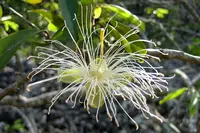
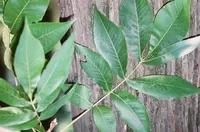
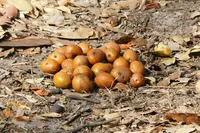
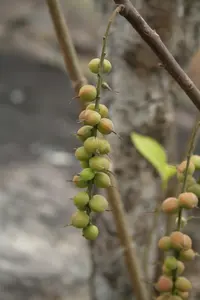
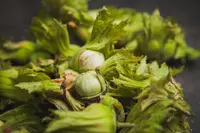
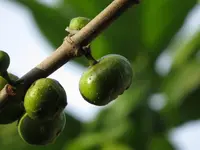
Caryocar glabrum is an evergreen tree native to tropical rainforests of northern South America. It typically grows with a broad, dense canopy and thick, leathery leaves. The tree produces showy, brush-like flowers with many stamens, followed by large, hard fruits that are locally valued but not widely cultivated outside its range. In cultivation, it requires warm temperatures, high humidity, and consistently moist but well-drained soil, which makes it better suited to advanced growers or specialized collections. Understanding how to care for Caryocar glabrum starts with providing bright light, protection from cold, and space for its vigorous root and canopy growth.

Main Plant Requirements

Care Difficulty

Hard Care

Light Preference

Full Sun

Water Requirements

Regular Water

Temperature Preference

Tropical / Frost Sensitive

Hardiness Zone

11–13

Soil Texture

Loamy, Sandy, Organic-rich

Soil pH

Acidic (5.5–6.5), Slightly acidic (6.5–7.0)

Soil Drainage

Moist but well-drained

Fertilization

Minimal (feed rarely)

Get Personalized Care Plan

Scan your plant to receive care tips personalized for your specific plant

Available on iOS and Android

How to Care for the Caryocar glabrum

This species prefers bright, warm conditions similar to its native lowland rainforest light levels.

  • Provide 4–6 hours of bright, filtered sun daily, such as dappled light under taller trees or morning sun with afternoon shade.
  • Tolerates light to moderate partial shade, but dense shade slows growth and reduces flowering and fruiting in Caryocar glabrum.
  • Avoid intense, unfiltered midday sun in hot climates, which can scorch new leaves; increase light exposure gradually at the end of cloudy or rainy seasons.

Watering should aim to keep the root zone evenly moist without prolonged saturation.

  • Allow the top 3–5 cm of soil to dry slightly before deep watering, ensuring moisture reaches the full root depth rather than just the surface.
  • Use well-drained, organic-rich soil so excess water can escape; persistent puddling or sour odor indicates poor drainage and risk of root rot.
  • In hotter months, watch for dull, drooping leaves as a sign to water; in cooler or rainy seasons, reduce frequency to avoid soft, yellowing foliage from overwatering.

This tropical tree favors stable warmth and does poorly with cold or sudden temperature swings.

  • Aim for 70–86°F (21–30°C) during active growth, which supports steady foliage and root development.
  • Protect from temperatures below 55°F (13°C); brief exposure near 45°F (7°C) can cause leaf drop, and frost will typically kill young tissue.
  • In hotter periods above 90°F (32°C), ensure soil does not dry out completely and provide some shade to reduce heat stress on leaves and young shoots.

This species prefers moderately high, stable humidity similar to a warm tropical understory.

  • Aim for 50–70% humidity; it tolerates brief dips to 40% but prolonged very dry air weakens foliage.
  • Watch for crisp leaf edges, curling, and slow new growth as signs of low humidity stress.
  • Increase humidity with a nearby humidifier or grouped plants; avoid misting if leaves stay wet for hours.

Soil for Caryocar glabrum must be deep, well‑drained, and rich in stable organic matter.

  • Use a loamy mix combining roughly 50% composted organic matter, 30% coarse sand, and 20% perlite or fine bark for structure.
  • Ensure rapid drainage so water moves through within seconds; avoid heavy clay, compacted ground, or standing water zones.
  • Maintain slightly acidic to neutral pH around 6.0–7.0, amending with composted leaf mold rather than raw manure.
  • Improve aeration by incorporating coarse sand and bark chips into the top 20–30 cm, avoiding excessive fine peat that collapses over time.

This species can be grown in large, sturdy containers when in-ground planting is not possible.

  • Choose a deep, heavy container that resists tipping, as the tree becomes tall and canopy-heavy over time.
  • Select thick-walled pots that moderate temperature swings and slow water loss around the developing woody root system.
  • Leave a generous unfilled rim space at the top of the pot to allow thorough surface watering without overflow and ensure even root-zone wetting.

This tropical tree benefits from modest, targeted feeding when grown in managed landscapes or large containers.

  • Use a balanced slow-release fertilizer (around 10-10-10 or similar) at the start of the warm growing season.
  • Apply once every 3–4 months in active growth, keeping granules away from the trunk base.
  • On young or container-grown Caryocar glabrum, use half-strength rates to avoid root burn.
  • Skip or greatly reduce feeding in cool months when growth slows.

Pruning is mainly used to maintain structure and remove problem wood on this long-lived tree.

  • Carry out light structural pruning at the end of the dry or cool season, before vigorous new growth.
  • Remove dead, diseased, crossing, or storm-damaged branches first to improve airflow and safety.
  • Thin crowded inner branches to allow more light, keeping a single strong leader where possible.
  • Use sharp, clean loppers or a pruning saw, making smooth cuts just outside the branch collar.

In cultivation this species is usually planted in the ground, so focus on careful transplanting of young trees.

  • Transplant during warm, moist weather, ideally early rainy season or late spring, to support fast root recovery.
  • Look for circling roots or poor growth in nursery containers as a sign the plant is ready to move.
  • Dig a wide, shallow planting hole, loosening surrounding soil so new roots can spread outward quickly.
  • Water deeply before and after planting, then mulch 5–8 cm thick, keeping mulch a few cm from the trunk.

Propagation of this tree is mainly done from seed and tends to be slow and specialized.

  • Collect fully mature fruits, extract seeds, and clean the pulp before sowing.
  • Sow fresh seed at the start of the warm, rainy season in deep containers or a nursery bed.
  • Provide 75–85°F bottom warmth, consistent moisture, and good shade to support germination.
  • Protect seedlings from full sun and drought, then harden them off gradually before field planting.

This tropical species is frost-sensitive and needs protection in any climate with cool winters.

  • Avoid planting outdoors where temperatures drop below 32°F for extended periods.
  • Mulch the root zone 5–8 cm deep to buffer short cool spells and soil temperature swings.
  • Grow container plants in large pots and move indoors or into a heated greenhouse before the first frost.
  • Maintain indoor temperatures above 55–60°F with bright light and slightly reduced watering.

Care Tips

Wind-firm training

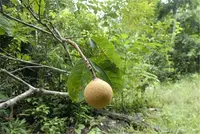
In the first 2–3 years, lightly stake young trees and remove the stake gradually as the trunk thickens so the plant develops a stable, wind-firm structure rather than a weak, permanently supported stem.

Deep root development

Encourage a strong taproot by watering less often but deeply and avoiding frequent shallow cultivation near the base, which can damage young roots and reduce long-term drought resilience when growing Caryocar glabrum.

Mulch management

Maintain a 5–8 cm layer of coarse organic mulch in a wide ring around the tree, but keep it 5–10 cm away from the trunk to suppress weeds, buffer soil temperature, and reduce rot risk at the collar.

Thinning for air flow

Once established, selectively thin crowded interior branches every 1–2 years instead of heavy topping so light can penetrate the canopy and air circulation reduces fungal leaf problems.

Fruit load balancing

On young or stressed trees, remove some developing fruits early in the season so the remaining fruits size up better and the tree is not overtaxed, which helps maintain vegetative vigor and regular cropping.

Common Pests and Diseases

Leaf-miner larvae

This pest tunnels inside young leaves, creating pale, winding mines that reduce photosynthesis and weaken new growth.

Solution

Remove and destroy heavily mined leaves as soon as damage appears, and encourage natural predators by avoiding broad-spectrum insecticides; in young trees or high-value specimens, a targeted application of a systemic insecticide labeled for leaf-miners can be used according to label directions.

Fruit-boring beetles

These insects bore into developing fruits, causing premature fruit drop, internal decay, and reduced seed quality important for propagation or local use.

Solution

Collect and destroy infested dropped fruits, remove any visibly bored fruits from the tree, and keep the area under the canopy clean; in regions where fruit borers are recurrent, use bagging of young fruits or pheromone or light traps as part of an integrated management program.

Scale insects

This pest attaches firmly to twigs and leaves, sucking sap and producing honeydew that can lead to sooty mold and general decline in vigor.

Solution

Prune and discard heavily infested twigs, then wash accessible branches and foliage with a strong stream of water; for persistent infestations, apply horticultural oil or insecticidal soap thoroughly to all plant surfaces, repeating as needed according to product instructions as part of broader Caryocar glabrum care.

Anthracnose

This disease causes irregular brown to black lesions on leaves and sometimes young shoots, which can lead to premature leaf drop in humid conditions.

Solution

Prune and destroy infected leaves and twigs, improve airflow by thinning dense interior branches, and avoid overhead irrigation; in areas with a history of anthracnose on this species, apply a copper-based or other labeled fungicide preventively at the start of the rainy or humid season.

Leaf spot complex

Symptoms include scattered brown or purplish spots on leaves, sometimes with yellow halos, which may coalesce and reduce canopy density over time.

Solution

Collect and dispose of fallen leaves, avoid prolonged leaf wetness by watering at soil level, and maintain adequate spacing between trees; if spots spread rapidly in a plantation or landscape setting, use an appropriate foliar fungicide labeled for leaf spots on woody tropical species, applied according to local recommendations.

Interesting Facts

Amazon canopy tree

This species is a tall evergreen tree native to lowland Amazonian forests, where it typically grows in the upper canopy layer and contributes to the multi-tiered forest structure.

Oil-rich seeds

Its large, hard-shelled fruits contain seeds rich in oils and fats, which serve as an important food source for wildlife such as rodents and large birds that can crack the tough endocarp.

Specialized flower visitors

The tree produces robust, brush-like flowers with many stamens that offer abundant nectar and pollen, attracting specialized pollinators including bats that can navigate to the flowers at night.

FAQs about Caryocar glabrum

The large oily seeds are edible after proper processing and are traditionally used for oil and as a food source. Only harvest from correctly identified trees and avoid eating any part if there is uncertainty.

Grow Healthy Plants with Botan Care

Keep your plants happy and healthy with plant identification, disease detection, and easy care guidance.


Botan plant care app — identify plants on mobile

Explore More Plants