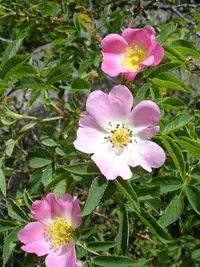
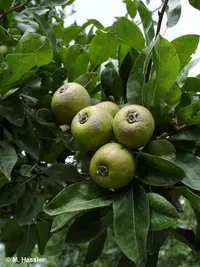
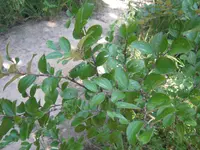
Windward establishment
In exposed sites, stake young plants for the first 1–2 years and position the strongest stake on the prevailing wind side to reduce root rock and help develop a stable framework.

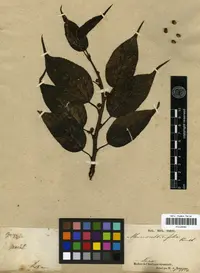
Texas mulberry, Morus microphylla, is a small deciduous tree or large shrub native to dry, rocky regions of Texas and the southwestern United States. It often forms a multi-stemmed, irregular crown with small, rough leaves and dark purple, sweet fruits that resemble common mulberries. The species is adapted to heat, drought, and poor soils, which makes it relatively resilient once established. Its deep root system and tough foliage help it cope with harsh conditions but can make transplanting more difficult. Gardeners who want to learn how to care for Texas mulberry should know it prefers full sun, well-drained soil, and moderate, not constant, moisture.

Care Difficulty
Easy Care

Light Preference
Full Sun

Water Requirements
Low Water

Temperature Preference
Cold Hardy

Hardiness Zone
5–9

Soil Texture
Sandy, Loamy, Rocky

Soil pH
Slightly acidic (6.5–7.0), Neutral (7.0)

Soil Drainage
Well-drained

Fertilization
Minimal (feed rarely)
Scan your plant to receive care tips personalized for your specific plant
Available on iOS and Android
This drought-adapted mulberry thrives in strong sun but tolerates some shade in hot regions.
This species prefers deep, infrequent watering that mimics natural desert rain patterns.
This hardy mulberry tolerates substantial heat and cold when established in the landscape.
This drought-adapted species tolerates low humidity and rarely needs special humidity management.
Morus microphylla prefers well-drained, mineral soils that do not stay wet after rain or watering.
This species can be grown in containers for the short to medium term if given a large, stable setup outdoors.
Morus microphylla needs only light feeding in typical garden soils, so focus on supporting steady growth rather than pushing it.
Pruning Morus microphylla is mainly done to maintain structure and remove problem wood rather than to control size aggressively.
This species is usually grown in the ground, so focus on careful transplanting rather than frequent repotting.
Morus microphylla is most often propagated by seed or semi-hardwood cuttings under controlled conditions.
This mulberry is quite cold hardy and usually needs minimal winter care once established in the landscape.

Plant Health Check
Not sure what's wrong with your plant? Check your plant's health inside the app.
Morus microphylla is native to arid and semi-arid regions of the southwestern United States and northern Mexico, where it grows in rocky canyons, dry slopes, and limestone outcrops rather than moist riverbanks typical for many other mulberries.
The species name microphylla means small-leaved, referring to its noticeably smaller, often thickened leaves that help reduce water loss in hot, dry environments.
Its small, dark purple to nearly black fruits are a valued food source for birds and small mammals in desert and canyon habitats, helping support local wildlife communities despite harsh growing conditions.

Morus microphylla is considered one of the most drought-tolerant mulberry species, surviving in habitats with shallow, stony soils and limited rainfall where many related species cannot persist.
The fruits are edible and sweet when fully ripe, often used fresh or in jams. Leaves are not typically eaten. Only harvest from unpolluted areas, and avoid unripe, pale berries, which can cause mild stomach upset.
Keep your plants happy and healthy with plant identification, disease detection, and easy care guidance.