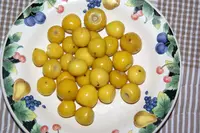
Muntries Care (Kunzea pomifera)

Also known as: Munthari
Muntries

About Muntries

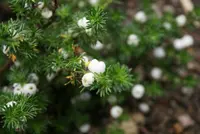
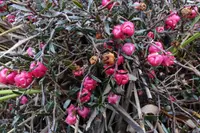
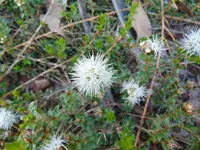
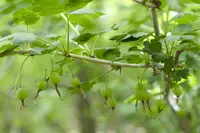
Muntries, or Kunzea pomifera, is a low-growing, evergreen shrub native to coastal areas of southern Australia. It is best known for its small, glossy leaves and trailing, mat-forming habit. The plant produces white, fluffy flowers followed by edible, green to reddish berries with a crisp texture and spicy-apple flavor. This makes it valued both as an ornamental groundcover and a bushfood plant. It is generally considered hardy and adaptable, but good drainage is important, and it prefers sunny, open sites with low to moderate moisture. Once established, it can tolerate dry periods, which simplifies how to care for Muntries in many home gardens.

Main Plant Requirements

Care Difficulty

Moderate Care

Light Preference

Full Sun

Water Requirements

Low Water

Temperature Preference

Warm Climate

Hardiness Zone

9–11

Soil Texture

Sandy, Loamy, Rocky

Soil pH

Acidic (5.5–6.5), Slightly acidic (6.5–7.0)

Soil Drainage

Well-drained

Fertilization

Minimal (feed rarely)

Get Personalized Care Plan

Scan your plant to receive care tips personalized for your specific plant

Available on iOS and Android

How to Care for the Muntries

Kunzea pomifera grows best in bright, open conditions with some protection from harsh afternoon sun.

  • Aim for 6–8 hours of direct sun daily, ideally with morning sun and light afternoon shade to support flowering and fruiting of Muntries.
  • Plant in a position with full sun in cool or coastal areas, but use partial shade inland where summer sun is intense or reflected heat is high.
  • Watch leaves for stress: pale, scorched edges indicate too much intense sun, while lanky, weak growth suggests insufficient light.

Kunzea pomifera prefers slightly dry, well-drained conditions and dislikes sitting in wet soil.

  • Allow the top 3–5 cm of soil to dry before watering, then soak the root zone thoroughly so water reaches the deeper roots.
  • During hot, dry periods, water when foliage looks slightly dull and soil feels dry at finger depth; reduce watering in cool or rainy seasons.
  • Ensure fast drainage with sandy or gravelly soil; yellowing, soft leaves suggest overwatering, while crisp leaf tips and leaf drop point to drought stress.

This species tolerates a wide range of outdoor temperatures but performs best in mild, low-frost climates.

  • Optimal growth occurs around 60–77°F (16–25°C), with strongest flowering and fruiting in stable, moderate conditions.
  • Kunzea pomifera can survive brief drops near 23°F (−5°C), but repeated hard frosts below this can damage young shoots and reduce harvest.
  • Mature plants handle dry heat up to about 95–100°F (35–38°C) if soil is not waterlogged; mulch roots and avoid heat-reflective walls to limit stress.

Kunzea pomifera handles low-humidity outdoor conditions well, so humidity control is rarely critical.

Kunzea pomifera prefers light, fast-draining soils that mimic sandy coastal or scrub environments.

  • Use a sandy or sandy-loam mix with low to moderate organic content to prevent water retention around the roots.
  • Aim for slightly acidic to neutral pH, roughly 6.0–7.0, avoiding strongly alkaline or compacted clay soils.
  • Blend coarse sand and fine gravel into native soil to improve drainage and aeration in heavier ground.
  • Avoid waterlogged spots, raised beds without drainage, or dense mulch layers that keep the root zone constantly wet.

This species can be grown successfully in containers when drainage and root space are carefully managed.

  • Choose a wide, relatively deep pot to accommodate its spreading root system and stabilize low, sprawling growth.
  • Select a rigid, heavy container material like ceramic or thick-walled terracotta to prevent tipping as stems spread and fruit develop.
  • Use a very free-draining potting mix formulated for Mediterranean or native shrubs so excess water moves quickly away from the root zone.

Kunzea pomifera grows in low‑nutrient soils and only needs light, targeted feeding in containers or poor ground conditions.

  • Use a mild, balanced slow‑release fertilizer or well‑aged compost for potted Muntries at the start of spring.
  • Feed once at the beginning of the growing season; a second light feed in mid‑summer is enough for most plants.
  • Dilute liquid fertilizer to 25–50% strength to avoid root burn and excessive soft growth.
  • Stop feeding in late summer so growth hardens before winter, and do not fertilize during dormancy.

Kunzea pomifera responds well to light structural pruning to maintain a tidy, productive shrub.

  • Carry out main pruning in late winter to early spring, before strong new growth begins.
  • Remove dead, diseased, crossing, or inward‑growing stems first to improve airflow and reduce disease risk.
  • Shorten long or sprawling shoots to shape the plant and encourage denser, fruiting side branches.
  • Use clean, sharp secateurs and make cuts just above a healthy bud or branch junction.

This species is usually grown in the ground; transplanting young Kunzea pomifera plants carefully is more important than frequent repotting.

  • Plan transplanting or any pot‑up for late winter to early spring, when conditions are cool and soil is moist but not waterlogged.
  • Look for roots circling the pot base, tight root mass, or stalled top growth as indicators that a container plant needs a larger pot.
  • Move up only 1 pot size, keep the root ball largely intact, and backfill with a free‑draining native shrub mix.
  • Water thoroughly after transplanting, then keep soil evenly moist and shaded for 1–2 weeks to reduce transplant shock.

Kunzea pomifera is commonly propagated from semi‑hardwood cuttings and, less often, from seed.

  • Take semi‑hardwood tip cuttings in late summer to early autumn, 8–10 cm long, from healthy, non‑flowering shoots.
  • Remove lower leaves, dip the base in rooting hormone, and place in a very free‑draining, low‑phosphorus mix.
  • Maintain bright, indirect light, gentle bottom warmth if available, and high humidity until roots form.
  • Sow fresh seed in late winter to spring in a sandy mix, keeping it just moist and exposed to light for even germination.

Kunzea pomifera is generally cold hardy in mild climates and needs only modest winter attention once established.

  • In regions with frost, apply a 5–8 cm layer of coarse mulch around the root zone, keeping it clear of the stem base.
  • Avoid waterlogged soil in winter, as saturated roots greatly increase the risk of root rot.
  • For container plants in colder zones, move pots to a sheltered, unheated but frost‑free area with good light.

Care Tips

Low pH management

Use a simple garden pH test kit every 1–2 years and, if soil drifts above pH 6.5, lightly incorporate elemental sulfur into the top 5–8 cm to keep this species in the slightly acidic range it prefers.

Controlled groundcover training

To use plants as a dense edible groundcover, pin young, flexible stems to the soil with biodegradable pegs and lightly mulch between them, then prune back any runners that invade paths or other beds.

Support for fruiting stems

In windy or exposed sites, run a low wire or install short shrub rings around plants so semi-woody, fruit-laden stems are supported and less likely to snap before harvest.

Targeted pest scouting

From spring through early summer, check the undersides of leaves and soft shoot tips every 1–2 weeks for scale insects or caterpillars, and remove early infestations by hand or with a directed horticultural oil spray rather than broad-spectrum insecticides.

Harvest and rejuvenate

When harvesting fruit, also remove 1–3 of the oldest, most twiggy stems at the base to gradually renew the plant’s framework and maintain productive, well-lit growth for growing Muntries over many years.

Common Pests and Diseases

Myrtle rust

This disease causes bright yellow to orange powdery pustules on young leaves, shoots, and sometimes fruit, which can distort new growth and reduce vigor.

Solution

Remove and bag affected shoots as soon as symptoms appear and dispose of them in the trash, not in compost. Improve airflow around plants, avoid overhead watering, and in areas where myrtle rust is established, monitor frequently and follow local guidelines for fungicide use if the plant is of high value.

Scale insects

These insects appear as small, dome-shaped or flat bumps on stems and leaf undersides, sucking sap and leading to leaf yellowing, reduced growth, and sticky honeydew that can attract sooty mold.

Solution

Wipe or gently scrape off visible scales and prune heavily infested stems. For lighter infestations, apply horticultural oil or insecticidal soap thoroughly to stems and leaf undersides, repeating every 7–14 days until new growth appears clean.

Leaf spot

This disease causes small dark spots that may develop pale centers on older leaves, sometimes leading to premature leaf drop in humid or crowded plantings.

Solution

Prune out and discard badly affected leaves to reduce inoculum and increase airflow through the canopy. Water at soil level rather than over foliage and, if the problem persists in wet seasons, consider a registered copper-based fungicide used according to label directions.

Webbing caterpillars

These insects create webbing among branch tips and foliage while feeding on leaves, which can thin the canopy and stress the shrub if populations build up.

Solution

Prune out and destroy webbed sections containing caterpillars when first noticed. For larger plants or heavier infestations, use a biological control product based on Bacillus thuringiensis (Bt), applied in the evening to young larvae on actively eaten foliage.

Interesting Facts

Australian sand specialist

This species naturally occurs in coastal and inland sandy soils of southern Australia, where it forms low, spreading mats that help stabilize loose dunes and shallow slopes.

Edible aromatic berries

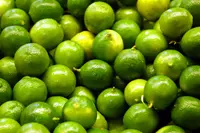
The plant produces small green to reddish berries with a spicy apple-like flavor that have been traditionally eaten by Aboriginal Australians and are now used in bushfood products such as jams and desserts.

Nectar resource for fauna

Its small white flowers are rich in nectar and attract native bees, flies, beetles, and other insects, contributing to local pollinator networks in coastal heath and mallee ecosystems.

Botan icon

Did you know?

This shrub is a member of the Myrtaceae family and, like many relatives, its leaves and fruits contain aromatic compounds that make the berries suitable as a natural flavoring in both sweet and savory Australian native cuisine.

FAQs about Muntries

The fruits are edible and widely valued as a bushfood. Berries can be eaten fresh or used in jams, desserts, and sauces. Leaves are not usually consumed. Always source plants from pesticide-free stock intended for edible use.

Grow Healthy Plants with Botan Care

Keep your plants happy and healthy with plant identification, disease detection, and easy care guidance.

Botan plant care app — identify plants on mobile

Explore More Plants