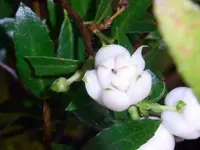
american persimmon Care (Diospyros virginiana)

Also known as: American persimmon, possumwood, eastern persimmon, Simmon, possum apples, sugar plum
american persimmon

About american persimmon

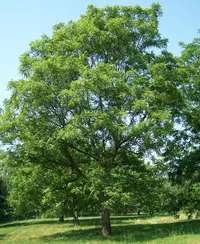
American persimmon, Diospyros virginiana, is a deciduous fruit tree native to eastern and central North America. It is usually medium-sized, with a straight trunk and a rounded, open crown.

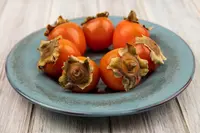
The tree has glossy green leaves that turn yellow to orange in autumn and produces small, fragrant flowers, followed by orange to reddish, plum-sized fruits. Fruits are astringent when unripe but become sweet and soft after frost or full ripening.

This species is generally hardy and adaptable, tolerating a range of soils and moderate drought once established. It prefers full sun, well-drained soil, and benefits from consistent moisture when young, which simplifies how to care for american persimmon in typical garden conditions.

Main Plant Requirements

Care Difficulty

Moderate Care

Light Preference

Full Sun

Water Requirements

Moderate Water

Temperature Preference

Cold Hardy

Hardiness Zone

4–9

Soil Texture

Sandy, Loamy, Clay

Soil pH

Acidic (5.5–6.5), Slightly acidic (6.5–7.0)

Soil Drainage

Moist but well-drained

Fertilization

Minimal (feed rarely)

Get Personalized Care Plan

Scan your plant to receive care tips personalized for your specific plant

Available on iOS and Android

How to Care for the american persimmon

This species needs abundant direct light to flower and fruit well.

  • Provide 6–8 hours of direct sun daily; full sun gives best fruiting, though light afternoon shade is helpful in hotter southern climates.
  • Young trees tolerate partial shade (4–5 hours sun) but may grow slower and set fewer fruits as mature american persimmon trees.
  • In summer, monitor for leaf scorch on very exposed, dry sites; in dense shade, expect leggy growth, sparse foliage, and poor flowering over time.

This tree prefers evenly moist, well-drained soil, especially while young.

  • Water when the top 5–8 cm of soil feels dry, giving a deep soak so moisture reaches the main root zone rather than frequent shallow splashes.
  • Newly planted Diospyros virginiana needs consistent moisture for the first 1–2 years; mature trees usually manage on rainfall except during prolonged droughts.
  • Signs of underwatering include drooping, dull leaves and early fruit drop; overwatering shows as yellowing leaves, slow growth, and soggy, foul-smelling soil.

This hardy tree handles a wide temperature range once established.

  • Optimal growing temperatures are about 70–85°F (21–29°C) in the growing season, with good air circulation to limit heat stress.
  • Dormant trees tolerate winter lows around -20°F (-29°C) in many regions, but young saplings benefit from mulch to protect roots from deep freeze.
  • In very hot spells above 95°F (35°C), maintain soil moisture and mulch to reduce root stress; avoid planting in low frost pockets that trap cold air.

This species handles a wide humidity range and rarely needs special humidity management.

  • Target 30–60% relative humidity; typical outdoor and unmodified indoor air is acceptable for american persimmon.
  • Dry air is usually tolerated, but prolonged hot, arid wind can cause marginal leaf browning and premature leaf drop.
  • Increase humidity only in very arid sites by grouping plants, adding nearby water features, or using mulch to reduce leaf-level moisture loss.

This tree prefers deep, well-aerated mineral soil with steady drainage.

  • Use a loamy or sandy-loam structure with moderate organic matter from compost or leaf mold to balance moisture retention and drainage.
  • Ensure water drains freely; avoid compacted or heavy clay that stays wet, which increases root rot risk in Diospyros virginiana.
  • Maintain slightly acidic to neutral pH, roughly 6.0–7.0, as strongly alkaline soil can limit nutrient availability and slow growth.
  • Improve aeration and drainage in heavier soils by incorporating coarse sand, fine gravel, or pine bark into the planting backfill.

This species can be grown in containers when kept as a young tree or compact specimen outdoors.

  • Choose a deep, heavy container to stabilize the developing taproot and prevent the tree from tipping in wind.
  • Use a mineral-based mix (loam with coarse sand or fine gravel) so the root zone does not stay waterlogged in a confined pot.
  • Set the container on pot feet or blocks so all drainage holes stay clear and excess water exits quickly after rain or irrigation.

This native fruit tree usually needs modest feeding only when soil is poor or trees are in containers.

  • Apply a balanced slow-release fertilizer (around 10-10-10) in early spring, following label rates for american persimmon.
  • Use a light top-dressing of compost around the drip line once a year to improve soil structure and nutrition.
  • During the growing season, avoid high-nitrogen products that push excessive leafy growth at the expense of fruiting.
  • Do not feed in late fall or winter, and avoid overapplication to reduce salt buildup and root stress.

Pruning Diospyros virginiana is mainly done to maintain structure, remove problem wood, and support safe, productive fruiting.

  • Schedule the main pruning in late winter to very early spring while the tree is still dormant.
  • Remove dead, diseased, crossing, or inward-growing branches using clean, sharp bypass pruners or a pruning saw.
  • Thin crowded interior branches to improve light penetration and airflow, which supports flowering and fruit quality.
  • Shorten or remove poorly placed limbs to keep a strong central framework and manageable tree height.

American persimmon is usually grown in the ground, so focus on careful transplanting rather than frequent repotting.

  • Transplant young trees in late fall or early spring when dormant, choosing a sunny, well-drained site.
  • Look for signs such as circling roots or stunted growth in containers as indicators a larger pot or planting out is needed.
  • Disturb the deep taproot as little as possible; keep the root ball intact and water thoroughly before and after moving.
  • Apply a wide mulch ring after transplanting to conserve moisture, reduce temperature swings, and limit weed competition.

Propagation of Diospyros virginiana is most often done from seed, with grafting used for named fruit cultivars.

  • Collect ripe seeds in fall, clean them, and provide 2–3 months of cold stratification at about 35–40°F.
  • Sow stratified seeds in deep pots or nursery beds with well-drained soil, keeping moisture even but not waterlogged.
  • Softwood cuttings taken in early summer root slowly and need high humidity, bottom warmth, and a free-draining medium.
  • Graft desired cultivars onto vigorous seedling rootstocks in late winter to early spring for reliable fruit quality.

This species is generally cold hardy in much of its range and often needs only minimal winter attention once established.

  • Mature trees tolerate typical winters in USDA zones roughly 4–9, but young trees benefit from basic protection.
  • Apply 5–8 cm of mulch over the root zone, keeping it slightly away from the trunk to prevent rot.
  • For container-grown trees in colder regions, move pots into an unheated garage or sheltered area to avoid root freezing.

Care Tips

Rootstock selection

Choose grafted trees on cold-hardy, nematode-resistant rootstocks from reputable nurseries, as they establish faster and give more predictable fruit quality than seed-grown trees.

Structured central leader

Train a single strong central leader with 3–5 well-spaced scaffold branches during the first 3–4 years to create a durable framework that resists limb breakage under heavy fruit loads.

Thin heavy crops

In years with very heavy fruit set, hand-thin developing fruits so that they are spaced 10–15 cm apart along branches to reduce limb stress and improve individual fruit size and flavor.

Rodent and deer protection

Install a sturdy wire mesh cylinder around the trunk and use tall fencing or repellents where deer pressure is high, since bark and young shoots are very attractive to browsing animals.

Harvest and astringency

Collect fruits when they turn deep orange and detach easily, then allow them to soften fully at room temperature or after brief refrigeration to reduce astringency, which is a key step in caring for american persimmon for fresh eating or processing.

Common Pests and Diseases

Persimmon psyllid

This pest feeds on young leaves and shoots, causing cupping, curling, and distortion of new growth. Heavy infestations can slow growth and reduce fruit quality.

Solution

Prune and destroy heavily infested shoot tips and encourage natural predators by avoiding broad-spectrum insecticides. For persistent problems, use a targeted insecticidal soap or horticultural oil spray on young foliage in spring, making sure to cover leaf undersides.

Twig girdlers

These insects lay eggs in small branches and girdle twigs, which then die and break off, often found hanging or on the ground under the tree. Symptoms include scattered dieback of small branches and reduced canopy density.

Solution

Remove and destroy fallen twigs and small branches in late summer and fall to eliminate developing larvae. In larger plantings, regular sanitation combined with winter pruning of dead twigs helps reduce populations over time.

Persimmon borer

This pest tunnels into trunks and larger branches, weakening the wood and creating frass-filled galleries at entry points. Symptoms include oozing sap, small piles of sawdust-like frass, and localized branch dieback.

Solution

Inspect trunks and major limbs regularly and remove and destroy severely infested branches. Keep trees healthy with proper watering and avoid trunk injuries; in areas with a history of borers, consider using trunk wraps or protective paints recommended for fruit trees to reduce egg-laying on young bark.

Leaf spot (Cercospora)

This disease causes small brown to purplish spots on leaves that may merge into larger blotches, sometimes leading to premature leaf drop in late summer. Symptoms include thinning foliage and reduced vigor when infections are repeated over several seasons.

Solution

Rake and destroy fallen leaves in autumn to reduce the source of new infections. Improve air circulation by pruning crowded branches, avoid wetting foliage with overhead irrigation, and in severe, recurring cases use a labeled copper or other fungicidal spray early in the season according to Diospyros virginiana care instructions.

Anthracnose

This disease affects leaves and young shoots, causing irregular dark lesions that may follow veins and lead to distorted or blighted new growth. Symptoms include scattered dead patches in the canopy and occasional twig dieback in cool, wet springs.

Solution

Remove and dispose of infected leaves and twigs and promote good airflow by thinning dense interior branches. Avoid prolonged leaf wetness, water at soil level, and in areas with a known history of anthracnose consider a preventive fungicide program at bud break and early leaf expansion if trees suffered serious damage in previous years.

Interesting Facts

Frost-sweetened fruit

American persimmon fruit is astringent and almost inedible when firm and orange, but becomes sweet, soft, and palatable only after full ripening and exposure to cold that helps break down tannins.

Clay-tolerant root system

This species develops a deep taproot and extensive lateral roots that tolerate compacted, heavy clay soils and periodic drought, which allows it to thrive in many challenging Eastern and Central US sites.

Wildlife food keystone

The soft, late-season fruit provides an important food source for many mammals and birds, including raccoons, opossums, foxes, deer, and wild turkeys, often supporting wildlife well into late fall.

Botan icon

Did you know?

American persimmon wood is extremely dense and hard, belonging to the same genus as true ebony, and has historically been used for items requiring high impact resistance such as older golf club heads and textile shuttles.

FAQs about american persimmon

Growth is moderate. Young trees usually add about 30–60 cm per year, sometimes more in rich, evenly moist soil. Rate slows as the tree matures, especially in dry, compacted, or nutrient-poor sites.

Grow Healthy Plants with Botan Care

Keep your plants happy and healthy with plant identification, disease detection, and easy care guidance.

Botan plant care app — identify plants on mobile

Explore More Plants