Avocado Care (Persea americana 'Choquette')

Also known as: Alligator Pear

About Avocado

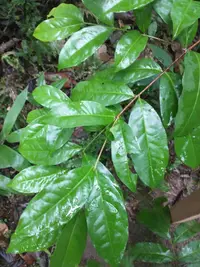
Persea americana 'Choquette' is a vigorous avocado cultivar grown mainly for its large, smooth-skinned, green fruit with rich, creamy flesh. It forms a medium to large evergreen tree with dense, glossy foliage and a rounded canopy.

This cultivar originated in tropical and subtropical regions of Central America and is now widely grown in warm climates, especially in Florida. It prefers full sun, well-drained soil, and consistent moisture, which influences how to care for Avocado in home landscapes.

Choquette is relatively fast-growing but can be sensitive to cold, poor drainage, and root disturbance, which can make it more demanding than many common landscape trees.

Main Plant Requirements

Care Difficulty

Moderate Care

Light Preference

Full Sun

Water Requirements

Moderate Water

Temperature Preference

Tropical / Frost Sensitive

Hardiness Zone

10–11

Soil Texture

Sandy, Loamy, Organic-rich

Soil pH

Acidic (5.5–6.5), Slightly acidic (6.5–7.0)

Soil Drainage

Well-drained

Fertilization

Minimal (feed rarely)

Get Personalized Care Plan

Scan your plant to receive care tips personalized for your specific plant

Available on iOS and Android

How to Care for the Avocado

Persea americana 'Choquette' performs best in bright, direct sun with some protection from extreme afternoon heat.

  • Provide 6–8 hours of direct sun daily, ideally with morning sun and light afternoon shade in very hot climates to reduce leaf scorch.
  • Young trees tolerate partial shade (3–4 hours direct sun), but fruiting and overall vigor decline if light stays below this level for long periods.
  • In summer, protect bark and leaves from sudden full-sun exposure; in winter, ensure the site is as open and unshaded as possible to maximize low-angle sun.

Persea americana 'Choquette' needs consistent soil moisture without prolonged saturation.

  • Water when the top 4–6 cm of soil feels dry, applying a slow, deep soak so moisture reaches the main root zone rather than frequent shallow sprinkling.
  • Use fast-draining soil and avoid standing water; yellowing leaves, leaf drop, or sour-smelling soil indicate overwatering and possible root rot.
  • In hot, dry periods, drying occurs faster and watering may be needed several times per week, while in cool or rainy seasons watering frequency should be reduced.

This cultivar prefers warm, frost-free conditions with only moderate temperature swings.

  • Aim for 65–85°F (18–29°C) for active growth; brief peaks to 90°F (32°C) are tolerated if soil moisture is stable and roots are mulched.
  • Avoid temperatures below 30°F (-1°C); young trees are very sensitive, and tissue damage can occur even with light frost, especially on tender shoots and flowers.
  • In regions with occasional cold snaps, use frost cloth and wind protection; during heat waves above 95°F (35°C), provide extra water and some afternoon shade to limit stress.

This cultivar grows best in moderately humid air but tolerates typical indoor levels.

  • Aim for 40–60% humidity to balance leaf health and disease risk.
  • Avocado in very dry air may show browned leaf tips and edges that slowly expand.
  • Increase humidity with a nearby open tray of water and pebbles or by grouping plants, avoiding misting that can promote leaf disease.

Persea americana 'Choquette' needs fast-draining, airy soil that never stays waterlogged.

  • Use a loose, sandy loam rich in organic matter to support rapid root growth and oxygen access.
  • Aim for slightly acidic to neutral pH, around 6.0–7.0, for optimal nutrient availability.
  • Mix roughly 40% compost, 40% coarse material such as perlite or pumice, and 20% pine bark fines to improve structure and drainage.
  • Avoid heavy clay, compacted mixes, or peat-only substrates that hold water around the roots and increase root rot risk.

This avocado can be grown in containers if the pot supports its deep, vigorous root system and tall canopy.

  • Select a deep, wide container that allows a strong central root and lateral roots to spread without circling tightly.
  • Choose a stable, heavier pot material such as ceramic or thick plastic to reduce tipping as the canopy becomes top-heavy.
  • Raise the pot slightly off the ground so drainage holes clear freely and excess water leaves the root zone quickly.

This cultivar benefits from steady, moderate feeding to support vigorous growth and fruiting, especially in container or non-native soils.

  • Use a balanced granular or slow-release fertilizer (for example 8-3-9 formulated for Avocado) or well-aged compost as the main nutrient source.
  • Feed every 6–8 weeks during spring and summer, adjusting rates based on tree age and soil fertility tests when available.
  • Apply at half to three-quarter label strength, keeping fertilizer off the trunk and watering in thoroughly to avoid root burn.
  • Reduce or stop feeding in fall and winter, when active growth slows, to prevent weak, frost-sensitive shoots.

Persea americana 'Choquette' responds well to thoughtful structural pruning that manages size and light penetration.

  • Carry out main pruning in late winter to early spring before strong new growth begins.
  • Remove dead, diseased, crossing, or inward-growing branches to improve airflow and reduce disease risk.
  • Shorten or thin overcrowded upper branches to keep the canopy open and the tree at a manageable height for harvest.
  • Use clean, sharp bypass pruners or loppers, making smooth cuts just outside the branch collar to encourage proper healing.

Young trees adapt best to transplanting when handled gently and timed around mild weather.

  • Look for roots circling the pot, emerging from drainage holes, or for slowed growth as cues that a container-grown tree needs a larger space.
  • Plan major transplanting for late winter to early spring, avoiding extreme heat or cold to limit shock.
  • Move container plants every 2–3 years into a pot 5–8 cm wider, using a well-drained, slightly acidic mix designed for woody plants or citrus.
  • Lift the tree by the root ball, not the trunk, keep roots shaded and moist, and water deeply after planting to settle soil around the roots.

Clonal propagation of this cultivar is specialized, since seed-grown trees will not stay true to Persea americana 'Choquette'.

  • Use grafting onto vigorous seedling rootstocks as the standard method; perform cleft or veneer grafts in late winter to early spring.
  • Maintain warm, stable conditions around 70–80°F and high humidity to support graft union formation.
  • Grow rootstocks and scion wood in full sun with balanced nutrition to ensure strong, compatible material.
  • For home use, seeds can be sprouted in warm, well-drained media, understanding resulting trees differ from the named cultivar.

This tender avocado cultivar needs thoughtful winter care in regions with frost or sustained cool temperatures.

  • Assume damage risk below about 28–30°F, especially on young foliage and new shoots.
  • Apply 5–10 cm of organic mulch around the root zone, keeping it a few cm away from the trunk to moderate soil temperature.
  • Wrap young trunks with breathable tree wrap or use frost cloth over the canopy during forecast freezes.
  • Move container-grown trees indoors or into an unheated but bright shelter when repeated light frosts are expected.

Care Tips

Early tree training

Select a single strong central leader in the first 2–3 years and remove competing upright shoots so the tree develops a stable structure that can support the heavy fruit load later.

Wind and branch support

In windy locations, install a sturdy stake for young trees and use soft ties and occasional propping for heavily laden branches to prevent splitting under the weight of large fruit.

Fruit thinning strategy

On young or weak trees, remove some developing fruit in early summer so the remaining avocados size up better and the tree is not exhausted, which helps maintain regular bearing.

Cold event preparation

Before a forecast frost, water the soil thoroughly, add a thick organic mulch over the root zone, and use a breathable frost cloth over the canopy to reduce cold damage to tender growth.

Targeted root protection

Keep the root zone clear of turf, use a 5–10 cm layer of mulch that does not touch the trunk, and avoid deep cultivation near the base to protect the shallow feeder roots that are critical when growing Avocado in home landscapes.

Common Pests and Diseases

Avocado lace bug

This pest feeds on the underside of leaves, causing yellow stippling, bronzing, and premature leaf drop, especially in warm climates. Symptoms include very fine black varnish-like spots of excrement beneath the leaves.

Solution

Inspect the undersides of leaves regularly and prune heavily infested foliage. For management, hose down foliage to dislodge insects, then apply insecticidal soap or horticultural oil thoroughly to the leaf undersides, repeating every 7–10 days as needed while also reducing plant stress through proper watering and mulching.

Avocado thrips

These insects scar young fruit and tender leaves, causing brown russeting and corky scars that can distort fruit and reduce marketable quality. Damage is often worst on the sun-exposed side of developing fruit.

Solution

Monitor young flushes and fruit with regular inspections, and avoid excessive nitrogen that promotes very soft new growth. If populations build, use horticultural oil or spinosad-based products directed at young leaves and small fruit, applied in calm, cool parts of the day and repeated according to label directions.

Persea mite

This pest creates small yellow spots and round webbed colonies, mainly along leaf midribs and veins, which can lead to bronzing and leaf drop when populations are high. Fine webbing and tiny moving dots on the underside of leaves are typical signs.

Solution

Remove and dispose of heavily infested leaves and keep plant dust-free to encourage natural predators. If needed, use targeted miticides labeled for avocados or repeated applications of horticultural oil, ensuring thorough coverage of leaf undersides while avoiding treatment during high heat to prevent leaf burn.

Anthracnose

This disease causes dark, sunken spots on fruit and can also affect leaves and twigs, especially under warm, wet conditions. Symptoms include firm brown to black lesions that may expand and cause fruit rot, often developing more fully after harvest.

Solution

Prune to improve airflow and light penetration, remove and destroy infected fruit and fallen debris, and avoid overhead watering. In areas with frequent rain or fog, apply copper-based fungicides during flowering and early fruit development according to label directions to protect new tissues.

Phytophthora root and trunk rot

This disease, caused by Phytophthora species, leads to root decay, canopy thinning, leaf yellowing, and in advanced stages dark lesions and exudates on the trunk near the soil line. Symptoms include poor growth despite adequate water and a tendency to wilt in heat due to reduced root function.

Solution

Improve drainage, avoid overwatering, and keep mulch and soil from contacting the trunk base; remove severely affected trees if decline is advanced. For valuable trees in suitable conditions, use phosphonate (phosphite) fungicides as soil drenches or trunk sprays according to professional guidelines, combined with raising planting height or mounding soil to keep the root zone better aerated.

Interesting Facts

Large, watery fruits

Choquette avocados are known for their very large fruit size and relatively high water content, which gives the flesh a smoother, juicier texture compared with many creamy, oil-rich cultivars like Hass.

Florida-bred cultivar

This cultivar was selected and is widely grown in South Florida, where it is adapted to the humid, warm climate and is valued in regional commercial production for its high yields and large, glossy green fruits.

Mid- to late-season harvest

In its main production areas in Florida, Choquette typically ripens in the mid- to late season, often from late fall into winter, helping extend the overall avocado marketing season after earlier cultivars finish.

Botan icon

Did you know?

Choquette is classified as a West Indian–type avocado, a group that is generally more tolerant of heat and humidity but less tolerant of cold than Mexican-type avocados, so it plays an important role in supplying fresh fruit from lowland tropical and subtropical regions where other types perform poorly.

FAQs about Avocado

Brown leaf edges usually come from underwatering, low humidity, fertilizer burn, or salt buildup in the soil. Check soil moisture, flush the pot occasionally, reduce fertilizer, and keep it away from hot, dry drafts or heaters.

Grow Healthy Plants with Botan Care

Keep your plants happy and healthy with plant identification, disease detection, and easy care guidance.


Botan plant care app — identify plants on mobile

Explore More Plants