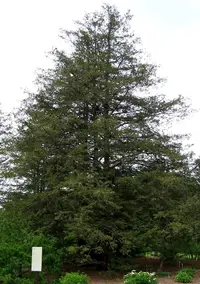
overcup oak Care (Quercus lyrata)

Also known as: swamp post oak
overcup oak

About overcup oak

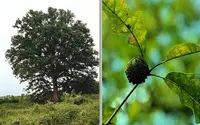
Overcup oak, Quercus lyrata, is a deciduous hardwood tree native to low, wet bottomlands and floodplains in the southeastern United States. It develops a strong central trunk with a broad, rounded crown at maturity.

Leaves are deeply lobed and glossy green, turning brownish in fall and often persisting into winter. Its thick, corky acorn cups almost enclose the nut, a key feature that helps the species tolerate periodic flooding.

This oak grows slowly to moderately but becomes very long-lived and sturdy once established. It adapts to a range of soils but performs best in full sun with consistent moisture, which influences how to care for overcup oak in landscapes.

Main Plant Requirements

Care Difficulty

Moderate Care

Light Preference

Full Sun

Water Requirements

Regular Water

Temperature Preference

Cold Hardy

Hardiness Zone

5–9

Soil Texture

Loamy, Clay, Silty

Soil pH

Acidic (5.5–6.5), Slightly acidic (6.5–7.0)

Soil Drainage

Waterlogged tolerant

Fertilization

Minimal (feed rarely)

Get Personalized Care Plan

Scan your plant to receive care tips personalized for your specific plant

Available on iOS and Android

How to Care for the overcup oak

This species thrives as a full-sun landscape tree but tolerates some shade, especially when young.

  • Provide 6–8 hours of direct sun daily; full sun promotes dense branching and strong trunk development in overcup oak.
  • Allow light afternoon shade in hotter regions to reduce leaf scorch, especially on newly planted trees during the first 2–3 years.
  • In partial shade, ensure at least 3–4 hours of morning sun and avoid deep shade, which leads to sparse growth and weaker fall color.

This bottomland oak prefers consistently moist yet well-drained soil, especially while establishing.

  • During the first 2–3 years, water deeply when the top 5–8 cm of soil feels dry, aiming for a slow soak that moistens 20–30 cm deep.
  • Reduce supplemental water in fall and winter, increasing only during prolonged droughts when leaves dull, curl slightly, or wilt midday.
  • Avoid standing water for more than 24–48 hours; persistent puddling, yellowing leaves, and soft new growth suggest poor drainage and overwatering.

This hardy oak is adapted to temperate climates with cold winters and hot summers.

  • Optimal growing temperatures are about 65–85°F (18–29°C) during the active season, with good growth from late spring through early fall.
  • Mature trees tolerate winter lows near -10°F (-23°C), though young saplings benefit from protection against drying winds and rapid freeze–thaw cycles.
  • In summer heat above 95°F (35°C), prioritize soil moisture and mulch rather than shade, as foliage is generally heat-tolerant if roots stay cool and hydrated.

Humidity is rarely a concern for Quercus lyrata in typical outdoor conditions.

Quercus lyrata prefers deep, moisture-retentive yet aerated soil that allows extensive root development.

  • Use a loamy soil with a mix of mineral particles and organic matter so it holds moisture but does not become stagnant.
  • Aim for slightly acidic to neutral pH, around 6.0–7.0, which supports nutrient availability and root health.
  • In heavy clay, incorporate coarse sand and compost in the top 20–30 cm to improve drainage and aeration around young roots.
  • Avoid compacted, shallow, or constantly waterlogged sites, which restrict root growth and increase risk of root rot and instability.

This species is only moderately suitable for container growing and usually works best as a temporary or juvenile stage planting.

  • Choose a tall, heavy container to accommodate the deep taproot and to reduce tipping as the tree gains height and canopy mass.
  • Select thick-walled or non-porous pot materials when grown in windy, exposed sites to limit rapid moisture loss and overheating of the root zone.
  • Use an extra-deep, sharply drained substrate so excess water moves quickly below the taproot zone while the upper layer stays evenly moist.

Mature Quercus lyrata in the ground usually needs little fertilization if soil is moderately fertile.

  • For young trees, use a balanced slow-release fertilizer (such as 10-10-10) once in early spring as growth begins.
  • Apply 1–2 in of compost over the root zone annually, keeping it away from the trunk flare.
  • During the growing season, avoid more than 1 light feeding to prevent overly lush, weak growth.
  • Do not fertilize in late fall or winter, and reduce strength by half for container-grown overcup oak.

Pruning Quercus lyrata is mainly structural and corrective rather than frequent shaping.

  • Best time is late winter to very early spring, before bud break, to minimize sap loss and disease risk.
  • Use clean, sharp bypass pruners or a pruning saw to remove dead, diseased, or storm-damaged branches.
  • Thin crowded interior branches to improve airflow and light penetration, encouraging a stable, open crown.
  • Remove competing leaders and awkward crossing branches when young to guide strong, upright structure.

Quercus lyrata is usually field-grown, so focus on careful transplanting rather than frequent container repotting.

  • Transplant in late fall or very early spring while the tree is dormant to limit transplant shock.
  • Choose a site with full sun and deep, well-drained soil, digging a hole 2–3× wider than the root ball.
  • Look for circling or pot-bound roots in nursery stock and gently loosen or cut minor girdling roots before planting.
  • Water deeply after planting, then keep soil evenly moist for the first 1–2 growing seasons to support root establishment.

Propagation of Quercus lyrata is typically done from acorns and is slow but reliable with proper handling.

  • Collect ripe acorns in fall, discarding any that float in water, which often indicates emptiness or damage.
  • Stratify acorns in moist sand or peat at 34–41°F for 60–90 days to break dormancy.
  • Sow in deep containers or nursery beds, covering with 1–2 in of well-drained medium and keeping evenly moist.
  • Protect young seedlings from rodents and heavy frost, then transplant only once they have a sturdy taproot.

This species is cold hardy in much of its range and usually needs minimal winter care once established.

  • Young trees benefit from 5–8 in of mulch over the root zone, kept a few inches away from the trunk.
  • In very exposed sites, stake only if necessary and remove ties once the tree is stable.
  • Container-grown plants in colder zones should be moved to a sheltered, unheated but frost-moderated area.

Care Tips

Plan root space

When planting, allow at least a 6–9 m radius free of foundations, septic lines, and paved surfaces so the extensive root system can develop without causing conflicts or stress to the tree.

Encourage deep rooting

In the first 3–5 years, apply water less often but for longer durations so moisture penetrates 30–45 cm deep, which trains roots to grow down rather than stay near the surface.

Mulch for acorn drop

Place a 5–8 cm mulch ring extending at least to the drip line to cushion falling acorns, reduce mower damage to nuts and roots, and simplify cleanup in high-drop years.

Wind and ice resilience

In exposed sites, avoid heavy late-summer nitrogen and perform any structural pruning in late winter so new growth has time to harden, improving branch resistance to wind and ice loads when growing overcup oak.

Monitor trunk flare

Check that the trunk flare at the soil line remains visible and gently pull mulch and soil away from the base if it becomes buried, which helps prevent bark rot and improves long-term stability.

Common Pests and Diseases

Oak leaf blister

This disease causes raised, blister-like, pale green to brown spots on leaves that can lead to distortion and early leaf drop. Symptoms include scattered patches across the canopy, especially after cool, wet spring weather.

Solution

Rake and dispose of fallen leaves in autumn to reduce fungal spores, and avoid overhead irrigation that keeps foliage wet. For high-value landscape trees with a history of severe outbreaks, a licensed arborist can apply a preventive fungicide in early spring just as buds begin to swell.

Oak anthracnose

This disease produces irregular brown blotches along leaf veins, tattered foliage, and twig dieback during cool, wet periods in spring. Symptoms include scattered defoliation in the lower and inner canopy while the upper crown may remain relatively healthy.

Solution

Prune and remove dead twigs and heavily infected branches during dry weather to reduce inoculum, and improve air circulation by maintaining adequate spacing and lightly thinning overcrowded interior branches. In landscapes where how to take care of overcup oak is a concern due to repeated severe anthracnose, consult an arborist about timed fungicide sprays at bud break and during extended wet periods.

Oak lace bug

These insects feed on the underside of leaves and cause fine, pale stippling that can make foliage look bleached or bronzed. This pest often leaves dark varnish-like spots of excrement on leaf undersides.

Solution

Spray the undersides of leaves with a strong jet of water to dislodge insects, and encourage natural predators by avoiding broad-spectrum insecticides. For persistent, heavy infestations on young or newly planted trees, use a horticultural oil or insecticidal soap directed to the underside of leaves, applied in the cooler parts of the day to avoid leaf scorch.

Gouty oak gall

This problem results in hard, knotty galls on small branches and twigs caused by the feeding of tiny gall wasps. Symptoms include swollen, woody masses that can gradually weaken and deform branches over several years.

Solution

Prune out and destroy affected twigs and small branches during dormancy or in dry weather, focusing on heavily clustered galls, and make clean cuts back to healthy wood. Maintain overall tree vigor with proper watering during drought and a balanced soil fertility program, since healthy trees tolerate moderate gall levels without significant decline.

Oak leaf blister mite

These microscopic mites cause small, raised, pimple-like blisters or puckers on leaves that may turn yellow or brown. This pest usually affects scattered leaves rather than the entire canopy and rarely threatens tree survival but can reduce visual quality.

Solution

Remove and dispose of heavily affected fallen leaves in autumn to lower overwintering mite populations. In cases of repeated severe aesthetic damage on young specimen trees, a targeted miticide or horticultural oil timed to bud break may be applied by a professional, combined with good watering and mulching practices to support overall tree health.

Interesting Facts

Acorn cup adaptation

Overcup oak produces acorns that are almost completely enclosed by a thick, spongy cup, which increases buoyancy and helps the seeds disperse by floating during floods.

Floodplain specialist

This species is naturally adapted to seasonally flooded bottomlands and poorly drained clay soils, tolerating conditions that cause root stress or decline in many other oak species.

Wildlife food source

Its relatively small, tannin-rich acorns ripen in 1 year and provide autumn and winter food for ducks, wild turkeys, deer, and small mammals in wetland and riverine ecosystems.

Botan icon

Did you know?

Overcup oak is considered one of the most flood-tolerant native oaks in the southeastern and south-central United States, often persisting where standing water remains for weeks and where few other upland tree species can survive.

FAQs about overcup oak

This species grows slowly to moderately, usually about 30–60 cm per year once established. Growth is often slower in dry, compacted, or very wet soils, and faster in deep, moist, well‑drained bottomland conditions.

Grow Healthy Plants with Botan Care

Keep your plants happy and healthy with plant identification, disease detection, and easy care guidance.

Botan plant care app — identify plants on mobile

Explore More Plants