Wind acclimation
In the first 1–2 seasons, gradually expose young plants to stronger wind by removing temporary windbreaks step by step so the flexible new wood lignifies (hardens) and the root system anchors more securely.

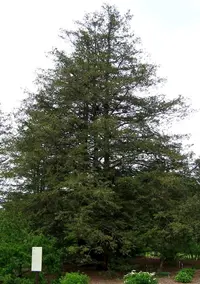
Chamaecyparis pisifera, commonly called Sawara cypress, is a slow-growing evergreen conifer valued for its fine, feathery foliage and graceful form. It is typically grown as a shrub or small tree in gardens and landscapes.
This species originates from Japan, where it grows in cool, moist mountain forests. Many cultivated forms have varied textures and colors, from bright gold to rich blue-green, which makes them useful as focal points or structural background plants.
It is generally considered reliable and long-lived if planted in suitable conditions, but it dislikes poorly drained or very dry soils. To care for Sawara Cypress, provide consistent moisture, good drainage, and a location with adequate light and protection from extreme heat or wind.

Care Difficulty
Moderate Care

Light Preference
Full Sun

Water Requirements
Moderate Water

Temperature Preference
Cold Hardy

Hardiness Zone
4–8

Soil Texture
Sandy, Loamy, Organic-rich

Soil pH
Acidic (5.5–6.5), Slightly acidic (6.5–7.0)

Soil Drainage
Moist but well-drained

Fertilization
Minimal (feed rarely)
Scan your plant to receive care tips personalized for your specific plant
Available on iOS and Android
This conifer prefers consistent outdoor light levels that support dense, healthy foliage.
This species prefers evenly moist, well-drained soil rather than extremes of wet or dry.
This hardy conifer tolerates a wide range of outdoor temperatures, with best growth in moderate conditions.
This species prefers moderate humidity but usually copes well with typical indoor air.
Chamaecyparis pisifera needs evenly moist, well-aerated soil that does not stay waterlogged.
This species can grow successfully in containers when stability and drainage are managed carefully.
This conifer grows well in average soil, but light feeding supports denser growth in Sawara Cypress.
Chamaecyparis pisifera benefits from light, controlled pruning to maintain shape and canopy density.
Sawara cypress is usually grown in the ground, with transplanting more common than frequent repotting.
This species is most reliably propagated from semi-hardwood cuttings taken under controlled conditions.
This conifer is cold hardy in much of the US and usually needs only modest winter care in the ground.

Plant Health Check
Not sure what's wrong with your plant? Check your plant's health inside the app.
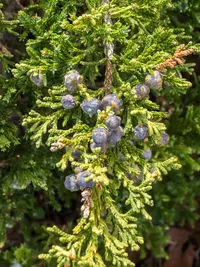
This species develops scale-like foliage and small, globose cones that led botanists to place it among the so‑called false cypresses, distinct from true Cupressus both genetically and in cone structure.
It is native to cool, moist mountain regions of central and southern Honshu in Japan, where it grows on well-drained slopes and ridges rather than in low, wet sites.
The species shows strong natural variation in foliage texture and color, which has allowed breeders to select many ornamental cultivars ranging from fine, threadlike leaves to dense, feathery sprays in gold, blue-green, or variegated forms.

In Japan this tree has long been valued as a timber source for construction and joinery, producing fine-grained, aromatic wood that is light yet durable, which historically made it a regional substitute where the more famous hinoki cypress (Chamaecyparis obtusa) was less available.
Browning foliage often results from drought stress, excess fertilizer salts, or winter windburn. Check soil moisture, flush containers occasionally, and provide wind protection. Avoid heavy pruning into old brown wood, as it may not resprout.
Keep your plants happy and healthy with plant identification, disease detection, and easy care guidance.