Sargent Juniper Care (Juniperus chinensis var. sargentii)

Also known as: Shinpaku
Sargent Juniper

About Sargent Juniper

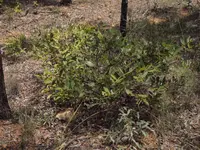
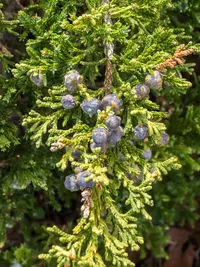
Sargent juniper, Juniperus chinensis var. sargentii, is a low, spreading conifer often used as a groundcover or cascading plant over walls and slopes. It forms dense, horizontal branches with fine, scale-like foliage that ranges from gray-green to blue-green.

This variety originates from East Asia and is commonly grown in temperate landscapes for erosion control and year-round structure. Its slow to moderate growth and durable wood give it good wind and cold resistance.

Sargent juniper is generally easy to grow, as it tolerates poor soil, urban conditions, and periods of drought once established. It prefers full sun, good drainage, and avoids consistently wet sites, which guides how to care for Sargent Juniper.

Main Plant Requirements

Care Difficulty

Easy Care

Light Preference

Full Sun

Water Requirements

Low Water

Temperature Preference

Cold Hardy

Hardiness Zone

4–9

Soil Texture

Sandy, Loamy, Rocky

Soil pH

Acidic (5.5–6.5), Slightly acidic (6.5–7.0)

Soil Drainage

Well-drained

Fertilization

Minimal (feed rarely)

Get Personalized Care Plan

Scan your plant to receive care tips personalized for your specific plant

Available on iOS and Android

How to Care for the Sargent Juniper

This low, spreading conifer performs best in open, sunny locations with unobstructed sky exposure.

  • Provide 6–8 hours of direct sun daily; morning to early afternoon sun is ideal, with some light afternoon shade in hotter regions to reduce foliage scorch.
  • Tolerates light partial shade (around 3–4 hours sun), but growth becomes looser and color duller, especially in humid or warm-summer climates.
  • In winter, full sun improves vigor, but newly planted Sargent Juniper may benefit from temporary wind and sun protection to limit desiccation burn.

This juniper prefers infrequent, deep watering and consistently fast-draining soil.

  • Allow the top 5–8 cm of soil to dry before watering; established landscape plants often need only occasional deep soaking during dry spells.
  • Use sharply drained soil or sloped sites so water does not stand around the root zone; soggy conditions cause root rot, yellowing, and dieback in Juniperus chinensis var. sargentii.
  • In the first growing season, watch foliage and shoots: dull, brittle tips indicate underwatering, while soft, yellowing foliage and a musty soil smell indicate overwatering.

This hardy shrub tolerates a wide temperature range but grows best in moderate conditions.

  • Optimal active growth occurs around 60–80°F (16–27°C), with strong performance in typical outdoor climates across much of the US.
  • Mature plants tolerate winter lows near -20°F (-29°C) when well rooted, but young or newly planted specimens benefit from windbreaks and mulch in colder zones.
  • Heat tolerance is good up to about 95°F (35°C) if soil is well drained; provide extra water during extended heat and avoid reflected heat from walls or pavement.

Humidity is rarely a limiting factor for Sargent Juniper, which adapts well to typical outdoor air conditions.

  • Target 30–50% humidity, which matches most outdoor climates in its hardiness range.
  • This species tolerates dry air and wind, but prolonged hot, dry conditions may brown needle tips.
  • If grown in an unusually dry, exposed site, reduce stress by mulching the root zone to stabilize soil moisture.

Juniperus chinensis var. sargentii prefers mineral, well-aerated soil that never stays waterlogged.

  • Use a sandy or sandy-loam mix built from roughly 50–60% coarse sand or grit, 20–30% loam, and 10–20% fine bark or compost for structure.
  • Ensure very rapid drainage; in heavy native soil, create a raised mound or berm and blend in coarse sand, grit, or small gravel to increase porosity.
  • Aim for slightly acidic to neutral pH around 6.0–7.5, avoiding strongly acidic or clearly alkaline, chalky conditions.
  • Avoid dense clay, peat-heavy potting mixes, or any soil that compacts and reduces air spaces around the roots.

This species is suitable for container growing when given a stable, very free-draining setup.

  • Choose a wide, low container to accommodate its spreading habit and reduce the risk of tipping in wind.
  • Use a heavy material such as ceramic or concrete in exposed sites so the pot anchors the plant as it matures.
  • Elevate the pot on feet or blocks so drainage holes stay clear and runoff exits quickly after rain or irrigation.

Juniperus chinensis var. sargentii needs modest feeding in most garden soils, especially once established.

  • Apply a balanced slow-release fertilizer (such as 10-10-10) at half label rate once in early spring for plants in poorer or sandy soils.
  • Avoid high-nitrogen lawn fertilizers near the root zone, which can cause overly soft, weak growth.
  • Skip additional feeding in midsummer onward, and do not fertilize in winter, to prevent tender growth before cold weather.

Pruning Juniperus chinensis var. sargentii focuses on health and maintaining a low, spreading form.

  • Shape and thin lightly in late winter to early spring before new growth starts.
  • Remove dead, diseased, or damaged branches first, then cut out crossing or heavily crowded shoots.
  • Use sharp bypass pruners and make cuts back to a lateral branch, avoiding cuts into bare, old wood that may not reshoot.
  • Limit yearly removal to small portions of foliage to preserve the plant’s natural habit and vigor.

This juniper is usually grown in the ground, so transplanting is more relevant than container repotting.

  • Plan major moves for late winter to very early spring, before active growth, to reduce stress.
  • Transplant only when growth declines, the plant is poorly placed, or roots circle tightly in a container.
  • Dig a wide root ball, keeping as many fine roots as possible, and replant at the same soil depth in well-drained ground.
  • Water thoroughly after planting, then keep soil evenly moist (not saturated) for the first growing season to support root recovery.

Propagation of Juniperus chinensis var. sargentii is typically done by semi-hardwood cuttings rather than seed.

  • Take semi-hardwood cuttings in late summer to early autumn from healthy, non-flowering shoots.
  • Use 7–10 cm tip cuttings, remove lower foliage, and dip the base in rooting hormone to improve success.
  • Insert cuttings in a well-drained mix of coarse sand and peat or fine bark, keeping the medium just moist.
  • Maintain bright, indirect light and cool conditions; expect slow rooting that may take several months before potting on.

This juniper is generally cold hardy in much of the US and needs minimal winter care once established outdoors.

  • Apply a 5–7 cm mulch layer around the root zone in late fall, keeping it slightly away from the trunk.
  • For new or exposed plants, use burlap screens to reduce drying winter winds and heavy snow load on branches.
  • Container-grown plants benefit from shelter in an unheated but frost-free area or heavy insulation around the pot.

Care Tips

Bank Stabilization

On sloped sites, plant in staggered rows and lightly pin young branches to the soil with biodegradable landscape staples to encourage a dense, root-like mat that stabilizes the bank over time.

Salt And Wind Tolerance

In coastal or roadside locations, lightly hose foliage in early spring to remove accumulated de-icing salt or sea spray, which reduces foliage burn and keeps needles functioning well.

Branch Training

To create an even groundcover, gently weigh down flexible young shoots with smooth stones or landscape pins so they root where they touch soil, filling gaps without additional plants.

Airflow Under Shrubs

When planting near taller shrubs or structures, space it so mature branches do not press tightly against other plants or walls, which improves airflow and reduces risk of foliar disease when caring for Sargent Juniper.

Winter Load Management

In regions with heavy, wet snow, use a soft broom to gently push snow off the foliage after storms to prevent branch splaying or breakage, especially on older, wide-spreading plants.

Common Pests and Diseases

Juniper blight

This disease causes browning and dieback of shoot tips, often starting on lower branches and moving inward. Symptoms include reddish-brown, then gray needles that stay attached, with distinct dead tips on otherwise green branches.

Solution

Prune out all infected shoots 15–20 cm below the discolored area during dry weather and disinfect tools between cuts. Improve spacing and airflow, avoid overhead watering, and apply a juniper-labeled fungicide in early spring if the plant has a history of blight, following local Juniperus chinensis var. sargentii care instructions.

Cedar-apple rust

This disease produces orange to rust-brown spots or swellings on juniper twigs that may develop gelatinous orange galls in wet weather. Symptoms include thinning foliage near infected areas and slow decline over time if infections are heavy.

Solution

Prune and dispose of galls and swollen or discolored twig sections as soon as they are noticed, and remove any heavily disfigured branches. Where possible, avoid planting susceptible apples or crabapples nearby, and use a rust-targeting fungicide labeled for junipers at bud-break and during wet spring periods if rust is a recurring issue.

Spider mites

These pests feed on needles, causing a dull, gray-green or bronzed look and fine webbing along stems, especially in hot, dry weather. Symptoms include stippled foliage that may drop prematurely if populations are high.

Solution

Spray foliage thoroughly with a strong stream of water every few days to knock mites off and reduce dust, focusing on inner branches. If infestation persists, use a horticultural oil or insecticidal soap labeled for mites, applied in the morning or evening to avoid leaf burn and repeated as directed on the label.

Juniper scale

This pest appears as tiny white or grayish bumps on needles and twigs that do not move, leading to yellowing, thinning, and eventual dieback of affected branches. This pest weakens plants over time by sucking sap from the foliage.

Solution

Clip out and discard badly infested branch tips and gently scrub accessible branches with a soft brush to remove scales where practical. For active crawlers in late spring, treat with horticultural oil or an appropriate systemic insecticide labeled for scale on conifers, and monitor yearly for reinfestation.

Phomopsis tip blight

This disease primarily attacks young shoot tips, which turn light green, then brown and die back, often forming a distinct line between dead and healthy tissue. This disease is most severe on new growth of young or recently transplanted plants under humid conditions.

Solution

Remove and discard all infected shoot tips, cutting back into healthy wood and cleaning pruning tools often. Reduce overhead irrigation, increase sun and airflow when possible, and apply a registered fungicide targeting Phomopsis on junipers at bud break and repeated through the main flush of new growth if infections recur annually.

Interesting Facts

Natural coastal groundcover

This variety typically grows low and spreading rather than upright, forming dense mats that naturally stabilize coastal slopes and sandy banks in its native East Asian habitats.

High salt and wind tolerance

Populations along seashores tolerate salt spray and strong winds better than many other junipers, which is why it is widely used in seaside plantings and exposed urban sites.

Genetic link to bonsai forms

Although this variety is not the classic bonsai juniper, it has been used in breeding and selection work that contributed traits like compact foliage and flexible branches valued in ornamental and bonsai cultivars of Chinese juniper.

Botan icon

Did you know?

In some Japanese coastal protection plantings, long-lived stands of this variety have been intentionally managed for decades as living windbreak carpets, with individual clones slowly expanding outward rather than upward to form continuous protective cover over dunes and embankments.

FAQs about Sargent Juniper

This species performs best outdoors in full sun and open air. Indoors, low light, dry heated air, and poor air circulation weaken growth and increase pest problems. Sargent Juniper indoor care is generally considered difficult and short‑lived.

Grow Healthy Plants with Botan Care

Keep your plants happy and healthy with plant identification, disease detection, and easy care guidance.

Botan plant care app — identify plants on mobile

Explore More Plants