Mongolian Lime Care (Tilia mongolica)

Also known as: Mongolian Linden
Mongolian Lime

About Mongolian Lime

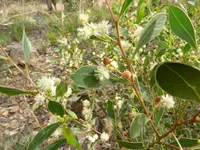
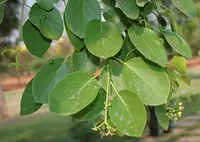
Mongolian lime, Tilia mongolica, is a small deciduous tree known for its finely toothed, small leaves and dense, elegant branching. It forms a compact, rounded crown that suits smaller gardens and urban landscapes.

This species is native to northern China and Mongolia, where it grows in cool temperate climates. Its tough nature, cold tolerance, and relatively slow, manageable growth habit make it moderately easy to grow in suitable conditions.

The tree prefers full sun to light shade, with evenly moist, well-drained soil. Once established, understanding how to care for Mongolian Lime mainly involves providing consistent moisture and avoiding prolonged drought or waterlogged ground.

Main Plant Requirements

Care Difficulty

Moderate Care

Light Preference

Full Sun

Water Requirements

Moderate Water

Temperature Preference

Cold Hardy

Hardiness Zone

4–7

Soil Texture

Loamy, Sandy, Clay

Soil pH

Acidic (5.5–6.5), Slightly acidic (6.5–7.0)

Soil Drainage

Moist but well-drained

Fertilization

Minimal (feed rarely)

Get Personalized Care Plan

Scan your plant to receive care tips personalized for your specific plant

Available on iOS and Android

How to Care for the Mongolian Lime

This small deciduous tree grows best with ample direct light but tolerates some shade, especially in warmer regions.

  • Provide 6–8 hours of direct sun daily, ideally with morning sun and some light afternoon shade in hotter climates to prevent leaf scorch.
  • Allow partial shade (3–4 hours of direct sun) in summer; growth may be slightly slower but foliage stays cooler and less stressed.
  • In dense shade, expect sparse branching and smaller leaves; improve light by thinning nearby trees or positioning Mongolian Lime at the edge of a canopy.

This species prefers evenly moist, well-drained soil and responds best to watering guided by soil conditions, not a rigid schedule.

  • Check the top 3–5 cm of soil; water deeply when this layer feels dry, ensuring moisture penetrates 20–30 cm into the root zone.
  • In the first 2–3 growing seasons, monitor weekly in dry weather; mature Tilia mongolica tolerates short dry spells but not prolonged drought.
  • Avoid standing water or heavy clay that stays wet; yellowing leaves and soft new growth suggest overwatering, while crisp edges and drooping indicate underwatering.

This hardy temperate tree tolerates cold winters but grows most actively in moderate, stable temperatures.

  • Optimal growth occurs around 60–75°F (16–24°C) during the growing season, supporting steady shoot and leaf development.
  • Dormant trees withstand winter lows near -20°F (-29°C) once established, though young plants benefit from mulch over the root zone in colder areas.
  • Heat tolerance is moderate; during extended periods above 90°F (32°C), provide soil mulch and sufficient moisture to limit heat stress and leaf scorch.

This species handles a wide humidity range and rarely needs special humidity management outdoors.

  • Optimal humidity is around 40–60%, which is typical for most outdoor temperate climates and unmodified home environments.
  • Leaves may show browning tips and marginal scorch in prolonged very dry, hot winds combined with drought stress rather than low humidity alone.
  • To lessen drying winds in exposed sites, use windbreaks or group plantings, and keep soil evenly moist so foliage tolerates drier air better.

Tilia mongolica grows best in deep, moisture-retentive but free-draining mineral soils.

  • Use a loamy soil with a mix of mineral particles and organic matter so roots have both moisture and air spaces.
  • Aim for slightly acidic to neutral pH, roughly 6.0–7.5, to support nutrient availability and balanced root growth.
  • In heavy clay, incorporate compost and coarse sand or fine gravel in the top 20–30 cm to improve structure, aeration, and drainage.
  • Avoid compacted, waterlogged, or extremely shallow soils, which restrict rooting and increase risk of root rot and windthrow.

This tree can be grown in containers only for the short to medium term, as roots need substantial space with age.

  • Choose a large, heavy container to stabilize the plant against wind, since the crown becomes relatively top-heavy as it matures.
  • Use a deep pot to accommodate a developing woody root system and prevent circling roots that reduce long-term stability.
  • Select a gritty, free-draining mix and raise the pot slightly off the ground so drainage holes remain unobstructed after watering.

Tilia mongolica grows steadily with modest feeding, especially in its early establishment years.

  • Use a balanced slow-release fertilizer (for example 10-10-10) or well-rotted compost in early spring around the root zone.
  • Apply once per year in the ground, or every 6–8 weeks for container-grown young trees during the growing season.
  • Reduce or stop feeding in fall and winter when growth slows or stops, to avoid soft, frost-prone shoots.
  • For liquid feeds on potted specimens, dilute to half strength and water onto moist soil, not dry roots.

Pruning Tilia mongolica focuses on structure, safety, and light penetration rather than heavy shaping.

  • Carry out main pruning in late winter or very early spring before bud break, when branch structure is visible.
  • Remove dead, diseased, crossing, or storm-damaged wood first, cutting back to a healthy outward-facing bud or branch collar.
  • Thin crowded inner branches to improve airflow and light, helping reduce fungal problems and maintaining a balanced crown.
  • Use sharp, clean bypass pruners or a pruning saw, making smooth cuts that do not tear bark.

This species is usually grown in the ground, so focus on correct transplanting rather than frequent repotting.

  • Transplant young trees in late fall or early spring while dormant, when soil is workable and moisture is reliable.
  • Look for signs such as roots circling the container, water sitting on the surface, or stalled growth as cues to move it up a size.
  • Loosen and tease out circling roots gently, trim broken ones cleanly, and set the root flare level with the surrounding soil.
  • Water deeply after transplanting, apply 5–8 cm of mulch around but not against the trunk, and keep soil evenly moist during the first season.

Tilia mongolica is usually propagated by seed or softwood cuttings in specialist or nursery settings.

  • Collect ripe seeds in fall, then use cold stratification at 34–41°F for several weeks to break dormancy before spring sowing.
  • Sow seeds in a free-draining, low-nutrient mix, cover lightly, and keep evenly moist in bright, indirect light.
  • For softwood cuttings, take non-flowering shoots in late spring to early summer, 10–15 cm long with several nodes.
  • Dip cut bases in rooting hormone, insert into a sterile, moist medium, and maintain high humidity and bottom warmth for rooting.

This hardy deciduous tree tolerates typical temperate winters and usually needs minimal special winter care.

  • Established in-ground trees withstand frost well once properly rooted and sited in suitable climate zones.
  • Apply a 5–8 cm mulch layer over the root zone in late fall to moderate soil temperature and reduce freeze–thaw stress.
  • For young or container-grown trees, shelter pots from severe wind and consider moving them against a building or into an unheated garage.

Care Tips

Wind‑resilient training

In the first 3–5 years, stake the young tree on the windward side and use soft, flexible ties, then gradually loosen and remove the stake to encourage a strong, tapered trunk that resists storm damage.

Root flare protection

Keep the root flare visible by brushing away excess mulch and soil from the trunk base once a year, which reduces rot risk and improves gas exchange for the upper roots.

Canopy lift planning

Plan for eventual clearance by selectively removing or shortening only a few of the lowest branches every 2–3 years, rather than making large cuts later, to create a balanced, high canopy with minimal stress.

Soil compaction control

Limit foot traffic and heavy equipment within the drip line, and if the soil becomes compacted, use a garden fork to create deep vertical holes between roots, then top-dress with compost to improve aeration.

Pollinator‑friendly underplanting

Underplant with low, shallow‑rooted perennials or groundcovers instead of lawn directly around the trunk to reduce mower damage, conserve soil moisture, and support beneficial insects that help when caring for Mongolian Lime.

Common Pests and Diseases

Linden aphids

This pest feeds on young leaves and shoots, causing leaf curling, distortion, and sticky honeydew that can lead to sooty mold on leaves and surfaces below the tree.

Solution

Manage by spraying the canopy with a firm stream of water to dislodge colonies, encouraging natural predators such as lady beetles, and, for heavier infestations, applying a targeted insecticidal soap or horticultural oil to the undersides of leaves according to label directions.

Linden spider mites

These insects are tiny sap-suckers that cause fine stippling, a dull or bronzed appearance of leaves, and may leave fine webbing, especially during hot, dry weather.

Solution

Control by increasing humidity around smaller trees with regular hosing of foliage, thoroughly washing leaf undersides to remove mites, and using horticultural oil or a miticidal soap during active periods if monitoring shows populations building.

Linden leaf miner

This pest tunnels between leaf surfaces, producing pale, winding or blotchy mines that can cause early leaf drop when populations are high.

Solution

Reduce damage by removing and disposing of heavily mined fallen leaves, monitoring for the first signs of mines in spring, and applying a systemic insecticide only if repeated severe damage is documented and local regulations allow its use.

Powdery mildew

This disease appears as white to gray powdery patches on leaf surfaces, sometimes leading to distorted, yellowing foliage later in the season.

Solution

Limit spread by improving airflow with appropriate branch thinning, avoiding overhead watering in the evening, removing heavily infected leaves, and, in repeated severe cases, using a labeled fungicide early in the season as part of broader Tilia mongolica plant care.

Verticillium wilt

This disease is caused by a soilborne fungus that blocks water movement in the tree, leading to sudden wilting, yellowing, and dieback in individual branches, often on one side of the crown first.

Solution

There is no cure, so management focuses on pruning out affected branches back to healthy wood, disinfecting tools between cuts, reducing other stress with proper watering and mulching, and avoiding planting other Verticillium-sensitive species in the same soil if the tree declines and must be removed.

Interesting Facts

Distinctive cut foliage

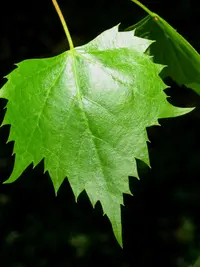
This species has deeply lobed, almost maple-like leaves with sharply serrated margins, which is unusual within the genus Tilia and makes it easy to distinguish from other limes with more heart-shaped leaves.

High cold tolerance

Tilia mongolica is naturally distributed in northern China and Mongolia and shows strong tolerance to low winter temperatures, which is why it is used as an ornamental tree in colder urban climates.

Early introduction to Europe

Seeds of this species were sent from northern China to Europe in the late 19th century, and it soon became valued in botanical gardens and arboreta for its compact size and distinctive foliage, influencing later interest in Tilia mongolica care instructions for ornamental planting.

Botan icon

Did you know?

Unlike many other linden species, Tilia mongolica typically remains a relatively small tree with a narrow crown, which has led to its use in specialized collections and streetscapes where space is limited, especially in colder regions.

FAQs about Mongolian Lime

This species has a moderate growth rate. Young trees usually add 25–40 cm in height per year under good conditions. Growth slows as it matures, especially in cooler climates or on dry, shallow, or compacted soils.

Grow Healthy Plants with Botan Care

Keep your plants happy and healthy with plant identification, disease detection, and easy care guidance.

Botan plant care app — identify plants on mobile

Explore More Plants