Kousa dogwood Care (Cornus kousa)

Also known as: kousa, Korean dogwood, Japanese dogwood, Chinese Dogwood, Snow Tower
Kousa dogwood

About Kousa dogwood

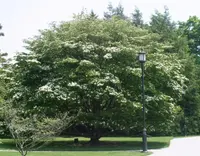
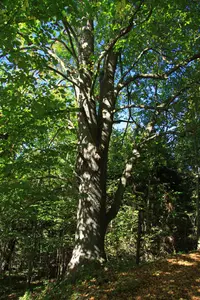
Kousa dogwood, Cornus kousa, is a small flowering tree or large shrub valued for its layered branching, showy star-shaped bracts, and attractive red fruit. It typically has a rounded, graceful form and develops good red to purple fall color, adding interest through several seasons.

This species is native to East Asia, especially China, Japan, and Korea, and is widely used as an ornamental landscape tree in temperate gardens. It is generally regarded as easier to grow than many flowering dogwoods due to better disease resistance and adaptability.

Kousa dogwood prefers sun to light shade, evenly moist but well-drained soil, and benefits from a sheltered spot, which simplifies how to care for Kousa dogwood.


Main Plant Requirements

Care Difficulty

Moderate Care

Light Preference

Partial Sun

Water Requirements

Moderate Water

Temperature Preference

Cold Hardy

Hardiness Zone

5–8

Soil Texture

Loamy, Sandy, Organic-rich

Soil pH

Acidic (5.5–6.5), Slightly acidic (6.5–7.0)

Soil Drainage

Moist but well-drained

Fertilization

Minimal (feed rarely)

Get Personalized Care Plan

Scan your plant to receive care tips personalized for your specific plant

Available on iOS and Android

How to Care for the Kousa dogwood

This small flowering tree prefers bright outdoor conditions with protection from harsh extremes for best flowering and foliage color.

  • Provide 4–6 hours of direct morning sun with light afternoon shade; avoid full, exposed afternoon sun in hot climates to reduce leaf scorch.
  • Tolerates partial shade, especially in hotter regions, but flowering and fall color decline if it receives less than about 3–4 hours of direct sun.
  • In cooler climates it can handle near full sun; monitor leaves in summer and add filtered shade if edges brown or foliage wilts during heat waves.

This species prefers consistently moist, well-drained soil rather than cycles of drought and saturation.

  • Water when the top 3–5 cm of soil feels dry, soaking the root zone deeply rather than giving frequent shallow watering, especially during the first 2–3 years after planting.
  • Reduce watering frequency in cool, rainy seasons; in summer dry spells, check soil every few days and irrigate if it feels dry beyond the top 5 cm.
  • Watch for overwatering signs such as yellowing leaves and soft stems, and underwatering signs such as drooping, crisp leaf edges, and premature leaf drop in Cornus kousa.

This hardy tree manages a wide temperature range but grows best in moderate climates with distinct seasons.

  • Ideal growing temperatures during the active season are around 60–80°F (16–27°C), supporting steady shoot growth and flower development.
  • Mature trees tolerate winter lows near -10°F to -20°F (-23 to -29°C) in dormancy, but young plants benefit from mulch over the root zone to buffer freeze–thaw cycles.
  • In summer heat above 90°F (32°C), provide soil moisture and afternoon shade to limit stress, leaf scorch, and early leaf drop on Cornus kousa.

This species grows well in typical outdoor humidity and rarely needs special adjustment.

Cornus kousa prefers moist, well-structured soil that holds water yet drains freely.

  • Use a loamy soil with a mix of mineral particles and organic matter to support steady moisture without compaction.
  • Aim for slightly acidic to neutral pH around 5.5–7.0, incorporating leaf mold or compost to buffer extremes.
  • Improve drainage and aeration by blending in pine bark fines and a small amount of coarse sand or perlite.
  • Avoid heavy, waterlogged clay and sites where water pools after rain, which promote root rot and poor establishment.

This species can be grown in large containers for several years but stays healthier when roots are not cramped.

  • Choose a deep, wide, heavy container to provide root run and prevent the tall canopy from tipping in wind.
  • Use a chunky, bark-based mix in containers to keep the root zone aerated while still holding consistent moisture.
  • Place the pot where it will not overheat on paved surfaces, which can cause the root zone to dry and stress quickly.

This small tree benefits from light, balanced feeding but often thrives in decent garden soil with minimal input.

  • Apply a balanced slow-release fertilizer (around 10-10-10) once in early spring for established Kousa dogwood in nutrient-poor soil.
  • Use a thin layer of compost over the root zone each spring to improve soil structure and gentle nutrient supply.
  • During the growing season, avoid additional high-strength feeds; overfertilization can reduce flowering and stress roots.
  • Do not fertilize during winter dormancy; stop feeding by late summer so new growth hardens before cold weather.

Pruning Cornus kousa is usually light and focuses on health and structure rather than heavy reshaping.

  • Best time is late winter to very early spring, before new growth starts, to clearly see the branch framework.
  • Remove dead, diseased, or damaged wood first, cutting back to healthy tissue with clean, sharp bypass pruners.
  • Thin out crossing or crowded interior branches to improve airflow and light penetration, keeping the natural layered form.
  • Limit cuts on young trees to minor shaping so flowering spurs and the characteristic horizontal branching develop well.

This species is most often grown in the ground, so guidance focuses on transplanting rather than long-term container culture.

  • Transplant in late fall or very early spring when the tree is dormant to reduce stress and improve establishment.
  • Look for signs such as roots circling the nursery container or slow, weak shoot growth indicating it has outgrown its pot.
  • Move into a hole 2–3× wider than the root ball, keeping the root flare at soil level and backfilling with native soil.
  • Water deeply after planting, then keep soil evenly moist for the first growing season and mulch 5–8 cm to protect roots.

Cornus kousa can be propagated, but success is moderate and methods are usually used by more committed gardeners or nurseries.

  • Take semi-hardwood cuttings in mid to late summer, using 10–15 cm shoots with several nodes and removing lower leaves.
  • Dip cut ends in rooting hormone, then place in a well-drained, sterile medium under high humidity and bright, indirect light.
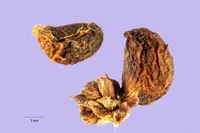
  • Use seeds from ripe fruit, cleaned and cold stratified for several months in moist medium at about 34–41°F to break dormancy.
  • Simple layering of a low, flexible branch in spring, with a wounded section pinned and buried, often roots within a season.

This tree is generally cold hardy in much of the US and needs only modest winter care in the landscape.

  • Established plants tolerate typical winter frost in USDA zones around 5–8 without special covering.
  • Apply 5–8 cm of mulch over the root zone in late fall, keeping it slightly away from the trunk to limit rot.
  • Young or container-grown trees benefit from a sheltered site out of harsh wind and from wrapping pots or moving them into an unheated garage.

Care Tips

Choose grafted stock

Select nursery trees that are grafted onto vigorous rootstocks and have a clear graft union above soil level, as this usually provides better disease resistance and more predictable growth than seedling plants when growing Kousa dogwood.
Establish strong framework

In the first 3–5 years, remove competing leaders and lightly thin crowded interior branches in late winter to develop a single main trunk with 4–6 well-spaced scaffold branches for a stable, attractive canopy.

Protect trunk bark

Install a breathable, light-colored trunk guard on young trees and avoid string trimmers around the base to prevent bark damage that can lead to canker and slow decline.

Mulch ring management

Maintain a 5–10 cm deep mulch ring that is wide but not touching the trunk, and renew it yearly to keep roots cool, reduce mower damage, and limit competition from turf around the root zone.

Monitor for borers

Inspect the trunk and main branches twice a year for small exit holes, sawdust-like frass, or oozing sap, and if found, prune out affected wood promptly and reduce plant stress through proper watering to limit borer build-up.

Common Pests and Diseases

Dogwood anthracnose

This disease causes tan to brown leaf spots that often enlarge, leading to blighted leaves and dieback of twigs, especially in cool, wet spring weather. Symptoms include lower branches thinning first and cankers forming on stems.

Solution

Prune and destroy infected leaves and twigs during dry weather, cutting several inches below visible damage. Improve air circulation by thinning crowded branches, avoid overhead irrigation, and apply a labeled fungicide at bud break and through wet periods if the disease has been severe in previous years.

Powdery mildew

This disease produces a white, powdery coating on upper leaf surfaces, which may cause leaf curling, distortion, and reduced vigor. Symptoms include worst infections in shaded, humid, or poorly ventilated sites.

Solution

Increase sunlight and airflow by selective pruning and proper spacing, and avoid excessive nitrogen fertilization that encourages lush, susceptible growth. Rake and discard fallen leaves, and use a registered fungicide for powdery mildew at the first sign of symptoms if cultural measures are not sufficient.

Dogwood borer

This pest is the larval stage of a clearwing moth that tunnels into trunks and lower branches, causing sawdust-like frass, bark cracking, and branch dieback. Symptoms include weak growth and sometimes sudden breakage at infested points.

Solution

Keep the tree healthy by avoiding mechanical injury from lawn equipment and by preventing sunscald on young trunks with tree guards. For active infestations, consult a licensed arborist to time a trunk and lower-branch insecticide spray to adult moth flight, and prune out and dispose of heavily damaged wood where practical.

Scales

These insects appear as small, immobile bumps on stems and sometimes leaves, feeding on sap and causing yellowing foliage, reduced vigor, and sticky honeydew on nearby surfaces. This pest often attracts sooty mold, which blackens leaves and twigs.

Solution

Prune and discard heavily infested twigs and gently scrub remaining scales from small branches with a soft brush and mild soapy water. Encourage natural predators, and if populations remain high, apply a dormant-season horticultural oil to smother overwintering stages, followed by a light summer oil spray when crawlers are active.

Leaf spot (Septoria)

This disease produces numerous small, purplish to brown spots on leaves that may coalesce and cause partial defoliation, especially in wet summers. Symptoms include heavier spotting on lower, inner foliage where drying is slow.

Solution

Rake and remove fallen leaves to reduce the source of spores, and water at the soil level rather than over the canopy. Improve air movement through careful thinning, and in severe, recurring cases use a labeled foliar fungicide in early spring as new leaves emerge, following product directions closely for Cornus kousa care instructions.

Interesting Facts

Inverted flowering sequence

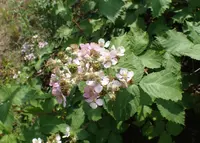
Unlike the North American flowering dogwood, this species opens its true flowers only after the showy white or pink bracts have fully expanded, giving the tree a layered, almost tiered look in late spring to early summer.

Edible strawberry-like fruit

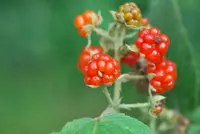
The plant produces round, red, bumpy drupes in late summer to fall that resemble small strawberries; the soft inner pulp is edible and sweet, while the skin is usually discarded due to its tougher texture.

High anthracnose resistance

This species shows notable resistance to dogwood anthracnose, a serious fungal disease that severely affects many native dogwoods, which is one reason it is widely used in breeding programs and modern Cornus kousa plant care recommendations.

Botan icon

Did you know?

The wood of this species is very dense and fine-grained for a small ornamental tree, and in its native East Asian range it has historically been used for making tool handles and small precision items where hardness and durability are important.

FAQs about Kousa dogwood

Lack of flowers is usually due to too much shade, recent transplanting, or heavy pruning that removed flowering wood. Drought stress or excess nitrogen fertilizer can also reduce buds. Consistent moisture and minimal pruning help restore normal flowering.

Grow Healthy Plants with Botan Care

Keep your plants happy and healthy with plant identification, disease detection, and easy care guidance.

Botan plant care app — identify plants on mobile

Explore More Plants