Mexican orange Care (Choisya ternata Sundance)

Mexican orange

About Mexican orange

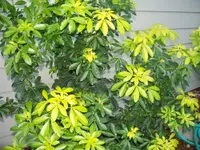
Mexican orange, especially the golden-leaved Choisya ternata 'Sundance', is an evergreen shrub valued for its bright foliage and fragrant white flowers. It forms a dense, rounded shape that fits well in mixed borders, hedges, or as a focal shrub near patios and paths.

This plant is native to Mexico and the southwestern United States, where it grows in warm, sunny, well-drained sites. It is generally easy to grow, with good tolerance of pruning and moderate drought once established.

For those learning how to care for Mexican orange, it usually performs best in full sun to light shade, in reasonably fertile, free-draining soil with regular moisture but no prolonged waterlogging.

Main Plant Requirements

Care Difficulty

Easy Care

Light Preference

Partial Sun

Water Requirements

Moderate Water

Temperature Preference

Cool Climate

Hardiness Zone

7–10

Soil Texture

Sandy, Loamy, Organic-rich

Soil pH

Slightly acidic (6.5–7.0), Neutral (7.0)

Soil Drainage

Moist but well-drained

Fertilization

Minimal (feed rarely)

Get Personalized Care Plan

Scan your plant to receive care tips personalized for your specific plant

Available on iOS and Android

How to Care for the Mexican orange

Choisya ternata 'Sundance' performs best in bright conditions that balance sun and protection from harsh heat.

  • Provide 4–6 hours of direct morning sun with light or dappled shade in the afternoon to protect the golden foliage.
  • Tolerates partial shade, but Mexican orange becomes looser and less floriferous if it receives under 3–4 hours of direct light.
  • In hot summers, shield from strong midday sun with nearby taller plants or a fence to reduce leaf scorch and fading.

Choisya ternata 'Sundance' prefers evenly moist, well-drained soil rather than frequent, shallow watering.

  • Before watering established shrubs, let the top 3–5 cm of soil dry; check by pushing a finger or trowel into the root zone.
  • In the first growing season, water deeply when the soil feels dry at that depth; in later years, water mainly during prolonged summer droughts.
  • Yellowing leaves and soft stems suggest overwatering or poor drainage, while drooping, dry leaf tips and curling edges indicate underwatering.

This shrub is hardy but grows best within moderate temperatures that avoid prolonged extremes.

  • Optimal growth occurs around 60–75°F (16–24°C), with steady spring and early summer warmth encouraging new foliage and flowers.
  • Mature plants typically tolerate down to about 10–15°F (-12 to -9°C); in colder regions, shelter from icy winds and avoid frost pockets.
  • Choisya ternata 'Sundance' handles short heat spells up to about 90°F (32°C) if soil is moist and mulched, but extended extreme heat can stress foliage.

Choisya ternata Sundance grows well in typical home and outdoor humidity and rarely needs special humidity management.

  • Target 40–60% humidity, which matches most homes and sheltered patios in mild climates.
  • This shrub tolerates short periods of drier air better than many flowering shrubs, so Mexican orange usually does not need misting.
  • If leaf tips brown while soil moisture is correct, increase local humidity slightly with nearby plants or a small water tray.

Choisya ternata Sundance prefers freely draining, moderately fertile soil that does not stay waterlogged.

  • Use a loamy or sandy-loam structure with 20–30% compost to provide organic matter without becoming heavy.
  • Ensure very sharp drainage; on heavy clay, plant on a mound and incorporate coarse sand or fine gravel into the top 20–30 cm.
  • Aim for slightly acidic to neutral pH, roughly 6.0–7.5, avoiding strongly alkaline or very acidic conditions that reduce nutrient availability.
  • Avoid compacted, boggy, or peat-only mixes; add grit or bark fines to improve aeration around the root zone.

This shrub is suitable for container growing when the pot is large and very stable.

  • Choose a deep, wider-than-tall container to keep the root ball anchored against wind and top-heavy growth.
  • Select a thick-walled terracotta or concrete pot if placed outdoors, as heavier materials reduce tipping and allow excess moisture to evaporate.
  • Raise the container on pot feet so drainage holes stay clear and water cannot pool under the base after rain or irrigation.

Choisya ternata Sundance benefits from modest feeding to support foliage color and flowering in most garden soils.

  • Apply a balanced slow-release fertilizer (around 10-10-10) once in early spring as new growth starts.
  • Top-dress with compost or well-rotted manure in spring to improve soil structure and nutrient supply.
  • During the growing season, optional liquid feed at 1/2 strength every 4–6 weeks can support container-grown Mexican orange.
  • Stop feeding in late summer so new growth can harden before winter, and avoid fertilizing in winter.

Choisya ternata Sundance responds well to light, timed pruning that maintains shape and flowering performance.

  • Carry out main pruning just after flowering in late spring or early summer.
  • Use clean, sharp hand pruners to remove dead, damaged, or crossing stems back to healthy growth.
  • Thin congested shoots to open the center, improving light penetration and air flow.
  • Lightly shorten long or leggy stems to keep a compact, rounded form and encourage fresh shoots.

This shrub is usually grown in the ground, so focus on careful transplanting and occasional container adjustment when needed.

  • Transplant or shift containers in early spring or early fall when temperatures are mild.
  • Look for roots circling the pot drainage holes, drying out quickly, or noticeably slow growth as signs it needs a larger container.
  • Move up only 1–2 pot sizes, gently loosening outer roots and setting the plant at the same soil level in fresh, free-draining mix.
  • Water thoroughly after transplanting and shade from strong sun for 3–7 days to reduce root stress and support recovery.

Choisya ternata Sundance is most commonly propagated from semi-ripe stem cuttings taken in warm months.

  • Take 7–10 cm semi-ripe cuttings in mid to late summer from non-flowering shoots.
  • Remove lower leaves, optionally dip the base in rooting hormone, and insert into a free-draining mix of sand and peat-free compost.
  • Maintain bright, indirect light, high humidity, and a stable temperature around 65–75°F for rooting.
  • Layering low, flexible stems in spring is an alternative method where cuttings are unreliable.

This shrub is moderately cold hardy but benefits from simple winter care in colder regions to prevent damage.

  • Choisya ternata Sundance generally tolerates light frosts but may suffer leaf scorch or dieback in prolonged freezes.
  • Apply a 5–8 cm mulch around the root zone in late fall, keeping it slightly away from the stems.
  • In colder areas, wrap young plants or container specimens with horticultural fleece during hard frosts.
  • Move containers to a sheltered, unheated spot such as a cold frame or against a south-facing wall for extra protection.

Care Tips

Shelter From Wind

Position plants where buildings, fences, or taller shrubs break prevailing winds, as reduced wind exposure keeps the evergreen foliage from desiccating and prevents branches from snapping in winter storms.

Layered Mulch Ring

Maintain a 5–8 cm mulch ring that stops 5 cm short of the stems to conserve moisture, suppress weeds, and keep the shallow root system cool and protected from soil temperature swings.

Selective Stem Thinning

Every 2–3 years, remove 1–3 of the oldest stems right at the base after flowering to open the shrub’s interior, which improves light penetration, airflow, and long-term flowering performance.

Soft Tip Training

In the first 2–3 seasons, lightly pinch back only the very soft shoot tips after flowering to encourage a dense, dome-shaped habit rather than tall, open, leggy growth when growing Mexican orange as a feature shrub.

Root Zone Protection

In regions with colder winters, protect the root zone with a thicker winter mulch layer and avoid digging or planting directly under the canopy, since this species has fine, surface-feeding roots that are easily disturbed.

Common Pests and Diseases

Leaf spot

This disease causes brown, purple, or black spotting on leaves, sometimes with yellow halos and premature leaf drop. Symptoms include a patchy, tired-looking canopy, especially after prolonged wet weather.

Solution

Prune out and dispose of affected leaves and any dead twigs, then thin dense growth slightly to improve airflow and faster drying. Avoid overhead watering, keep mulch away from the stem base, and if spotting is severe, apply a labeled ornamental shrub fungicide in cool, dry weather following the product directions.

Aphids

These insects cluster on young shoots and leaf undersides, sucking sap and causing distorted new growth, sticky honeydew, and sometimes sooty mold. This pest is often most visible on soft spring flushes of foliage and flower buds.

Solution

Spray affected shoots with a strong jet of water to dislodge colonies, then use insecticidal soap or a ready-to-use horticultural oil, coating leaf undersides and shoot tips. Repeat treatments every 5–7 days until populations are reduced, and encourage natural predators such as lady beetles by avoiding broad-spectrum insecticides nearby.

Scale insects

These insects appear as small, dome-shaped or flat bumps on stems and sometimes leaves, leading to yellowing foliage, poor growth, and honeydew deposits. This pest is often overlooked because the insects are immobile and resemble part of the bark.

Solution

Prune out heavily infested stems and gently scrape or rub off accessible scales with a gloved finger or soft brush. For lighter infestations, apply horticultural oil during the dormant season to smother overwintering stages, then follow up in the growing season with spot treatments of insecticidal soap or oil, focusing on young crawlers.

Leaf scorch

Symptoms include yellowing, bronzing, or browning of leaf edges and tips, often on the sunniest or windiest side of the plant, with leaves sometimes dropping prematurely. This problem is more common in hot, drying wind or when soil moisture fluctuates between very dry and very wet.

Solution

Provide consistent soil moisture with deep, infrequent watering and a 5–8 cm layer of organic mulch, keeping mulch slightly back from the stems. In hotter climates, consider light afternoon shade or a windbreak, and avoid heavy fertilization or root disturbance, which can stress the shrub and increase scorch.

Interesting Facts

Naturally compact habit

This cultivar stays notably smaller and denser than typical Choisya ternata, forming a rounded, dome‑like shrub that often needs little or no pruning to maintain shape in gardens.

Cold tolerance for a subtropical

Despite its origin from milder Mexican climates, this selection can withstand brief drops close to 10–15°F in sheltered sites, which makes growing Mexican orange possible in many temperate regions with winter protection.

Scented foliage chemistry

The foliage contains aromatic oil glands that release a strong citruslike scent when touched, due to a mix of volatile compounds similar to those found in true citrus species.

Botan icon

Did you know?

The golden foliage color of this cultivar is genetically stable but still light‑sensitive, so leaves develop their brightest yellow tones in full sun and gradually shift toward yellow‑green in shadier positions, creating a natural color gradient across a single plant depending on light exposure.

FAQs about Mexican orange

Lack of blooms often comes from pruning at the wrong time, heavy shade, or nutrient imbalance. Prune right after flowering, avoid hard cuts in late summer, provide moderate feeding, and ensure at least bright, open conditions.

Grow Healthy Plants with Botan Care

Keep your plants happy and healthy with plant identification, disease detection, and easy care guidance.

Botan plant care app — identify plants on mobile

Explore More Plants