dune myrtle Care (Eugenia capensis)

dune myrtle

About dune myrtle

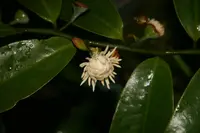
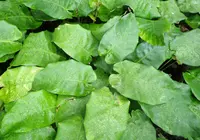
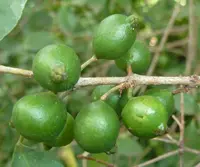
Dune myrtle (Eugenia capensis) is an evergreen shrub or small tree from southern Africa, often forming dense, rounded bushes in coastal and dry habitats. It has small, glossy leaves and produces white flowers followed by dark, edible berries that attract birds. Growth is generally moderate, and the plant tolerates pruning well, which makes it suitable for hedging or shaping in gardens. It copes with wind, salt spray, and short dry spells, so it is considered relatively tough once established. For those learning how to care for dune myrtle, it prefers bright light, well-drained soil, and steady but not excessive moisture.

Main Plant Requirements

Care Difficulty

Moderate Care

Light Preference

Full Sun

Water Requirements

Moderate Water

Temperature Preference

Warm Climate

Hardiness Zone

9–11

Soil Texture

Sandy, Loamy, Organic-rich

Soil pH

Acidic (5.5–6.5), Slightly acidic (6.5–7.0)

Soil Drainage

Well-drained

Fertilization

Minimal (feed rarely)

Get Personalized Care Plan

Scan your plant to receive care tips personalized for your specific plant

Available on iOS and Android

How to Care for the dune myrtle

Eugenia capensis prefers bright, stable light to form dense foliage and compact growth.

  • Provide 4–6 hours of direct morning sun with light afternoon shade; dune myrtle tolerates partial shade but grows more slowly there.
  • Use filtered or dappled light in hot climates to prevent leaf scorch, especially during strong midday sun in summer.
  • In winter, maximize sun exposure by avoiding heavy shade from buildings or trees, as low light leads to sparse, leggy shoots.

This species prefers consistently moist but not saturated soil, supported by good drainage.

  • Irrigate when the top 3–5 cm of soil feels dry, soaking the root zone, then allow excess water to drain away fully.
  • Reduce watering in cool seasons, but do not let the root area dry completely; leaves that curl or feel crisp signal underwatering.
  • Watch for yellowing, soft leaves or a sour soil smell as signs of overwatering and poor aeration; improve drainage or watering volume if noted.

This shrub favors mild, frost-free conditions for steady growth and reliable foliage density.

  • Aim for 65–80°F (18–27°C) for best growth, with steady temperatures that avoid sudden day–night swings.
  • Protect plants when temperatures drop near 32°F (0°C); foliage and young stems are easily damaged by frost and cold winds.
  • In hot spells above 90°F (32°C), provide mulch and some afternoon shade to limit heat stress and reduce moisture loss from the root zone.

This species prefers moderate humidity and benefits from some moisture in the air, especially indoors.

  • Aim for 40–60% humidity for dune myrtle, which suits most heated homes with only slight adjustment.
  • In very dry air, leaf tips may brown, edges may curl, and new growth can stall or become smaller.
  • Increase humidity by placing the pot on a pebble tray with water below the base or grouping plants to create a slightly moister microclimate.

Eugenia capensis grows best in slightly acidic, well-drained but moisture-retentive soil with a loose, airy structure.

  • Use a mix of 50–60% loam-based potting soil, 20–30% coarse sand, and 10–20% compost for organic matter and steady moisture.
  • Ensure sharp drainage by adding coarse sand or fine grit rather than peat alone, which can compact and reduce aeration over time.
  • Target a pH of 5.5–6.5; avoid highly alkaline soils, which can cause nutrient lockout and pale, chlorotic foliage.
  • Avoid heavy clay or waterlogged sites; if planting in such conditions, raise the root zone in a mound or raised bed to protect roots from stagnation.

This species adapts well to container growing when given stable, well-drained conditions.

  • Choose a deep, heavy container that resists tipping, since the woody top growth can become dense and slightly top-heavy.
  • Select a pot width that allows a modest root run without excessive unused volume, which can hold too much water in the mix.
  • Use a slightly heavier, loam-based mix in containers to balance drainage with enough weight to stabilize the plant in wind or on balconies.

Eugenia capensis benefits from light, consistent nutrition but grows reasonably well in moderately fertile soil.

  • Use a balanced, slow-release fertilizer (for example 10-10-10) or mature compost at the start of spring for caring for dune myrtle.
  • Feed every 6–8 weeks during the growing season, using 1/2-strength if applying liquid fertilizer.
  • Avoid fertilizing in late fall and winter, when growth slows, to prevent soft, frost-sensitive shoots.
  • Water before and after feeding to reduce root burn and help nutrients move into the soil.

Pruning helps Eugenia capensis maintain a compact, healthy canopy and good air flow.

  • Carry out structural pruning in late winter or early spring before strong new growth starts.
  • Remove dead, diseased, crossing, or inward-growing branches, cutting back to healthy wood.
  • Use clean, sharp hand pruners or loppers, making smooth cuts just above a bud or branch junction.
  • Tip-trim young shoots in the growing season to encourage bushier growth and denser hedging form.

This species is more often grown in the ground, but container plants or young nursery stock may need timely repotting or transplanting.

  • Look for roots circling the pot, emerging from drainage holes, or noticeably slowed growth as signals to move it up a size.
  • Plan repotting or transplanting for early to mid spring, about every 2–3 years for container-grown plants.
  • Shift to a container 2–5 cm wider or into a well-drained, slightly acidic garden soil at the same planting depth.
  • Gently loosen circling roots, water thoroughly after planting, and shade from intense sun for 3–7 days to limit stress.

Eugenia capensis is usually propagated from fresh seed or semi-hardwood cuttings under warm, humid conditions.

  • Sow fresh, cleaned seeds in spring in a well-drained, sandy mix; keep at 70–80°F with lightly moist, not waterlogged, substrate.
  • Expect slow, uneven germination; maintain consistent warmth and gentle bottom heat if possible.
  • Take semi-hardwood cuttings in late spring or summer, 8–12 cm long, with 2–3 nodes and a few leaves left at the tip.
  • Dip basal ends in rooting hormone, insert into a sterile mix, and keep under high humidity with bright, indirect light until rooted.

Eugenia capensis is only moderately frost tolerant and benefits from simple winter protection in cooler regions.

  • In USDA zones warmer than 9, established plants usually withstand brief light frosts with minimal damage.
  • In colder areas, apply a 5–8 cm mulch layer around the root zone, keeping it slightly away from the trunk.
  • For young or container plants, move pots into a bright, frost-free space when nights drop near freezing.

Care Tips

Regular renewal pruning

Every 2–3 years, remove 1–3 of the oldest interior branches at the base to open the canopy, increase light penetration, and maintain dense but healthy new growth for hedges and screens.

Wind-shaping young plants

In exposed sites, lightly stake young plants for the first 1–2 years and gradually loosen ties so the stems flex in the wind, which encourages sturdy trunks without creating permanent dependence on support.

Root-zone mulching

Maintain a 5–8 cm layer of composted bark or wood chips over the root zone, keeping it 3–5 cm away from the stem to stabilize soil moisture, moderate temperature, and protect fine feeder roots from mechanical damage.

Salt and spray management

In coastal landscapes, periodically hose off foliage with fresh water after salt-laden winds to reduce salt buildup on leaves and lessen the risk of leaf burn when growing dune myrtle near the shore.

Integrated pest monitoring

Inspect new flushes of growth every 1–2 weeks for scale insects or psyllids, prune out early infestations, and only then consider targeted horticultural oil treatments, which keeps intervention minimal while still caring for dune myrtle effectively.

Common Pests and Diseases

Myrtle psyllid

This pest forms small, blister-like galls on young leaves and shoots, causing distortion and reduced vigor. Symptoms include cupped foliage and yellowing where insects feed inside the galls.

Solution

Prune and destroy heavily distorted shoots, then encourage new growth with good watering and balanced fertilizer. For remaining infestations, use a targeted systemic insecticide labeled for psyllids or repeated sprays of horticultural oil, making sure to thoroughly wet young foliage where nymphs hide.

Scale insects

These insects attach to stems and leaf undersides as small bumps, sucking sap and causing yellowing, leaf drop, and general decline. Sticky honeydew and black sooty mold often develop beneath infested branches.

Solution

Physically scrape or wipe off accessible scales with a cotton pad dipped in alcohol, then apply horticultural oil or an insecticidal soap thoroughly, repeating every 7–14 days until new growth is clean. For larger landscape specimens, a systemic insecticide applied in early spring can help prevent heavy outbreaks as part of broader Eugenia capensis plant care.

Myrtle rust

This disease produces yellow to orange powdery pustules on young leaves, shoots, and sometimes fruit, leading to leaf distortion, dieback, and defoliation in severe cases. Symptoms include premature yellowing and thinning of the canopy on susceptible plants.

Solution

Remove and dispose of infected leaves and shoot tips promptly, avoiding composting to limit spread. Improve airflow by selective pruning, avoid overhead watering, and if the disease is recurring or severe, apply a registered myrtle rust fungicide according to label directions during periods of warm, humid weather.

Leaf spot

This disease causes small, dark, often water-soaked spots on leaves that can expand, merge, and lead to premature leaf drop. Symptoms include thinning foliage, especially on lower and inner branches where humidity stays higher.

Solution

Collect and discard fallen leaves, then prune dense interior growth to improve light and air movement. Keep foliage dry where possible and, if spots continue to spread, use a copper-based or other labeled ornamental fungicide as a short-term measure while cultural conditions are improved.

Aphids

These insects cluster on tender shoot tips and the undersides of new leaves, sucking sap and causing curling, distortion, and stunted growth. Honeydew and associated sooty mold may appear on leaves and surfaces below the plant.

Solution

Spray affected shoots with a firm stream of water to dislodge aphids, then follow with insecticidal soap or horticultural oil, ensuring good coverage of new growth and leaf undersides. Encourage natural predators such as lady beetles in outdoor plantings and avoid excessive nitrogen fertilization, which promotes the soft growth aphids prefer.

Interesting Facts

Coastal dune specialist

This species naturally occurs on coastal dunes and sandy hills in southern and eastern Africa, where it helps stabilize loose, shifting sand with its dense root system and tolerance of salt-laden winds.

Variable growth forms

In the wild, it can grow as a low, wind-pruned shrub near exposed shores or develop into a small tree more inland, reflecting strong phenotypic plasticity, which is the ability of one species to adopt different growth forms in different environments.

Resource for wildlife

Its small, fleshy fruits and dense foliage provide both food and shelter for birds and small mammals in coastal thicket and forest edge habitats, making it an important structural and nutritional component of these ecosystems.

Botan icon

Did you know?

In some South African coastal vegetation types, this species can be a dominant shrub in dune thicket communities, forming near-continuous stands that create a distinct microclimate and protect less hardy plants from desiccating winds and salt spray.

FAQs about dune myrtle

This shrub is evergreen in mild climates, holding foliage year-round and only shedding older leaves gradually. In cooler or exposed sites, it may thin slightly in winter but generally keeps a stable canopy of green leaves.

Grow Healthy Plants with Botan Care

Keep your plants happy and healthy with plant identification, disease detection, and easy care guidance.

Botan plant care app — identify plants on mobile

Explore More Plants