Siamese cassia Care (Senna siamea)

Also known as: Kassod Tree, Iron Wood
Siamese cassia

About Siamese cassia

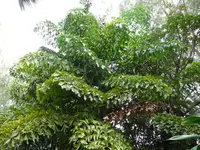
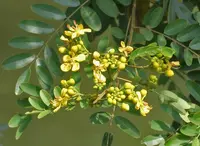
Siamese cassia (Senna siamea) is a fast-growing tropical tree known for its bright yellow flower clusters and fine, feathery foliage. It often forms a rounded crown and is commonly used as a street or shade tree in warm regions.

This species is native to Southeast Asia but is now widely grown in tropical and subtropical climates worldwide. It is valued for its ornamental flowers, dense canopy, and ability to cope with heat and seasonal dry periods.

Senna siamea is generally considered easy to grow where frost is minimal, though it needs full sun and well-drained soil. Understanding how to care for Siamese cassia mainly involves providing warmth, strong light, and enough space for its mature size.

Main Plant Requirements

Care Difficulty

Moderate Care

Light Preference

Full Sun

Water Requirements

Moderate Water

Temperature Preference

Tropical / Frost Sensitive

Hardiness Zone

10–12

Soil Texture

Sandy, Loamy, Organic-rich

Soil pH

Acidic (5.5–6.5), Slightly acidic (6.5–7.0)

Soil Drainage

Well-drained

Fertilization

Minimal (feed rarely)

Get Personalized Care Plan

Scan your plant to receive care tips personalized for your specific plant

Available on iOS and Android

How to Care for the Siamese cassia

This tropical tree needs abundant direct sun to flower and grow strongly outdoors.

  • Provide 6–8 hours of full sun daily; morning to mid-afternoon sun is ideal, with only light shade late in the day.
  • Young Siamese cassia trees tolerate light partial shade (3–4 hours sun), but growth and flowering decrease as shade increases.
  • In very hot climates, protect from harsh late-afternoon summer sun to reduce leaf scorch, while ensuring winter light is as open and unobstructed as possible.

This species prefers evenly moist, well-drained soil rather than constant wet or very dry conditions.

  • Before watering, let the top 3–5 cm of soil dry; soil below should still feel slightly moist, not soggy or powder-dry.
  • In warm growing seasons, water deeply so moisture reaches the root zone, then allow partial drying; in cooler months, reduce frequency as growth slows.
  • Watch for yellowing, soft leaves or a sour soil smell as signs of overwatering, and for crisp leaf edges or wilting in dry soil as signs of underwatering in Senna siamea.

This warm-climate tree thrives in consistently hot to warm conditions and is highly sensitive to cold.

  • Optimal growth occurs around 75–90°F (24–32°C), with best performance where nights stay above about 65°F (18°C).
  • Senna siamea is very frost tender; growth is damaged near 40°F (4°C) and plants can die if exposed to 32°F (0°C) or below.
  • Mature trees tolerate dry heat up to about 100°F (38°C) if soil moisture is adequate, but young plants need protection from hot, desiccating winds and reflected heat.

Humidity is a minor factor for Senna siamea, which adapts well to typical outdoor ranges in warm climates.

Senna siamea prefers moderately fertile, well-drained soil that does not stay waterlogged after rain or irrigation.

  • Use a loamy or sandy-loam base with 20–30% compost to provide nutrients without becoming heavy.
  • Ensure rapid drainage by blending in coarse sand or fine gravel so water clears from the root zone within minutes.
  • Aim for slightly acidic to neutral pH around 6.0–7.5, avoiding strongly acidic or saline conditions that restrict nutrient uptake.
  • Avoid dense clay or compacted sites; if unavoidable, raise the planting area and work in coarse material to improve aeration.

This species can be grown in large containers for a limited size and controlled placement.

  • Choose a deep, heavy pot to counter top-heaviness and reduce tipping in strong wind as the canopy develops.
  • Select a slightly porous material such as unglazed clay if excess moisture is a concern, since it allows faster evaporation from the root zone.
  • Elevate the container on pot feet so drainage holes remain clear and excess water escapes quickly after heavy rain or irrigation.

Senna siamea responds well to moderate feeding during warm, active growth.

  • Use a balanced NPK fertilizer (such as 10-10-10) or well-rotted compost for in-ground trees.
  • Feed every 4–6 weeks in spring and summer, or apply a slow-release product once at the start of the season.
  • Dilute liquid fertilizers to 1/2 strength for young or container-grown plants to avoid root burn.
  • Stop feeding in fall and winter when growth slows, especially in cooler regions.

Pruning helps maintain structure, safety, and flowering quality in Senna siamea.

  • Carry out main pruning in late winter or early spring before strong new growth begins.
  • Remove dead, diseased, or crossing branches first, using clean, sharp bypass pruners or a pruning saw.
  • Thin crowded interior shoots to improve light penetration and air flow through the canopy.
  • Shorten long or awkward branches to shape the crown and manage tree height without heavy topping.

This species is usually grown as a landscape tree, so transplanting young plants correctly is more important than frequent repotting.

  • Transplant in-ground or container-raised trees in late spring, once soil is warm and frost risk has passed.
  • Look for circling roots, slow growth, or a pot-bound root ball as signs a container seedling needs a larger pot or planting site.
  • Move up only 1–2 pot sizes or into a hole 2–3 times wider than the root ball, keeping the root flare at soil level.
  • Water thoroughly before and after moving, shade for a few days if possible, and keep soil evenly moist to reduce transplant shock.

New Senna siamea plants are most commonly raised from seed under warm conditions.

  • Sow fresh seeds in late spring to early summer, when temperatures stay above 70°F.
  • Scarify hard seed coats lightly with sandpaper or a brief hot-water soak to improve germination.
  • Use a free-draining mix, keep it just moist, and maintain bottom warmth around 75–85°F for best results.
  • Semi-ripe stem cuttings can root in warm, humid conditions using a rooting hormone, though success is less consistent than with seeds.

This tropical tree has low frost tolerance and needs protection in regions with cool or cold winters.

  • In USDA zones colder than 10, grow Senna siamea in containers and move indoors or into a heated greenhouse before frost.
  • Provide bright light and keep indoor temperatures above 55°F, with slightly reduced watering through winter.
  • For marginal climates, mulch the root zone 5–8 cm deep to buffer short cool spells and soil temperature drops.

Care Tips

Wind-firm training

In the first 2–3 years, pinch back the main shoot at 60–80 cm and select 3–4 evenly spaced branches to form a low, sturdy framework that helps the tree resist wind and reduces storm damage later.

Root-zone mulching

Maintain a 5–8 cm layer of wood chip or shredded bark mulch over the root zone, keeping it 5–8 cm away from the trunk, to stabilize soil moisture, suppress weeds, and protect fine feeder roots from heat stress.

Salt and pollution tolerance

When planting near roads, driveways, or urban hardscapes, slightly raise the planting area and ensure excellent drainage so the tree’s moderate tolerance to road salt and air pollution is not overwhelmed by standing water.

Seed pod management

Inspect branches monthly during fruiting and remove excess or damaged seed pods before they mature to reduce self-seeding, limit branch weight, and keep the canopy tidy for easier caring for Siamese cassia.

Nutrient capture understory

Under mature trees, use deep-rooted or drought-tolerant groundcovers instead of heavy-feeding lawns so the shallow feeder roots are not forced to compete intensely for water and nutrients, helping the tree maintain steady growth.

Common Pests and Diseases

Defoliating caterpillars

These insects feed heavily on foliage, often stripping young trees of leaves and slowing growth.

Solution

Hand-pick caterpillars where feasible and prune out heavily infested shoots; for larger trees, use a Bacillus thuringiensis (Bt) biological spray in the evening and encourage birds and other natural predators by maintaining plant diversity around the site.

Leaf spot

This disease causes brown to black circular spots on leaflets, which may coalesce and lead to premature leaf drop in humid, warm conditions.

Solution

Remove and dispose of fallen and badly spotted leaves, increase airflow by light pruning of dense interior branches, avoid overhead watering, and, in severe or persistent cases, apply a copper-based fungicide labeled for ornamental trees during early symptom development.

Powdery mildew

This disease produces a white, powdery coating on young leaves and shoots, which can cause leaf distortion and reduced vigor in crowded or shaded plantings.

Solution

Thin competing branches to improve light and air movement, avoid high-nitrogen fertilization that forces soft new growth, remove the most affected shoots, and use a horticultural oil or sulfur-based fungicide as a preventive treatment during warm, dry periods when powdery mildew is common.

Bark-boring beetles

These insects tunnel into stems and branches, causing small exit holes, frass (sawdust-like material), dieback of twigs, and in severe cases decline of stressed trees.

Solution

Maintain tree vigor through regular watering during drought and balanced fertilization, promptly prune and destroy infested branches, avoid trunk injuries that attract borers, and consider preventative trunk sprays with a systemic insecticide only when beetle pressure is documented and high.

Nematode-related decline

This problem arises when plant-parasitic nematodes in sandy or degraded soils damage fine roots, leading to sparse foliage, slow growth, and increased sensitivity to drought stress.

Solution

Improve soil organic matter with compost and mulching to support beneficial organisms, avoid overplanting in known nematode-infested sites, rotate with non-host cover crops where possible, and prioritize deep, regular watering to help the tree maintain root function while monitoring overall Senna siamea plant care conditions.

Interesting Facts

Evergreen dry-season bloomer

This species often flowers most heavily during the dry season in its native Southeast Asian range, producing bright yellow, nectar-rich blooms while many surrounding plants are less active.

Nitrogen-fixing legume tree

As a member of the legume family, it forms root nodules with symbiotic bacteria that can fix atmospheric nitrogen, helping improve soil fertility in agroforestry and reforestation projects.

Versatile timber source

Its wood is dense, durable, and naturally termite-resistant, so it is widely planted in tropical regions for furniture, tools, and fuelwood.

Botan icon

Did you know?

In Thailand, its young leaves and flower buds are traditionally used as a food ingredient only after prolonged boiling and water changes to reduce natural compounds that can be harmful in higher amounts, which has made it both a culturally important vegetable and a regulated food item.

FAQs about Siamese cassia

Lack of flowers usually comes from insufficient light, young age, heavy pruning at the wrong time, or nutrient imbalance with too much nitrogen. Ensure strong sun exposure, avoid cutting new shoots before flowering, and use balanced fertilizer.

Grow Healthy Plants with Botan Care

Keep your plants happy and healthy with plant identification, disease detection, and easy care guidance.

Botan plant care app — identify plants on mobile

Explore More Plants