Bloom-boosting chill
Plan planting so the shrub receives 800–1,200 hours of winter chill below 45°F, which supports reliable spring flowering and fruit set in most temperate US climates.

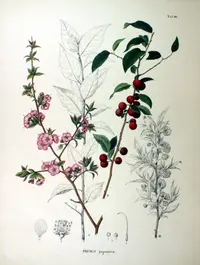
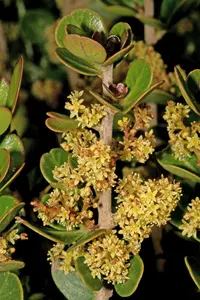
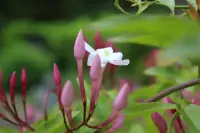
Japanese bush cherry, Prunus japonica, is a compact deciduous shrub grown mainly for its dense spring blossom display. It forms a rounded shape with many short branches, often used in borders or as a low flowering hedge. Flowers are small, usually pink to white, and appear in clusters along bare branches before the leaves, creating a strong ornamental effect. This species is native to East Asia and is adapted to temperate climates with cold winters. It is generally considered easy to grow when given full sun, moderate moisture, and well-drained soil, so learning how to care for Japanese bush cherry is straightforward for most gardeners.

Care Difficulty
Moderate Care

Light Preference
Full Sun

Water Requirements
Moderate Water

Temperature Preference
Cold Hardy

Hardiness Zone
4–8

Soil Texture
Loamy, Sandy, Clay

Soil pH
Acidic (5.5–6.5), Slightly acidic (6.5–7.0)

Soil Drainage
Moist but well-drained

Fertilization
Minimal (feed rarely)
Scan your plant to receive care tips personalized for your specific plant
Available on iOS and Android
This deciduous shrub thrives in full sun but accepts some light shade in hotter regions.
This shrub prefers evenly moist, well-drained soil rather than constantly wet conditions.
This hardy shrub tolerates a wide temperature range but grows best in moderate conditions.
Humidity is not a critical factor for Prunus japonica, which adapts well to typical outdoor conditions in most climates.
Prunus japonica prefers loose, well‑drained, moderately fertile soil that does not stay waterlogged.
This species can grow successfully in containers when given enough root space and drainage control.
This shrub benefits from light, structured feeding rather than heavy fertilization.
Thoughtful pruning keeps Prunus japonica healthy, compact, and floriferous.
This species is usually grown in the ground, so focus on careful transplanting rather than frequent repotting.
Prunus japonica is commonly propagated by seed or softwood cuttings under suitable conditions.
Mature plants are generally cold hardy and need minimal winter attention in most temperate gardens.

Plant Health Check
Not sure what's wrong with your plant? Check your plant's health inside the app.
This shrub often flowers very early in spring, sometimes before many other ornamental cherries, providing one of the first nectar sources for emerging pollinators in temperate gardens.
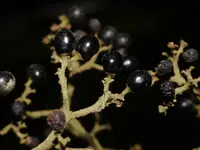
Although it belongs to the cherry genus, it often sets only a small number of small, red drupes in cultivation, because many ornamental clones are selected primarily for flowers rather than fruit production.
In its native East Asian range, wild populations show noticeable variation in features such as leaf size, hairiness, and branching density, which has led to some taxonomic confusion and the description of several synonyms in older literature.

This species has historically been used as a dwarfing or ornamental rootstock for grafting other cherries and related Prunus species, allowing breeders and growers to combine showy or fruiting scions with a compact, bush-forming root system.
Lack of blooms usually comes from insufficient sunlight, heavy pruning at the wrong time, or nutrient imbalance. Remove competing shade, avoid hard pruning after midsummer, and use a balanced, low‑nitrogen fertilizer to support flower bud formation.
Keep your plants happy and healthy with plant identification, disease detection, and easy care guidance.