Eugenia oerstediana Care

Eugenia oerstediana

About Eugenia oerstediana

Eugenia oerstediana is a tropical evergreen shrub or small tree in the myrtle family, grown mainly for its dense foliage and small, ornamental fruits. It typically has glossy green leaves, a rounded crown, and can be shaped as a screening hedge or kept smaller in containers.

This species is native to Central America, where it grows in warm, humid forests from lowlands to mid-elevations. It is moderately easy to manage if given consistent warmth, good light, and evenly moist, well-drained soil. Gardeners who learn how to care for Eugenia oerstediana usually find it reliable in subtropical and tropical climates.

Main Plant Requirements

Care Difficulty

Moderate Care

Light Preference

Partial Sun

Water Requirements

Moderate Water

Temperature Preference

Tropical / Frost Sensitive

Hardiness Zone

11–12

Soil Texture

Loamy, Sandy, Organic-rich

Soil pH

Acidic (5.5–6.5), Slightly acidic (6.5–7.0)

Soil Drainage

Moist but well-drained

Fertilization

Minimal (feed rarely)

Get Personalized Care Plan

Scan your plant to receive care tips personalized for your specific plant

Available on iOS and Android

How to Care for the Eugenia oerstediana

This shrub prefers bright outdoor conditions with protection from harsh extremes of sun exposure.

  • Provide 4–6 hours of direct morning sun with light afternoon shade; strong late-day sun in hot climates can scorch young foliage of Eugenia oerstediana.
  • Outside the tropics, plant where it receives high, filtered light or broken shade under taller trees to mimic forest edge conditions.
  • Watch the canopy: sparse, elongated shoots suggest insufficient light, while leaf yellowing or crispy edges indicate excess direct sun, especially in dry, windy weather.

This species prefers evenly moist, well-drained soil rather than cycles of drought and saturation.

  • Water when the top 3–5 cm of soil feel dry, allowing deeper soil to remain slightly moist; frequency varies with rainfall, soil type, and plant size.
  • Use rich, well-draining soil so water moves through within a few seconds; standing water or a sour smell indicates poor drainage and risk of root rot.
  • In cooler or rainy seasons, reduce watering and rely more on natural rainfall; in hot, windy periods, watch for curling or dull leaves as early drought signals.

This plant is naturally tropical and grows best in warm, frost-free conditions year-round.

  • Aim for 70–85°F (21–29°C) during active growth; short peaks up to about 90°F (32°C) are tolerated if soil moisture and humidity are adequate.
  • Avoid exposing it below 45°F (7°C); growth slows under 55°F (13°C), and light frost can damage young tips or defoliate exposed branches.
  • In regions with cool winters, site plants in a warm microclimate, such as near south-facing walls, and protect from cold winds and sudden temperature drops.

This species benefits from moderately moist air but adapts to typical indoor humidity.

  • Aim for 50–70% humidity to support steady growth and reduce leaf edge browning.
  • It tolerates short dry spells but prolonged air below 40% can cause crispy tips and increased leaf drop.
  • Increase humidity with a nearby humidifier, grouped plants, or a pebble tray, and improve air movement to prevent fungal issues on Eugenia oerstediana.

Eugenia oerstediana prefers a slightly acidic, loose, evenly moist substrate with strong drainage.

  • Use a loamy mix with 40–50% organic matter such as compost or fine bark, blended with perlite or coarse sand.
  • Target pH around 5.5–6.5; avoid strongly alkaline media that can lock up micronutrients and cause chlorosis (yellowing leaves).
  • Ensure the mix drains freely but retains some moisture; water should pass through within seconds without pooling on the surface.
  • Improve aeration by adding chunky bark or perlite and avoid heavy clay, peat-only mixes, or compacted garden soil in containers.

This shrub adapts well to container growing when given a stable, well-drained setup.

  • Select a deep, heavy pot to support the shrub’s woody top growth and reduce tipping in wind-exposed spots.
  • Choose a container material that matches your climate; unglazed clay dries faster and suits wetter regions, while plastic retains moisture longer in hot, dry areas.
  • Elevate the pot slightly on feet or bricks so drainage holes stay clear and excess water can exit quickly, preventing root-zone stagnation.

This species benefits from light, steady feeding rather than heavy applications.

  • Use a balanced, slow-release fertilizer (such as 10-10-10) or a thin layer of well-aged compost in spring for Eugenia oerstediana.
  • Feed every 6–8 weeks during the warm growing season if growth or leaf color appears weak.
  • Apply fertilizers at half the label strength to avoid root burn and salt buildup in the soil.
  • Stop feeding in late fall and through winter, when growth slows and nutrients are used less efficiently.

Thoughtful pruning keeps this shrub or small tree healthy, safe, and well-shaped.

  • Plan structural pruning for late winter or very early spring, before vigorous new growth begins.
  • Remove dead, diseased, crossing, or inward-growing branches to improve airflow and light penetration.
  • Shorten overly long shoots to maintain a balanced crown and encourage denser branching rather than tall, weak growth.
  • Use clean, sharp bypass pruners or loppers, making smooth cuts just outside the branch collar to promote proper healing.

This species is more often planted in the ground but can adapt to containers when managed carefully.

  • Check for roots circling the pot base, emerging from drainage holes, or for declining vigor as signs it needs a larger container or planting site.
  • Schedule repotting or transplanting in late spring, once temperatures are consistently warm and new growth is active.
  • Plan on moving container plants to a pot 2–5 cm wider every 2–3 years, using a free-draining, slightly acidic mix.
  • Water deeply before and after transplanting, keep the root ball intact, and shade the plant for 3–7 days to limit transplant shock.

New plants are most commonly raised from seeds, with cuttings attempted by more experienced growers.

  • Collect ripe fruits, clean off pulp, and sow fresh seeds, as Eugenia oerstediana often loses viability if stored dry for long periods.
  • Sow in late spring to early summer in a sterile, free-draining mix, keeping the medium evenly moist but never waterlogged.
  • Maintain warm conditions around 75–85°F and high humidity to support steady germination and early seedling growth.
  • Semi-hardwood cuttings taken in early summer may root under mist with rooting hormone, bottom heat, and bright but indirect light.

This tropical species is frost sensitive and needs protection in climates with cool winters.

  • In frost-free zones, little winter care is needed beyond normal watering and monitoring soil drainage.
  • Where light frost occurs, apply a 5–8 cm mulch layer around the root zone, keeping it slightly away from the trunk.
  • Wrap young trunks with breathable fabric or use frost cloth during cold snaps to reduce tissue damage.
  • Grow container plants in regions with cold winters and move them indoors or into a heated greenhouse before temperatures drop below 40°F.

Care Tips

Wind-firm training

In the first 2–3 years, lightly stake young plants and remove lower leaves gradually to encourage a sturdy, tapered trunk that resists breakage in coastal or windy sites.

Fruit load management

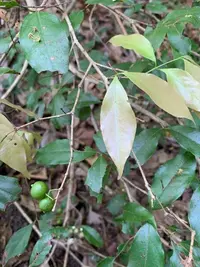
If branches start to bend under heavy fruit set, thin out some immature fruits and lightly tip-prune overly long shoots to reduce stress and improve fruit size and quality.

Mulch for root stability

Apply a 5–8 cm layer of coarse organic mulch in a wide ring, keeping it 5–8 cm away from the trunk, to stabilize soil moisture, keep roots cool, and limit weed competition.

Targeted pest scouting

Every 1–2 weeks, inspect new flushes of growth and the undersides of leaves for scale insects or leaf miners, using a hand lens if possible, and treat only affected shoots to avoid unnecessary broad-spectrum spraying.

Salt exposure management

In coastal areas or where irrigation water is slightly saline, leach the root zone with deep, slow watering every 4–6 weeks and refresh surface mulch to reduce salt buildup when caring for Eugenia oerstediana.

Common Pests and Diseases

Guava rust

This disease causes small pale spots on young leaves that turn yellow to reddish-brown and may lead to leaf distortion and drop. Symptoms include most damage on new flushes and tender shoots, especially in warm, humid conditions.

Solution

Remove and discard heavily infected young shoots and fallen leaves to reduce spores, and avoid overhead watering so foliage dries quickly. Improve spacing and airflow around plants, and in wet, rust-prone climates consider preventive copper-based sprays during new flushes, following label directions carefully for Eugenia oerstediana care instructions.

Scales

These insects appear as small, immobile bumps on stems and leaf undersides, often accompanied by sticky honeydew and sooty mold. This pest weakens plants by sucking sap, leading to yellowing leaves and reduced growth.

Solution

Wipe or gently scrub infested stems and leaves with a soft cloth or brush dipped in diluted insecticidal soap, repeating weekly until new growth emerges clean. For heavier infestations, prune heavily covered twigs and use horticultural oil sprays that thoroughly coat stems and leaf undersides, applied in mild temperatures to avoid leaf burn.

Myrtaceae psyllids

These insects cause curling, cupping, and distortion of young leaves, sometimes with blister-like bumps or pitted surfaces. This pest prefers tender flushes and can stunt new growth if populations are high.

Solution

Prune and destroy distorted, heavily infested tips before adults spread, and encourage regular but not excessive flushing through balanced fertilization. Use a strong stream of water to dislodge nymphs from young shoots, and apply insecticidal soap or light horticultural oil to new growth during outbreaks, ensuring thorough coverage of leaf undersides.

Anthracnose leaf spot

This disease produces small, water-soaked lesions on leaves that enlarge into brown or black spots with irregular edges, sometimes causing premature leaf drop. Symptoms include more severe damage during warm, wet weather or when foliage stays damp for long periods.

Solution

Remove spotted leaves from the plant and ground to limit reinfection, and water at soil level instead of overhead to keep foliage dry. Increase sunlight and airflow by thinning dense branches, and in areas with frequent rain use a labeled copper or biofungicide as a protective spray during extended wet periods.

Interesting Facts

Central American distribution

This species is native to humid forests from southern Mexico through Central America, where it typically grows as an understory or mid‑canopy tree on well‑drained slopes and along forest edges.

Small berry-like fruits

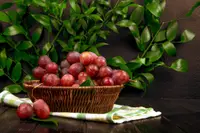
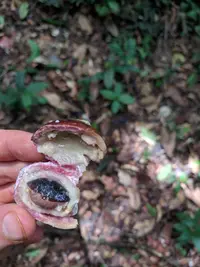
It produces small, red to purplish fleshy fruits that are eaten by birds and other wildlife, which then disperse the seeds and help maintain tree populations in fragmented forests.

Myrtle family features

As a member of the Myrtaceae, it has essential‑oil‑bearing tissues in its leaves and young stems, which can give the foliage a faint aromatic scent when crushed, a trait shared with many myrtle relatives.

FAQs about Eugenia oerstediana

This species is evergreen in frost‑free climates, keeping foliage year‑round rather than shedding leaves seasonally. In cooler areas, cold stress can cause partial leaf drop, but healthy plants usually refoliate once temperatures improve.

Grow Healthy Plants with Botan Care

Keep your plants happy and healthy with plant identification, disease detection, and easy care guidance.

Botan plant care app — identify plants on mobile

Explore More Plants