Staggered Succession Sowing
Sow small batches every 2–3 weeks in late summer so plants mature in sequence, giving a continuous harvest of high-quality leaves instead of a single glut.

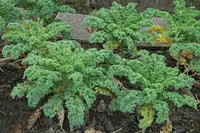
Cabbage, Brassica oleracea var. sabellica, is a leafy biennial grown as an annual vegetable, known for its tight, layered heads and crisp texture. It belongs to the Brassicaceae, the same family as kale, broccoli, and cauliflower.
Plants form a sturdy rosette of broad leaves around a compact central head, usually green or red, depending on the cultivar. They are native to coastal regions of western and southern Europe but are now widely cultivated in temperate climates.
This plant prefers cool weather, consistent moisture, and fertile, well-drained soil, which makes timing and site selection important. Once these needs are met, how to care for Cabbage becomes straightforward, though pests and diseases can still be a challenge.

Care Difficulty
Moderate Care

Light Preference
Full Sun

Water Requirements
Regular Water

Temperature Preference
Cool Climate

Hardiness Zone
7–9

Soil Texture
Loamy, Sandy, Organic-rich

Soil pH
Acidic (5.5–6.5), Slightly acidic (6.5–7.0)

Soil Drainage
Moist but well-drained

Fertilization
Moderate (every 2–4 weeks)
Scan your plant to receive care tips personalized for your specific plant
Available on iOS and Android
This kale-type Brassica thrives in cool, bright outdoor conditions with several hours of direct sun.
Brassica oleracea var. sabellica prefers consistently moist, well-drained soil rather than strict watering schedules.
This cool-season crop grows best in moderate temperatures and tolerates cold better than heat.
This kale variety grows best in outdoor-type humidity and does not need special humidity control.
This plant prefers moist, fertile, well-structured soil that stays aerated and drains freely.
This species grows reliably in containers when given enough depth and volume for its root system.
Kale (Brassica oleracea var. sabellica) responds well to moderate, consistent feeding during its active growing season.
Brassica oleracea var. sabellica benefits from light, ongoing leaf removal rather than heavy structural pruning.
Kale is usually transplanted outdoors rather than kept long term in containers, but young plants may start in pots or cell trays.
Kale is most commonly propagated from seed for uniform, vigorous plants.
Kale is quite cold hardy and often improves in flavor after light frosts, so winter care is minimal in many regions.

Plant Health Check
Not sure what's wrong with your plant? Check your plant's health inside the app.
Curly kale often develops deeper blue-green or purple-tinged leaves after exposure to light frosts, because low temperatures trigger increased production of anthocyanin pigments that help protect leaf tissues from cold stress.
This plant forms a tight rosette of highly frilled leaves that channels rainwater and dew toward the stem base, which improves water delivery to roots and reduces soil splash that can spread foliar pathogens.
Unlike heading cabbages, kale allows repeated picking of individual outer leaves over many weeks, because the central growing point remains active and continues to produce new foliage without needing to form a dense head.

Historical records from northern Europe show that hardy kales like Brassica oleracea var. sabellica were key winter vegetables before widespread use of food storage technologies, because their frost tolerance allowed harvest directly from frozen fields when many other crops had already failed.
Yellowing leaves often result from nitrogen deficiency, waterlogged soil, or root damage from pests like cabbage maggots. Check drainage, avoid overwatering, feed with a balanced fertilizer, and inspect roots and undersides of leaves for pests.
Keep your plants happy and healthy with plant identification, disease detection, and easy care guidance.