Row Cover Use
Install lightweight floating row covers immediately after sowing to protect young plants from flea beetles and cabbage white butterflies while still allowing light, air, and water through.

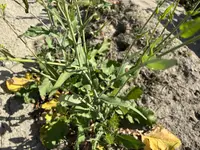
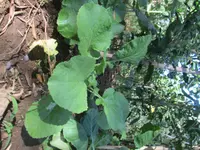
Field mustard, Brassica rapa subsp. nipposinica, is a fast-growing leafy brassica often used as a salad or cooking green. It is an annual plant with soft, deeply cut leaves and small yellow flowers held on upright stems.
This subspecies likely derives from East Asian cultivation, but related field mustard types occur in many temperate regions as crops and escapes. Its rapid growth, cool-season tolerance, and short lifecycle make it straightforward to grow from seed.
Gardeners who want to care for Field Mustard should know it prefers full sun, consistent moisture, and fertile, well-drained soil. Its main challenges are bolting in heat and attracting common brassica pests such as flea beetles and caterpillars.

Care Difficulty
Easy Care

Light Preference
Full Sun

Water Requirements
Regular Water

Temperature Preference
Cool Climate

Hardiness Zone
4–9

Soil Texture
Loamy, Sandy, Organic-rich

Soil pH
Acidic (5.5–6.5), Slightly acidic (6.5–7.0)

Soil Drainage
Moist but well-drained

Fertilization
Moderate (every 2–4 weeks)
Scan your plant to receive care tips personalized for your specific plant
Available on iOS and Android
This cool-season leafy crop prefers bright outdoor exposure without intense afternoon scorch.
This plant prefers consistently moist, well-drained soil that never stays saturated.
This leafy crop grows best in cool, stable outdoor temperatures.
Humidity is rarely limiting for this hardy leafy Brassica in home gardens.
This plant prefers loose, fertile, consistently moist soil that drains freely.
This species is well suited to container growing for quick leafy harvests.
This fast-growing leafy brassica responds well to moderate feeding during its short growing season.
Light pruning keeps Brassica rapa subsp. nipposinica productive and hygienic rather than shaping it long term.
This quick-maturing annual is more often transplanted between beds or containers than repeatedly repotted.
Propagation of this leafy brassica is almost always done from seed rather than from cuttings or division.
This cool-season annual tolerates light frosts but needs some attention in colder regions.

Plant Health Check
Not sure what's wrong with your plant? Check your plant's health inside the app.
This leafy form of field mustard is a traditional ingredient in Japanese cuisine, especially in ohitashi (blanched greens) and nabemono (hot pots), valued for its mildly peppery and mustard-like flavor.
It grows quickly as a cool-season annual, producing harvestable leaves only a few weeks after sowing in spring or fall, which makes it useful for rapid salad and cooking greens production.
The plant tolerates light frosts and cool temperatures, and mild chilling often intensifies its flavor, a trait that allows growers to extend the season when growing Field Mustard outdoors.
All above-ground parts are edible when grown in clean conditions. Young leaves are used as salad greens or cooked, flower buds resemble small broccoli, and seeds can be used for oil or microgreens. Avoid plants exposed to roadside pollution.
Keep your plants happy and healthy with plant identification, disease detection, and easy care guidance.