Mediterranean cabbage Care (Brassica fruticulosa)

Also known as: Twiggy Turnip
Mediterranean cabbage

About Mediterranean cabbage

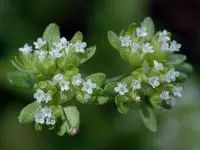
Mediterranean cabbage, Brassica fruticulosa, is a short-lived perennial or biennial brassica with a bushy, branching habit and finely divided, gray-green leaves. Plants often form loose rosettes and wiry stems topped with small yellow flowers, giving a light, open look rather than a dense cabbage head.

It occurs naturally around the Mediterranean basin, usually on dry, rocky slopes, field margins, and disturbed ground. This origin makes it relatively tolerant of poor, well-drained soils and periods of drought, which can simplify how to care for Mediterranean cabbage in low-input gardens.

Growth is usually fast in cool, mild conditions, but heat and excessive moisture can reduce vigor. It generally prefers full sun, moderate moisture, and free-draining, slightly alkaline soil.

Main Plant Requirements

Care Difficulty

Moderate Care

Light Preference

Full Sun

Water Requirements

Moderate Water

Temperature Preference

Cool Climate

Hardiness Zone

6–9

Soil Texture

Sandy, Loamy, Rocky

Soil pH

Slightly acidic (6.5–7.0), Neutral (7.0)

Soil Drainage

Well-drained

Fertilization

Minimal (feed rarely)

Get Personalized Care Plan

Scan your plant to receive care tips personalized for your specific plant

Available on iOS and Android

How to Care for the Mediterranean cabbage

This sun-loving wild Brassica thrives in bright, open sites with moderate protection from extreme heat.

  • Provide 6–8 hours of direct sun daily; morning and early afternoon sun suit Mediterranean cabbage best in most climates.
  • In hot summers, give light afternoon shade or filtered light after 2–3 pm to reduce leaf scorch and moisture stress.
  • In cooler months or coastal areas, full sun all day is ideal; in short-day winters, avoid heavy shade from buildings or trees.

Brassica fruticulosa prefers evenly moist, well-drained soil that never stays waterlogged.

  • Irrigate when the top 3–5 cm of soil feels dry, applying enough water to moisten the root zone without leaving standing water.
  • Use soil enriched with organic matter and good drainage; prolonged puddling, sour smell, or yellowing lower leaves indicate overwatering.
  • In hot, dry periods increase watering frequency, while in cool or rainy seasons reduce watering and watch for wilting or dull, drooping foliage.

This species is a cool- to mild-climate brassica that tolerates some heat but dislikes extreme cold or prolonged high temperatures.

  • Aim for 55–75°F (13–24°C) for steady growth, with best vegetative development around 60–70°F (16–21°C).
  • Plants usually tolerate down to about 25–28°F (-4 to -2°C) for short periods, but hard freezes below this can damage leaves and young shoots.
  • In hot spells above 85–90°F (29–32°C), growth may slow; provide mulch and consistent moisture to limit heat stress and premature flowering.

This species tolerates a wide humidity range and does not need humidity adjustment in most homes or gardens.

Brassica fruticulosa prefers loose, well-drained mineral soil that still retains moderate moisture.

  • Use a loamy or sandy-loam soil with visible grit or sand to prevent compaction around the roots.
  • Aim for slightly alkaline to neutral pH, around 7.0–8.0, avoiding strongly acidic mixes.
  • Incorporate 20–30% coarse sand or fine gravel plus 10–20% mature compost to improve structure and fertility.
  • Avoid heavy clay, waterlogged spots, or peat-heavy mixes that stay wet and reduce oxygen around the root zone.

This species can be grown successfully in containers outdoors when the pot is set up for free drainage and root depth.

  • Choose a pot at least 25–30 cm deep so the taproot and lateral roots can anchor and access moisture evenly.
  • Use a heavier material like terracotta or ceramic in windy sites to stabilize the shrubby growth and reduce tipping risk.
  • Fill the container with a gritty mix and elevate the pot slightly on feet or bricks so drainage holes never sit in standing water.

Brassica fruticulosa benefits from modest feeding but performs well in reasonably fertile soil.

  • Apply a light dressing of garden compost or well-rotted manure in early spring to enrich the root zone.
  • Use a balanced NPK fertilizer (such as 10-10-10) at half strength every 4–6 weeks during the main growing season.
  • Reduce or stop feeding in late fall and winter when growth slows, to avoid weak, lush tissue.
  • On poor soils, a slow-release granular fertilizer at label rate supports steady growth without frequent applications.

Pruning Brassica fruticulosa is mainly used to maintain a compact, productive shape and remove weak growth.

  • Carry out light pruning in late winter or early spring before vigorous new growth begins.
  • Remove dead, diseased, or storm-damaged stems first, cutting back to healthy tissue with clean, sharp shears.
  • Thin crowded shoots to improve air flow and light penetration, which supports sturdier growth and reduces disease risk.
  • Tip back excessively long stems after flowering to keep a bushy outline without cutting into very old wood.

This species is more often transplanted in beds than maintained long term in containers.

  • Transplant Brassica fruticulosa in early spring or early fall, avoiding periods of extreme heat or hard frost.
  • Look for signs such as roots circling the pot, soil drying very fast, or slow growth to judge when a container plant needs moving up.
  • Shift into a slightly larger pot or garden position, keeping the root ball intact and setting the crown at the same soil level.
  • Water thoroughly after transplanting, then shade from intense sun for a few days to reduce root stress and encourage recovery.

Brassica fruticulosa is commonly propagated from seed, with cuttings used where uniform traits are desired.

  • Sow fresh seed in late winter to early spring in trays or modules filled with a free-draining, fine-textured seed compost.
  • Maintain 60–70°F and consistent, light moisture; avoid waterlogging to limit damping-off, a fungal seedling disease.
  • Once seedlings have 2–3 true leaves, prick out or pot on with minimal root disturbance, then harden off before outdoor planting.
  • For vegetative propagation, take short softwood cuttings in late spring, use rooting hormone, and place in a humid, bright but not hot environment.

This Mediterranean cabbage is fairly cold tolerant and usually needs only simple winter care in mild climates.

  • In regions with freezing winters, apply a 5–8 cm layer of organic mulch around the root zone, keeping it slightly away from stems.
  • Leave top growth largely intact until late winter, as it helps shield lower buds and crowns from severe cold and wind.
  • For container plants, move pots to a sheltered spot or unheated greenhouse to prevent repeated freeze-thaw cycles that damage roots.

Care Tips

Encourage Compact Growth

Pinch back the tips of young shoots once they reach 10–15 cm to encourage bushier plants and a higher yield of tender leafy growth, especially useful for growing Mediterranean cabbage in small garden spaces.

Use Staggered Sowing

Sow small batches every 2–3 weeks during the suitable season so that older plants can be harvested while younger ones are establishing, keeping the patch productive for a longer period.

Targeted Pest Netting

Install fine mesh or insect netting immediately after emergence, supported on low hoops, to physically block cabbage whites and flea beetles while still allowing good airflow around the plants.

Cut-and-Come-Again Harvest

Harvest outer leaves first with a clean, sharp knife and leave the central rosette intact, which allows the plant to keep producing fresh foliage over several weeks instead of a single cut.

Deep Root Zone Mulch

Apply a 3–5 cm layer of clean straw or shredded bark around but not touching the stems to keep the root zone cooler, reduce soil splash that spreads disease, and stabilize moisture between irrigations.

Common Pests and Diseases

Cabbage aphids

These insects cluster on young shoots, flower stems, and leaf undersides, sucking sap and causing curling, yellowing, and sticky honeydew deposits. This pest is especially common on wild brassicas including this species, particularly in dry, warm weather.

Solution

Spray plants thoroughly with a strong jet of water to dislodge colonies, then follow with insecticidal soap or a fatty acid–based spray directed to leaf undersides every 5–7 days until numbers drop. Encourage natural predators such as lady beetles by avoiding broad-spectrum insecticides and leaving some flowering plants nearby for nectar and pollen.

Cabbage flea beetles

These insects chew many small round holes in leaves, giving a shot-hole appearance and slowing growth in seedlings and young plants. This pest is particularly damaging in spring and early summer when beetle populations peak.

Solution

Use floating row covers over young plants to create a physical barrier and remove nearby brassica weeds that can host beetles. In beds where damage is severe, apply a fine layer of horticultural diatomaceous earth to foliage and soil surface during dry weather and reapply after rain, and keep plants evenly watered and well fed so they can outgrow minor injury.

Cabbage white caterpillars

This pest is the larval stage of the small white butterfly, feeding on leaves and sometimes stripping foliage down to ribs and midveins. Symptoms include irregular holes, green frass pellets, and rapid loss of leaf area, especially on flowering stems.

Solution

Inspect plants regularly and hand-pick caterpillars and egg clusters from leaf undersides, dropping them into soapy water. For heavier pressure, apply a targeted Bacillus thuringiensis kurstaki (Bt) biological spray to foliage in the evening, repeating every 7–10 days while butterflies are active, and consider using mesh or netting to reduce egg laying.

Downy mildew

This disease causes yellow to pale-green patches on upper leaf surfaces with fuzzy gray-white growth underneath, often in cool, humid weather. Symptoms include distorted, thickened leaves that may dry and drop prematurely, weakening the plant.

Solution

Remove and dispose of infected leaves promptly and avoid overhead watering to keep foliage as dry as possible. Improve airflow with wider spacing, water early in the day, and rotate brassica plantings so the same area is not used year after year; in severe cases, use a copper-based fungicide labeled for brassicas, applied according to directions.

Black rot

This disease produces V-shaped yellow lesions starting at leaf edges with darkened veins, gradually causing entire leaves to wilt and die. Symptoms include blackened vascular tissue in petioles and stems, especially under warm, wet conditions.

Solution

Uproot and discard heavily affected plants and plant residues, as the bacterium survives in debris and on brassica weeds. Practice long rotations of at least 3–4 years before replanting brassicas in the same soil, irrigate at soil level rather than on foliage, and source clean seed or transplants whenever possible to reduce introduction of the pathogen; this approach aligns with sound Brassica fruticulosa plant care in edible or conservation plantings.

Interesting Facts

Wild cabbage relative

This species is a wild Mediterranean brassica that is genetically close to cultivated cabbages and kales, and is often used in research on the evolution and diversity of the Brassica oleracea group.

Adapted to dry coasts

It naturally grows on rocky, dry coastal slopes and scrub in the Mediterranean region, showing strong tolerance to drought, wind, and calcareous soils with low organic matter.

Key insect host plant

It serves as a natural host for several specialist cabbage-feeding insects, including important crop pests, so it is sometimes studied as a reservoir species in agricultural landscapes.

Botan icon

Did you know?

The species has been used in genetic and breeding studies because its wild populations show high variability in traits such as leaf morphology and flowering time, helping scientists understand how domesticated cabbages evolved from their wild ancestors.

FAQs about Mediterranean cabbage

Yes, the young leaves, shoots, and flowering stems are edible and used like other wild cabbages. Flavor is strong and slightly bitter, improving after brief cooking or blanching. Always harvest from clean, untreated areas away from pollutants.

Grow Healthy Plants with Botan Care

Keep your plants happy and healthy with plant identification, disease detection, and easy care guidance.

Botan plant care app — identify plants on mobile

Explore More Plants