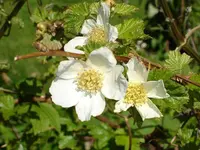
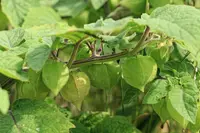
edible thistle Care (Cirsium edule)

edible thistle

About edible thistle

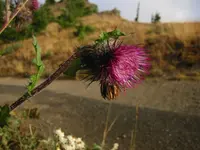
Edible thistle, Cirsium edule, is a herbaceous perennial native to the Pacific Northwest of North America. It grows in open woods, meadows, and coastal clearings. The plant forms upright stems with spiny, lobed leaves and purple flower heads that attract many pollinators. Its thick taproot and robust growth habit help it tolerate poor, disturbed soils. Gardeners value it as a regional wild edible, though careful handling is needed due to the spines. It prefers sunny, open sites with moist but well-drained soil. Understanding how to care for edible thistle starts with providing enough light and space for its deep root system.

Main Plant Requirements

Care Difficulty

Moderate Care

Light Preference

Full Sun

Water Requirements

Moderate Water

Temperature Preference

Cold Hardy

Hardiness Zone

5–9

Soil Texture

Sandy, Loamy, Rocky

Soil pH

Acidic (5.5–6.5), Slightly acidic (6.5–7.0)

Soil Drainage

Well-drained

Fertilization

Minimal (feed rarely)

Get Personalized Care Plan

Scan your plant to receive care tips personalized for your specific plant

Available on iOS and Android

How to Care for the edible thistle

Cirsium edule prefers bright, open conditions similar to its native meadows and clearings.

  • Provide full sun for 6–8 hours daily; light afternoon shade helps in hotter, drier summer regions.
  • Tolerates light partial shade (about 3–4 hours direct sun), but stems may elongate and flowering can decrease.
  • In very intense summer sun, monitor for leaf scorch or wilting and use nearby grasses or shrubs to give filtered afternoon light.

Cirsium edule prefers evenly moist, not soggy, soil that never stays waterlogged.

  • Allow the top 3–5 cm of soil to dry before watering, then soak deeply so moisture reaches the full root zone.
  • During cool spring and fall, natural rainfall often suffices; in hot, dry spells, use visual cues such as dull, slightly drooping foliage to signal watering needs.
  • Ensure sharply draining soil or a slope; yellowing, limp leaves and a sour soil smell indicate overwatering or poor drainage.

This species is adapted to cool, temperate climates with marked seasonal change.

  • Active growth is strongest around 55–70°F (13–21°C), typical of mild spring and early summer conditions.
  • Mature plants tolerate down to about 10–15°F (-12 to -9°C) with good drainage; heavy, wet winter soils increase cold damage risk.
  • Short periods above 85°F (29°C) are tolerated if soil moisture is maintained, but prolonged extreme heat can reduce vigor and flowering.

This species is adapted to relatively dry, open habitats, so humidity is rarely a concern outdoors.

This plant prefers lean, fast-draining mineral soils rather than rich, heavy mixes.

  • Use a sandy or gravelly loam with 20–30% coarse sand or grit to keep the root zone dry and aerated.
  • Aim for slightly acidic to neutral pH, around 6.0–7.0, which suits most populations of Cirsium edule.
  • Incorporate only light amounts of compost; excessive organic matter holds too much moisture and encourages rot.
  • Avoid compacted clay, boggy areas, or sites where water stands after rain, as these conditions quickly damage roots.

This species can be grown in containers outdoors, but performs best when the pot mimics its deep, well-drained native soils.

  • Choose a tall, narrow container that offers deep root run while limiting excess lateral soil volume that can stay wet.
  • Use a heavy or weighted pot, or brace the container, to prevent tipping in wind once stems become tall and top-heavy.
  • Combine a very free-draining mix with large drainage holes so water exits quickly and the lower root zone does not remain saturated.

Cirsium edule is adapted to lean soils and usually needs minimal feeding in gardens.

  • For garden beds, work in a light layer of compost or well-rotted manure in early spring before active growth.
  • Use a low-rate, slow-release balanced fertilizer (around 10-10-10) only if growth is weak or soil is very poor.
  • Apply fertilizer at half the label strength, keeping granules away from the crown to prevent rot.
  • Avoid feeding during winter dormancy; stop all fertilizer 6–8 weeks before expected hard frost.

Pruning Cirsium edule focuses on safety, tidiness, and encouraging flowering performance.

  • In late winter or early spring, remove dead, damaged, or diseased stems with sharp hand pruners or loppers.
  • Deadhead spent flower heads before seeds mature if self-seeding must be limited.
  • Thin crowded stems at the base to improve air flow and reduce fungal problems.
  • Wear gloves and long sleeves, cutting cleanly at the base to maintain a natural, open form.

This species is most often grown in the ground, so management centers on careful transplanting rather than frequent repotting.

  • Transplant young plants in early spring or early fall, when temperatures are mild and soil moisture is steady.
  • Move plants if growth stalls, roots circle a container, or the crown sits too high from soil erosion.
  • Lift with a spade, keeping as much root ball intact as possible to reduce transplant shock.
  • Replant at the same depth in well-drained soil, water thoroughly, and shade lightly for 3–5 days to limit stress.

Cirsium edule is most reliably propagated from seed under cool, moist conditions.

  • Collect ripe seed heads, then sow fresh seeds in late summer or fall outdoors for natural cold stratification.
  • For controlled germination, chill moist seeds at 35–40°F for 4–6 weeks, then surface-sow in a bright, cool spot.
  • Keep the substrate just moist in a gritty, well-drained mix to prevent damping-off in young seedlings.

This thistle is generally cold hardy in its native range and needs little dedicated winter care in the ground.

  • In cold regions, allow stems to die back naturally, then cut them close to the base after hard frost.
  • Apply a light mulch layer (5–7 cm) around, not on, the crown to buffer freeze–thaw cycles.
  • For container plants, move pots to a sheltered, unheated space where soil stays cold but not waterlogged.

Care Tips

Harvest Timing

Cut young flower stalks and buds when they are still tender and before the flower fully opens to keep the edible parts mild and reduce plant stress.

Staggered Sowing

Start a small batch of seeds every 2–3 weeks in late winter to early spring so plants reach harvestable size in succession rather than all at once.

Selective Thinning

Remove weaker seedlings early, leaving 25–35 cm between plants so the remaining thistles develop thicker, more usable stems and crowns.

Glove-Safe Handling

Always use thick gloves and long sleeves when working around plants to avoid spines and allow more confident, precise work such as weeding and harvesting.

Encourage Beneficials

Plant nectar-rich companions like yarrow or alyssum nearby to attract predatory insects that help control aphids and caterpillars while growing edible thistle.

Common Pests and Diseases

Aster yellow

This disease causes yellowing, distorted growth, and tufted, witch’s-broom style shoots in young rosettes and flowering stems. Symptoms include stunted plants with deformed flower heads that often fail to set normal seed.

Solution

Remove and destroy symptomatic plants as soon as they are noticed to reduce spread. Control leafhoppers in the surrounding area using insecticidal soap or fine netting, and avoid moving suspected infected material to new sites.

Leafspot fungi

This disease produces small to medium brown or tan spots on leaves that may merge, causing larger dead patches and early leaf drop. Symptoms include thinning foliage and weakened plants in wet, crowded stands.

Solution

Remove and destroy heavily spotted leaves to limit spore sources, and improve air circulation by reducing overcrowding and excess shade. In plantings of high value, apply a copper-based fungicide during prolonged wet periods, following label directions carefully.

Thistle stem gall fly

This insect causes swollen, rounded galls on stems where larvae feed inside the tissue, sometimes weakening or deforming the flowering shoots. Symptoms include thickened stems and reduced vigor in affected stalks.

Solution

Cut and remove galled stems before adult flies emerge, then destroy them in sealed bags or by burning where permitted. Encourage natural predators by maintaining diverse vegetation and avoiding broad-spectrum insecticides nearby.

Aphids

These insects cluster on young stems and the undersides of leaves, sucking sap and causing curling, distortion, and sticky honeydew that may attract sooty mold. Symptoms include reduced vigor and misshapen new growth, especially on well-fertilized plants.

Solution

Dislodge colonies with a firm water spray and pinch off badly infested shoot tips. On persistent infestations, use insecticidal soap or horticultural oil, making sure to coat the undersides of leaves while avoiding treatment during hot, sunny periods.

Powdery mildew

This disease shows as white to gray powdery patches on leaves, often starting on lower foliage in late summer. Symptoms include dull, mottled leaves that may yellow and die back prematurely under dry days and cool, humid nights.

Solution

Remove and dispose of heavily infected leaves and plant debris to reduce inoculum. Improve air flow around plants, avoid overhead watering in the evening, and if needed apply a sulfur or potassium bicarbonate fungicide according to label directions as part of broader Cirsium edule care instructions.

Interesting Facts

Traditional food source

Coastal Indigenous peoples of the Pacific Northwest, including several First Nations in British Columbia, traditionally harvested the fleshy roots and young shoots of this species as a seasonal vegetable, carefully managing wild stands to keep them productive.

Specialist pollinator ties

The flower heads provide nectar and pollen for a range of native solitary bees and butterflies in western North America, and some specialist insects use it preferentially, making this thistle locally important for pollinator networks in its natural range.

Tolerant of poor soils

This species often grows on gravelly, nutrient-poor, or disturbed mountain and coastal soils, using a deep taproot to access water and nutrients that many shallow-rooted plants cannot reach.

Botan icon

Did you know?

Unlike many thistles that are considered aggressive weeds, this species is native to the Pacific Northwest and forms part of natural plant communities from lowland coastal areas up into montane habitats, where land managers may actively conserve it rather than remove it.

FAQs about edible thistle

The young leaf stems, flower stalks, and roots are edible when peeled and cooked or eaten raw, similar to mild artichoke. Only harvest from clean, non-contaminated sites and avoid older, very spiny tissue.

Grow Healthy Plants with Botan Care

Keep your plants happy and healthy with plant identification, disease detection, and easy care guidance.


Botan plant care app — identify plants on mobile

Explore More Plants