BotaN logo

Passion fruit Care (Passiflora edulis)

Also known as: purple granadilla, common passionfruit
Passion fruit

About Passion fruit

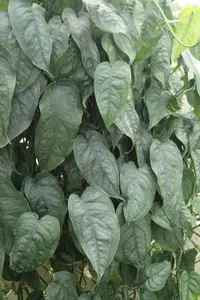
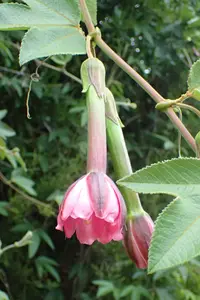
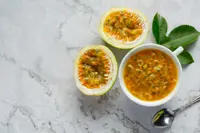
Passion fruit, Passiflora edulis, is a fast-growing evergreen vine known for its fragrant flowers and round, seedy fruits with tangy, aromatic pulp. It climbs using tendrils and is usually grown on trellises or fences, forming a dense, leafy screen when well supported.

This species is native to subtropical and tropical regions of South America but is now widely cultivated in warm climates worldwide. It prefers bright light, moderate moisture, and well-drained soil.

Passion fruit is considered moderately easy to grow if it receives enough sun, warmth, and support for climbing. Understanding how to care for Passion fruit helps maintain consistent flowering and fruiting over several seasons.

Main Plant Requirements

Care Difficulty

Moderate Care

Light Preference

Full Sun

Water Requirements

Regular Water

Temperature Preference

Tropical / Frost Sensitive

Hardiness Zone

9–12

Soil Texture

Sandy, Loamy, Organic-rich

Soil pH

Acidic (5.5–6.5), Slightly acidic (6.5–7.0)

Soil Drainage

Moist but well-drained

Fertilization

Moderate (every 2–4 weeks)

Get Personalized Care Plan

Scan your plant to receive care tips personalized for your specific plant

Available on iOS and Android

How to Care for the Passion fruit

This vigorous climbing vine needs abundant direct light to flower and fruit well.

  • Provide 6–8 hours of direct sun daily; in hot summers, prioritize morning sun with light afternoon shade to prevent leaf scorch.
  • Plant where the top growth is in full sun but roots are shaded or mulched to keep the soil cooler and reduce moisture stress for Passion fruit.
  • In coastal or cooler regions, full sun all day is ideal; in very hot inland areas, use 30–40% shade cloth during peak summer afternoons.

This species prefers evenly moist, not soggy, soil throughout the growing season.

  • Water when the top 3–5 cm of soil feel dry, applying enough to moisten the full root zone, then let excess drain freely to avoid root rot.
  • Increase watering frequency in hot, windy weather and active growth; reduce in cool seasons while preventing the soil from fully drying out for Passiflora edulis.
  • Watch for yellowing, soft leaves as a sign of overwatering, and dull, curling, or wilting leaves in dry soil as an indication of underwatering.

This tropical vine grows best in warm, frost-free conditions.

  • Aim for daytime temperatures of 68–82°F (20–28°C) for strongest growth and flowering, with nights ideally above 55°F (13°C).
  • Protect plants when temperatures drop toward 32°F (0°C); light frost can damage young shoots, and harder freezes can kill stems and roots.
  • In hot climates, plants tolerate up to about 95°F (35°C) if soil stays moist and roots are mulched, but prolonged extreme heat may reduce fruit set.

This species prefers moderately humid air and shows stress if kept too dry for long periods.

  • Aim for 50–70% humidity, especially during active growth and flowering.
  • Dry air can cause leaf edge browning and flower or bud drop, even when watering is correct.
  • Increase humidity by grouping plants, using a nearby tray of moist pebbles, or lightly misting foliage in the morning.

Passiflora edulis needs freely draining, fertile soil that stays slightly moist but never waterlogged.

  • Use a loamy mix with 40–60% composted organic matter plus coarse material like perlite or sharp sand for structure.
  • Ensure rapid drainage by avoiding heavy clay-based mixes that hold water around the roots.
  • Target a slightly acidic to neutral pH of 6.0–7.0 to support nutrient uptake and balanced growth.
  • Improve aeration by adding chunky bark or coarse perlite so roots receive enough oxygen and resist rot.

This species can grow successfully in containers if the pot supports its vigorous root system and vine growth.

  • Choose a deep, wide container that allows strong root development and helps anchor the climbing vine against wind or trellis pull.
  • Use a heavy, stable pot material like ceramic or thick plastic to prevent tipping as the plant becomes top-heavy on support structures.
  • Select a container with multiple large drainage holes so excess water exits quickly and the lower root zone does not stay saturated.

This vigorous vine benefits from steady nutrition through the growing season for good flowering and fruiting.

  • Use a balanced fertilizer (around 10-10-10) or similar NPK, applied at half strength to avoid salt buildup.
  • Feed Passion fruit every 4–6 weeks in spring and summer, or use a slow-release product once at season start.
  • Supplement with compost or well-rotted manure as a light surface dressing, keeping it away from the stem.
  • In fall and winter, reduce feeding sharply or stop entirely, especially for container plants with low light.

Thoughtful pruning keeps Passiflora edulis productive, manageable, and well lit.

  • Carry out main pruning in late winter or very early spring before strong new growth starts.
  • Remove dead, diseased, or damaged stems first, then thin crowded or tangled shoots to open the canopy.
  • Shorten long, whippy vines to encourage branching and flowering wood along a trellis or support.
  • Use clean, sharp bypass pruners and make angled cuts just above a healthy bud or side shoot.

Managing root space helps this fast-growing vine establish and fruit reliably.

  • Transplant or up-pot in early spring once frost risk has passed and new growth begins.
  • Look for roots circling the pot, slow growth, or frequent wilting as signs Passiflora edulis needs more space.
  • Move to a container 1–2 sizes larger, using free-draining soil and firm support for the vine.
  • Water thoroughly after transplanting, keep in bright but not harsh sun for 3–5 days, and avoid heavy feeding until recovery.

Passiflora edulis is commonly propagated from both seeds and semi-ripe cuttings.

  • Sow fresh seeds in spring in a warm medium (70–80°F), using a light, well-drained seed mix kept evenly moist.
  • Scarify or soak seeds 12–24 hours to improve germination, then provide bright, indirect light.
  • Take semi-ripe stem cuttings in late spring or summer, 8–10 cm long with 2–3 nodes.
  • Dip cut bases in rooting hormone, insert into moist, airy mix, and maintain high humidity and bottom warmth.

This subtropical vine is frost-sensitive and needs protection in colder climates.

  • In USDA zones colder than 9, grow in containers and move indoors before temperatures drop below 40°F.
  • Mulch the root zone with 5–8 cm of organic material to moderate soil temperature in ground-grown plants.
  • Shelter outdoor vines from freezing winds and consider using frost cloth during short cold spells.

Care Tips

Strong trellis setup

Install a sturdy, weather-resistant trellis or wire system before planting so vines can be tied loosely with soft ties as they grow, preventing stem damage and improving fruit exposure to light and air.

Encourage side shoots

Pinch or lightly tip-prune overly long leading vines during active growth to stimulate lateral shoots, which carry more flowers and increase overall fruiting potential.

Hand pollination aid

In areas with few pollinators, transfer fresh pollen from the anthers to the stigma of open flowers using a small, dry brush or by gently rubbing flowers together in the morning to improve fruit set.

Mulch for root health

Apply a 5–8 cm layer of coarse organic mulch around, but not touching, the stem to keep roots cool, reduce weed competition, and stabilize soil moisture during hot or dry periods.

Prevent vine tangling

Train new growth weekly by gently separating and directing vines along individual wires or trellis sections, which improves airflow, simplifies pest inspection, and makes caring for Passion fruit more efficient.

Common Pests and Diseases

Passion vine hopper

This pest feeds on young shoots, leaves, and flower buds, causing distortion, leaf yellowing, and sticky honeydew that encourages sooty mold growth.

Solution

Prune and destroy heavily infested shoots, then hose down plants to remove nymphs and honeydew; for ongoing problems, use a horticultural soap or neem oil spray directed at the undersides of leaves and repeat every 7–10 days until populations decline.

Fruit fly infestation

This pest lays eggs in developing fruits, and larvae tunnel inside, causing soft spots, premature fruit drop, and internal rotting.

Solution

Collect and destroy all fallen and visibly damaged fruits, use fine mesh or fruit bags around developing passion fruits, and in outdoor gardens consider bait traps placed away from the vine to reduce adult fly numbers while following local guidelines for fruit fly management when growing Passion fruit.

Brown woodiness virus

This disease causes woody, thickened, and cracked fruit rinds, reduced fruit size, leaf mottling, and general decline of the vine over time.

Solution

Remove and destroy infected vines to prevent spread, control sap-sucking insects such as aphids that transmit the virus, and replant only with certified virus-free planting material while keeping new vines well spaced for inspection.

Fusarium wilt

This disease begins with gradual yellowing and wilting of lower leaves, often on one side of the plant, followed by collapse of entire shoots as the fungus blocks water movement in the stem.

Solution

Remove and dispose of affected vines including major roots, avoid replanting passion fruit in the same spot for several years, improve soil drainage, and use raised beds or mounds while selecting disease-tolerant rootstocks where available.

Brown spot

This disease produces brown, sunken lesions on leaves and fruit, sometimes with yellow halos, leading to premature leaf drop and blemished or cracked fruit skin in humid weather.

Solution

Prune to open the canopy and improve airflow, remove and discard infected leaves and fruit, avoid overhead watering, and if conditions stay humid apply a copper-based or other labeled fungicide at intervals recommended on the product label, focusing on young leaves and developing fruit.

Interesting Facts

Specialist bee pollinators

In its native range in South America, the flowers are primarily pollinated by large carpenter bees of the genus Xylocopa, which are strong enough to push past the floral structures to reach nectar and transfer pollen effectively.

Fruit develops from ovary

The edible passion fruit is a true berry that develops directly from the superior ovary of the flower, so its rind, pulp, and seeds are all modified floral tissues rather than stem or leaf tissues.

Distinct purple and yellow forms

Two main horticultural forms are widely grown: the purple-fruited type, which tends to be sweeter and more aromatic, and the yellow-fruited type, which is generally more vigorous and often used as a rootstock in commercial plantations.

Botan icon

Did you know?

The elaborate corona filaments inside each flower create a visual and physical barrier that guides pollinators toward the reproductive organs while reducing nectar theft by smaller, less effective visitors, making the flower architecture highly specialized for efficient pollination.

FAQs about Passion fruit

Poor flowering usually comes from insufficient light, lack of nutrients, or missing pollination. Heavy pruning at the wrong time also removes flower buds. Stable warmth, balanced fertilizer, and allowing mature growth on a sturdy trellis support flowering.

Grow Healthy Plants with Botan Care

Keep your plants happy and healthy with plant identification, disease detection, and easy care guidance.

Botan plant care app — identify plants on mobile

Explore More Plants