BotaN logo

pigeon orchid Care (Dendrobium crumenatum)

Also known as: Pigeon Orchid
pigeon orchid

About pigeon orchid

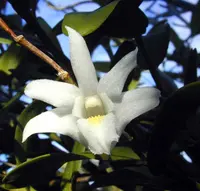
The pigeon orchid, Dendrobium crumenatum, is a small to medium epiphytic orchid that typically grows on tree trunks and branches. It produces upright canes with narrow leaves and clusters of white, fragrant flowers that resemble tiny birds in flight.

This species is native to Southeast Asia, where it experiences warm temperatures, high humidity, and good air movement. It is considered moderately easy for growers who can provide stable warmth, bright filtered light, and regular moisture without waterlogging. Understanding how to care for pigeon orchid starts with mimicking these airy, tree-dwelling conditions in the home or greenhouse.

Main Plant Requirements

Care Difficulty

Moderate Care

Light Preference

Partial Shade

Water Requirements

Moderate Water

Temperature Preference

Tropical / Frost Sensitive

Hardiness Zone

11–12

Soil Texture

Sandy, Rocky, Organic-rich

Soil pH

Acidic (5.5–6.5)

Soil Drainage

Well-drained

Fertilization

Light (every 4–6 weeks)

Get Personalized Care Plan

Scan your plant to receive care tips personalized for your specific plant

Available on iOS and Android

How to Care for the pigeon orchid

This orchid prefers bright conditions that mimic lightly shaded tropical forest edges.

  • Provide 4–6 hours of bright, filtered light daily, such as dappled shade under taller plants or 30–50% shade cloth outdoors.
  • Allow soft morning sun but protect Dendrobium crumenatum from harsh midday and afternoon sun, which can scorch leaves and cause yellow patches.
  • If stems grow weak and elongated or flowering declines, increase light slightly; in summer, shift to brighter shade and in winter move to a more open, sun-exposed position.

Watering should mimic short tropical rains followed by brief drying periods.

  • Water when the top 2–4 cm of the growing medium feel dry and roots turn silvery, then water thoroughly so excess drains away quickly.
  • During active growth in spring and summer, expect more frequent watering; in cooler months, extend the drying period slightly but do not let canes shrivel or wrinkle deeply.
  • Signs of overwatering include black, mushy roots and yellowing lower leaves, while crisp, wrinkled canes and very light pots or mounts indicate underwatering.

Consistent warm temperatures support strong growth and reliable flowering.

  • Aim for 70–85°F (21–29°C) by day and 60–70°F (16–21°C) at night during the growing season for best development and flower spikes.
  • The plant tolerates brief drops to about 50°F (10°C), but growth slows; prolonged exposure below this can damage roots and canes and reduce blooming.
  • Protect from frost at all times, and in heat above 90°F (32°C) increase air movement and shade to prevent leaf scorch and bud drop.

This orchid prefers consistently moist air but copes briefly with drier conditions.

  • Aim for 60–80% humidity, especially during active growth and before flowering spikes form.
  • Tolerates short dips to 40–50%, but prolonged dry air leads to wrinkled canes, stalled buds, and brown leaf tips.
  • Increase humidity with grouped plants, a pebble tray under the pot, or a small humidifier placed nearby, useful when caring for pigeon orchid.

Use a very airy, fast-draining orchid medium rather than standard potting soil for this species.

  • Choose a coarse, open mix such as medium bark with a little charcoal and perlite to keep roots well aerated.
  • Ensure rapid drainage; water must run through in seconds and the mix should dry slightly between waterings.
  • Aim for slightly acidic to neutral conditions, around pH 5.5–7, which suits Dendrobium crumenatum roots.
  • Avoid dense peat, garden soil, or fine compost that compacts, holds water around roots, and promotes rot.

This orchid is well suited to container growing when the pot and setup support its upright, clumping canes.

  • Use a relatively narrow, heavy pot to prevent tipping as tall canes develop and become top-heavy.
  • Select slotted or orchid-style containers to let air reach the roots and allow fast moisture loss after watering.
  • Pack the mix firmly enough to anchor canes while still leaving visible air gaps so water does not stagnate around roots.

This orchid responds well to light, consistent feeding during active growth.

  • Use a balanced water-soluble fertilizer (such as 20-20-20) diluted to 1/4–1/2 strength for caring for pigeon orchid.
  • Feed every 2–3 weeks in the growing season while plants produce new canes and roots.
  • Reduce to monthly or stop feeding in winter or dormancy when growth slows.
  • Flush the potting medium with plain water monthly to prevent salt buildup.

Pruning focuses on cleaning and shaping Dendrobium crumenatum rather than heavy cutting.

  • Prune right after flowering flushes, avoiding removal of still-green canes that store reserves.
  • Cut off dead, shriveled, or blackened canes at the base with sterilized scissors or pruners.
  • Remove spent flower spikes and damaged leaves to improve air flow and reduce disease risk.
  • Thin only badly crowded, weak canes to maintain a balanced clump and support future blooming.

Repotting is infrequent but important for maintaining healthy roots and good drainage.

  • Check for crowded roots circling the pot, medium breaking down, or slowed growth as signs to repot.
  • Plan to repot every 2–3 years in late winter to early spring, just before new roots emerge.
  • Gently free roots from old bark, trim only dead, mushy sections, and place in fresh, coarse orchid mix.
  • Keep the plant slightly drier and shaded for 7–10 days after repotting to reduce root stress.

Propagation is usually done vegetatively to maintain the same flower traits.

  • Divide mature clumps in late winter or early spring when several healthy canes and new growths are present.
  • Use a sterile knife to separate sections with at least 3–4 canes and a good root system each.
  • Pot divisions in fresh orchid mix, stake canes upright, and keep in bright, indirect light.
  • Maintain high humidity (60–70%) and moderate warmth to encourage new root and shoot development.

This tropical orchid is frost sensitive and needs protection in cool climates.

  • Keep temperatures above 55°F; prolonged exposure below this can damage canes and roots.
  • Move container plants indoors or into a greenhouse before the first light frost is forecast.
  • Provide bright, filtered light, slightly cooler nights, and good air movement indoors in winter.
  • Water less often but do not allow the medium to stay bone dry for extended periods.

Care Tips

Mounting technique

If grown mounted on bark or wood, secure the base firmly with soft ties and a thin layer of sphagnum only around the roots to allow fast drying and strong air movement around the canes.

Pseudobulb management

Do not remove older leafless canes unless they are clearly dead and shriveled, as they act as storage organs and help support new growth and flowering.

Triggering blooms

To help synchronize flowering, provide a distinct temperature drop of about 9–13°F between day and night for several days, then keep conditions stable and avoid moving the plant until flower buds open.

Cluster division timing

When dividing a clump, wait until new root tips are at least 2–3 cm long, then split into multi-cane sections so each division has several healthy pseudobulbs for faster re-establishment.

Urban placement strategy

In warm urban settings, place plants where they receive shelter from heavy rain but ample moving air, such as under a balcony edge or pergola, which supports healthy growth and makes caring for pigeon orchid more predictable.

Common Pests and Diseases

Scale insects

This pest attaches to pseudobulbs and leaves, sucking sap and causing yellowing, shriveling, and sticky honeydew that can lead to sooty mold.

Solution

Remove visible insects with a cotton swab dipped in alcohol, then wash the plant with lukewarm water and mild soap; improve air movement and isolate the plant. For persistent infestations, apply a horticultural oil or insecticidal soap labeled for orchids, repeating at 7–10 day intervals while monitoring new growth closely as part of Dendrobium crumenatum plant care.

Spider mites

These insects thrive in hot, dry conditions, causing fine stippling on leaves, silvery patches, and delicate webbing on the undersides of foliage.

Solution

Rinse foliage thoroughly under a gentle stream of water, paying special attention to leaf undersides, and increase humidity around the plant. Use insecticidal soap or a miticide labeled for ornamental plants, repeating treatments several times to break the life cycle and prevent reinfestation.

Soft rot

This disease causes rapid, watery collapse of pseudobulbs and leaf bases, often with a foul smell and mushy tissue that spreads quickly in warm, wet conditions.

Solution

Immediately cut out all affected tissue with a sterile tool, dust cuts with sulfur or a bactericide, and keep the plant drier at the base with excellent air circulation. Avoid water sitting in leaf axils, reduce overhead watering, and disinfect tools and benches to limit further spread.

Fusarium wilt

Symptoms include gradual yellowing and shriveling of pseudobulbs, poor root growth, and a characteristic purple or brown ring in cut rhizomes or canes.

Solution

Remove and discard all visibly affected canes and roots, cutting back to healthy white tissue, and repot in fresh, well-draining orchid medium. Strictly sterilize cutting tools between plants and avoid reusing contaminated pots or media, since this fungus persists in old substrate.

Flower blight

This disease affects buds and blooms, causing spots, browning, and premature flower drop, especially during humid, rainy spells that often trigger mass flowering in this species.

Solution

Remove and discard affected buds and flowers promptly, and avoid wetting flowers during watering. Improve spacing and airflow around the plant, and in severe or recurrent cases use a preventive fungicidal spray labeled for ornamental orchids just before expected flowering in very humid weather.

Interesting Facts

Synchronized mass flowering

This orchid is known for sudden, highly synchronized blooming events across many individual plants in a region, often all opening within hours of each other after a triggering weather pattern.

Triggered by temperature drop

Its mass flowering is reliably induced by a rapid temperature drop of about 5–6°C following rain, with flowers typically appearing about 9 days after this event.

Short-lived yet frequent blooms

Each flower usually lasts only about 1 day, but the plant can flower multiple times a year in suitable tropical conditions, creating repeated but brief displays.

Botan icon

Did you know?

In several Southeast Asian cities, this species has been deliberately planted along streets and in public spaces specifically to create coordinated flowering displays that can be predicted by monitoring local weather conditions, turning a natural physiological response into a planned urban spectacle.

FAQs about pigeon orchid

This species often skips flowering if it lacks a strong temperature drop after rain, has been recently repotted, or is underfertilized. Provide steady light, light feeding, and avoid frequent disturbance so it can build energy to bloom.

Grow Healthy Plants with Botan Care

Keep your plants happy and healthy with plant identification, disease detection, and easy care guidance.


Botan plant care app — identify plants on mobile

Explore More Plants