wild cherry Care (Prunus avium)

Also known as: sweet cherry, gean, wild cherry, Mazzard, Gean, bird cherry
wild cherry

About wild cherry

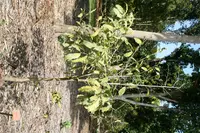
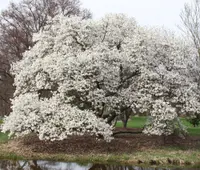
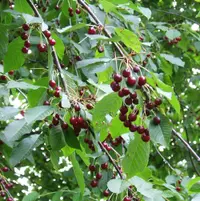
Wild cherry, Prunus avium, is a deciduous tree grown for its spring flowers, glossy bark, and small red to dark purple fruits. It typically develops a tall, upright crown with spreading branches and simple, finely serrated leaves that turn warm colors in autumn.

This species is native to Europe and western Asia but is widely planted and naturalized in many temperate regions. It is generally moderate in difficulty, as it needs space, full sun, and reasonably fertile, well-drained soil to thrive.

Good air circulation and adequate light are important when learning how to care for wild cherry, especially in areas prone to fungal problems.

Main Plant Requirements

Care Difficulty

Moderate Care

Light Preference

Full Sun

Water Requirements

Moderate Water

Temperature Preference

Cold Hardy

Hardiness Zone

5–7

Soil Texture

Loamy, Sandy, Clay

Soil pH

Acidic (5.5–6.5), Slightly acidic (6.5–7.0)

Soil Drainage

Moist but well-drained

Fertilization

Minimal (feed rarely)

Get Personalized Care Plan

Scan your plant to receive care tips personalized for your specific plant

Available on iOS and Android

How to Care for the wild cherry

Prunus avium thrives in full sun but tolerates some light shade, especially in hotter regions.

  • Provide 6–8 hours of direct sun daily, with at least 4 hours of morning sun to support flowering and fruiting.
  • Allow light afternoon shade in hot summers to reduce leaf scorch and water stress, especially for young wild cherry trees.
  • Avoid dense shade, which leads to weak, elongated growth and poor fruit set; prune nearby trees or structures that block sun, particularly in spring.

Water Prunus avium to keep soil consistently moist but never saturated, especially during establishment and fruiting.

  • Before watering, check that the top 3–5 cm of soil are dry; deep-soak the root zone rather than giving frequent shallow waterings.
  • Reduce watering in fall and winter, but in dry summers watch for drooping leaves or shriveling fruit as signs the tree needs a slow, thorough soak.
  • Ensure soil drains freely; persistent puddling, yellowing leaves, or dieback of small twigs suggest overwatering or poor drainage.

This species prefers temperate climates with cool winters and mild to warm summers for reliable growth and fruiting.

  • Optimal growing temperatures are 60–80°F (16–27°C) during the active season, with good air movement to limit fungal disease.
  • Trees tolerate winter lows down to about -10°F (-23°C) when fully dormant, but late spring frosts near 28°F (-2°C) can damage blossoms.
  • In heat above 90°F (32°C), drought stress and sunscald increase, so maintain soil moisture and mulch the root zone to moderate fluctuations.

Humidity is rarely a limiting factor for Prunus avium outdoors in temperate climates.

Prunus avium prefers deep, well-structured mineral soil that stays evenly moist but never waterlogged.

  • Use a loamy soil with moderate organic matter that crumbles easily in hand, not dense or sticky.
  • Aim for slightly acidic to neutral pH, roughly 6.0–7.2, and avoid strongly alkaline or saline sites.
  • In heavier soils, incorporate coarse sand and well-rotted compost to improve drainage and root aeration.
  • Avoid low-lying spots that collect standing water or areas with a compacted hardpan near the surface.

This species can be grown in containers only on a short- to medium-term basis, as its mature size is large.

  • Choose a heavy, wide container to counter the top-heavy canopy and reduce tipping in strong wind.
  • Select a pot at least 45–60 cm deep so structural roots can anchor and access a stable moisture zone.
  • Use a free-draining mix and elevate the pot on feet or blocks so drainage holes never sit in collected water.

Prunus avium benefits from modest, targeted feeding rather than heavy fertilization.

  • Apply a balanced slow-release fertilizer (for example 8-8-8 or 10-10-10) once in early spring as growth starts.
  • In fertile garden soil, use a light top-dressing of compost around the drip line instead of repeated granular feeds.
  • Avoid summer and fall nitrogen boosts, which can trigger soft late growth vulnerable to frost.
  • Skip feeding wild cherry in winter dormancy and always follow label rates at the lower end to prevent salt buildup.

Prunus avium responds well to thoughtful structural pruning that balances light, airflow, and fruiting wood.

  • Time main pruning for late winter to very early spring, before bud break, in dry weather to limit disease entry.
  • Remove dead, diseased, crossing, or inward-growing branches first to open the canopy and improve airflow.
  • Shorten or thin crowded shoots to maintain a stable framework and manage tree height and spread.
  • Use clean, sharp bypass pruners or a pruning saw, making small, angled cuts just outside the branch collar.

Wild cherry is usually grown in the ground; transplant young trees carefully to avoid long-term stress.

  • Transplant in late fall or very early spring when the tree is dormant and soil is workable but not waterlogged.
  • Look for signs such as circling roots in a nursery pot or stalled growth to justify shifting to a larger site or container.
  • Dig a wide planting hole, loosen girdling roots gently, and set the root flare at soil level to prevent rot.
  • Water deeply after planting, mulch 5–8 cm away from the trunk, and keep soil evenly moist during the first 1–2 seasons.

Prunus avium is usually propagated by seed or grafting rather than casual home methods.

  • Collect ripe seeds, clean them, then cold-stratify at 34–41°F for 3–4 months in moist medium to break dormancy.
  • Sow stratified seed in spring in deep containers or nursery beds with well-drained, slightly acidic to neutral soil.
  • Use semi-hardwood cuttings in midsummer only under controlled conditions with rooting hormone and bottom heat.
  • For named cultivars, rely on grafting onto compatible rootstocks to maintain desired fruit and growth traits.

Prunus avium is generally cold hardy in temperate climates and needs limited winter care once established.

  • Apply 5–8 cm of organic mulch over the root zone in late fall, keeping it slightly away from the trunk.
  • Stake and protect young trunks with breathable guards to reduce sunscald and rodent damage in cold regions.
  • For container-grown trees, move pots into a sheltered, unheated but frost-moderated area to prevent root freeze-thaw cycles.

Care Tips

Early scaffold training

In years 1–3, select 3–5 well-spaced main branches around the trunk and gently spread them to a 45–60° angle using cloth ties or branch spreaders to create a strong, open framework for long-term fruiting.

Bird exclusion planning

Install sturdy bird netting over a simple frame before fruits begin to blush, keeping the mesh lifted off the branches so birds cannot reach the cherries through the net.

Trunk and crotch protection

Use a breathable white tree wrap or water-based white latex paint on the south- and southwest-facing trunk and major crotches to reduce sunscald and bark splitting in winter and early spring.

Disease-splash reduction

Keep a 5–10 cm mulch layer and avoid overhead irrigation so water does not splash soil and fungal spores onto lower leaves and fruit, which lowers the risk of leaf spot and fruit rot when growing wild cherry.

Fruit-load thinning

In heavy crop years, thin developing fruit clusters so cherries are spaced about 5–8 cm apart along the branch to reduce limb breakage and improve fruit size and quality.

Common Pests and Diseases

Cherry fruit fly

This pest lays eggs under the cherry skin and the larvae tunnel through the fruit, causing soft spots, browning, and premature fruit drop.

Solution

Use yellow sticky traps to monitor adult flies and time control, remove and destroy infested or fallen fruit, and consider targeted applications of spinosad or other labeled products just after adult flight begins to break the life cycle while still protecting pollinators.

Black cherry aphid

These insects cluster on shoot tips and leaf undersides, causing curling, distortion, sticky honeydew, and sooty mold on leaves and young stems.

Solution

Prune out badly infested shoot tips, hose off colonies with a strong stream of water, encourage natural enemies such as lady beetles, and, if needed, use insecticidal soap or horticultural oil directed at the undersides of leaves during cool parts of the day.

Brown rot

This disease affects blossoms and fruit, causing blossom blight, twig dieback, and soft brown fruit that quickly develop gray-tan spore masses and may shrivel into mummified cherries.

Solution

Remove and discard all mummified fruit and blighted twigs, improve airflow by thinning canopy branches, avoid wetting flowers and fruit when watering, and apply a labeled fungicide during bloom and pre-harvest periods if the disease is persistent or weather is wet.

Cherry leaf spot

This disease causes small purple spots on leaves that turn brown, often leading to yellowing and early leaf drop, especially after wet periods.

Solution

Rake and remove fallen leaves in autumn, keep the canopy open with regular pruning to speed drying, avoid overhead irrigation, and in regions with frequent spring rain use an appropriate fungicide starting at petal fall according to local wild cherry care instructions.

Bacterial canker

This disease produces sunken, dark cankers on branches and oozing gum, often accompanied by dieback of blossoms, spurs, and young shoots, especially after cold or stress.

Solution

Prune out infected branches during dry weather, cutting several inches below visible symptoms, disinfect pruning tools between cuts, avoid heavy nitrogen fertilization, protect trunks and limbs from winter injury, and consider planting on well-drained sites less prone to stress to reduce future outbreaks.

Interesting Facts

Dual domestication history

Genetic studies indicate that sweet cherry was domesticated independently in both Western Europe and Western Asia from wild Prunus avium populations, which helps explain the broad diversity of modern cherry cultivars.

Specialist seed dispersers

The fruits are an important food source for many bird species, which swallow the cherries whole and disperse the hard seeds over long distances in their droppings, directly shaping the natural range of the species.

Cold requirement for flowering

Prunus avium requires a substantial winter chilling period, typically several hundred hours below about 45°F, to break bud dormancy and ensure coordinated flowering in spring.

Botan icon

Did you know?

Ancient wood remains and pollen records show that Prunus avium has been present in Europe since at least the post-glacial period, and the species was already valued and deliberately spread by humans in classical Greek and Roman times for its flavorful fruits and workable timber.

FAQs about wild cherry

This tree grows about 30–60 cm per year once established. Growth is slower in the first 2–3 years while roots develop. With good conditions, it reaches a useful garden size in roughly 8–12 years.

Grow Healthy Plants with Botan Care

Keep your plants happy and healthy with plant identification, disease detection, and easy care guidance.

Botan plant care app — identify plants on mobile

Explore More Plants