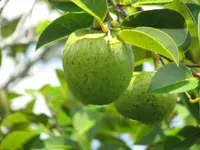
tipa Care (Tipuana tipu)

Also known as: Pride of Bolivia, Rosewood, Tipuana, Tipu Tree
tipa

About tipa

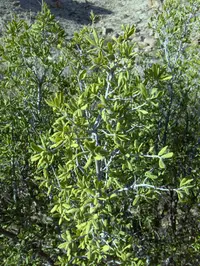
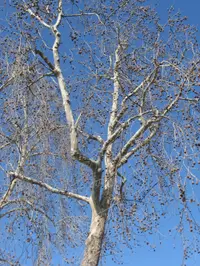
Tipa (Tipuana tipu), also called tipu tree or rosewood, is a fast-growing, deciduous to semi-evergreen shade tree from South America, especially Bolivia and northern Argentina. It is widely planted as a street and landscape tree in warm climates for its broad, spreading canopy and yellow pea-like flowers.

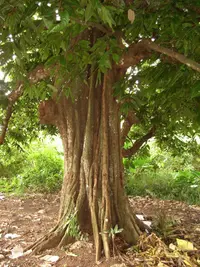
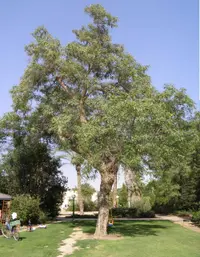
The tree forms a strong central trunk with arching branches and fine, feathery foliage, giving light, filtered shade rather than deep darkness. It is generally considered easy to grow where winters are mild, provided it has full sun and well-drained soil.

Because it grows quickly and becomes large, planning space and long-term structure is important when learning how to care for tipa.

Main Plant Requirements

Care Difficulty

Moderate Care

Light Preference

Full Sun

Water Requirements

Moderate Water

Temperature Preference

Warm Climate

Hardiness Zone

9–11

Soil Texture

Sandy, Loamy, Clay

Soil pH

Slightly acidic (6.5–7.0), Slightly alkaline (7.0–7.5)

Soil Drainage

Well-drained

Fertilization

Minimal (feed rarely)

Get Personalized Care Plan

Scan your plant to receive care tips personalized for your specific plant

Available on iOS and Android

How to Care for the tipa

This fast-growing shade tree needs abundant sun to develop a strong, balanced canopy.

  • Provide 6–8 hours of direct sun daily; full sun is ideal, though light afternoon shade in very hot inland areas reduces leaf scorch.
  • Young tipa trees tolerate light partial shade, but dense shade leads to sparse branching, weak growth, and fewer flowers.
  • In summer, monitor reflected heat from pavement or walls, and in winter, avoid deep shade from buildings that cuts direct light to under 4 hours.

This drought-tolerant tree prefers deep, infrequent watering once established.

  • During the first 2–3 years, water when the top 5–8 cm of soil feels dry, soaking the root zone to 30–45 cm depth each time.
  • For mature Tipuana tipu in the ground, rely mostly on rainfall, adding deep irrigation only after prolonged dry spells or visible leaf droop.
  • Use well-drained soil; persistent puddling, sour smell, or yellowing leaves suggest overwatering, while crisp, curling leaves and dry, cracked soil indicate underwatering.

This subtropical tree thrives in warm climates with mild winters and hot summers.

  • Optimal growth occurs around 70–90°F (21–32°C); growth slows noticeably below 60°F (16°C).
  • Tipuana tipu is frost sensitive; short dips to about 28–30°F (-2 to -1°C) may damage young shoots, and harder freezes can kill small trees.
  • It tolerates dry heat to 100–105°F (38–41°C) if roots are mulched and watered deeply, but prolonged cold, wet conditions increase risk of root and trunk damage.

This species tolerates a wide humidity range and usually does not need special humidity management outdoors.

  • Target ambient humidity around 30–60% when grown in dry inland climates, similar to typical outdoor conditions in many US regions.
  • Leaves may brown at the tips or edges and shed prematurely under prolonged very dry, hot winds combined with drought stress.
  • Mulch the root zone and maintain consistent soil moisture to buffer the canopy against low-humidity stress rather than misting foliage.

This tree prefers well-aerated, free-draining soil that still holds moderate moisture.

  • Use a loamy or sandy loam structure with moderate organic matter, such as native soil blended with 20–30% compost for young Tipuana tipu trees.
  • Ensure fast drainage by incorporating coarse sand or fine gravel in heavier soils to prevent prolonged waterlogging around the root zone.
  • Aim for a slightly acidic to neutral pH around 6.0–7.5, avoiding strongly acidic or saline sites that limit nutrient uptake and growth.
  • Improve aeration in compacted ground by deep cultivation or broadforking before planting and by keeping heavy traffic away from the root area.

This species is only moderately suitable for containers and is best kept in pots for temporary or juvenile stages.

  • Choose a very large, deep, and heavy container to accommodate the fast-growing taproot while reducing the risk of the tree tipping in strong winds.
  • Use a coarse, fast-draining mix, such as 50–60% loam with added pine bark fines and coarse sand, to prevent the root zone from staying saturated.
  • Position the container where it cannot easily be knocked or shifted, as the vigorous canopy becomes top-heavy relative to the pot over time.

This fast-growing leguminous tree usually needs modest feeding, especially on poor soils.

  • Apply a balanced slow-release NPK fertilizer or well-rotted compost once in early spring to support growth.
  • Use light rates, about half the label dose, as the tree can fix some of its own nitrogen.
  • In mid- to late summer, avoid additional high-nitrogen feeding to limit overly soft, weak growth.
  • Stop fertilizing tipa in fall and winter, when growth slows and nutrients are less effectively used.

Thoughtful pruning keeps Tipuana tipu structurally sound and manageable in urban or garden settings.

  • Carry out main pruning in late winter to early spring before vigorous new growth starts.
  • Remove dead, diseased, crossing, or storm-damaged branches first to maintain tree health and safety.
  • Thin crowded interior branches to improve light penetration and airflow while preserving the natural canopy form.
  • Use clean, sharp bypass pruners or a pruning saw, making small, angled cuts just outside the branch collar.

This species is usually field-grown, so care focuses more on transplanting young trees than long-term container culture.

  • Shift container seedlings or saplings once roots circle the pot or growth slows noticeably.
  • Transplant in late winter to early spring, when soil is workable and before strong heat or drought.
  • Move up only 1–2 pot sizes or into a well-prepared ground site with free-draining soil to limit shock.
  • Water thoroughly after transplanting, maintain even moisture, and shade lightly for 1–2 weeks to reduce root stress.

Reproduction of this tree is most often done from seed rather than vegetative methods.

  • Collect mature, dry pods and extract seeds at the end of the growing season.
  • Scarify seeds lightly with sandpaper or a brief hot-water soak to improve water uptake and germination.
  • Sow in spring in a well-drained, sandy mix, keeping the medium slightly moist and warm (70–80°F).
  • Provide bright light, good airflow, and careful watering to avoid damping-off as seedlings establish.

In mild, frost-free climates this tree usually needs minimal winter attention once established.

  • Young trees tolerate only light frost and are best grown in warm USDA zones, generally 9–11.
  • Apply a 5–8 cm mulch layer around the root zone in fall, keeping it back from the trunk to reduce rot risk.
  • In marginal climates, grow Tipuana tipu in large containers and move under cover during hard freezes.

Care Tips

Structural training

Select and maintain a single strong leader branch in the first 3–5 years, removing competing uprights early to build a stable main trunk and reduce future storm damage.

Root zone management

Create and maintain a wide, mulch-covered root zone extending at least 1.5–2× the canopy radius, keeping mulch 7–10 cm deep but pulled 5–8 cm back from the trunk to support extensive lateral roots and reduce soil compaction.

Wind and limb control

In windy sites, reduce end weight on long, horizontal limbs with light structural thinning cuts near the tips every 2–3 years to limit branch breakage while preserving overall canopy density.

Surface root containment

Where surface roots threaten paving, install a 40–60 cm deep vertical root barrier on the paving side when the tree is young, placing it just outside the future trunk flare rather than directly against the stem.

Seasonal litter management

Plan for heavy leaf and pod drop by positioning the tree away from gutters and pools, and schedule seasonal cleanup or light raking under the canopy to reduce slip hazards and discourage pests when growing tipa in high-use areas.

Common Pests and Diseases

Tipu psyllid

This pest feeds on new foliage, causing leaf curling, yellowing, and heavy honeydew that leads to sooty mold on leaves and surfaces below the tree.

Solution

Prune and destroy heavily infested shoot tips, then spray the canopy with a strong stream of water to dislodge nymphs and remove honeydew. For persistent infestations, use a targeted systemic insecticide labeled for psyllids or a horticultural oil during new flushes of growth, and encourage natural enemies by avoiding broad-spectrum chemicals.

Longhorn borers

These insects tunnel under the bark and into the wood, causing branch dieback, exit holes, and sawdust-like frass on the trunk or at the base of the tree.

Solution

Remove and destroy severely affected branches to reduce larval populations and improve tree vigor with deep, infrequent watering and balanced fertilization. For valuable trees, consult an arborist about trunk or soil-applied systemic treatments timed to adult emergence, and keep the tree free of mechanical injuries that attract egg-laying adults.

Leaf spot

This disease causes small brown to dark spots on leaflets that may merge into larger patches, leading to premature leaf drop in humid or wet conditions.

Solution

Rake and discard fallen leaves, and prune to improve light penetration and airflow through the canopy. In areas with recurring problems, apply a copper-based or other labeled fungicide at the start of warm, wet periods, ensuring thorough coverage of the foliage.

Powdery mildew

This disease produces a white, powdery coating on young leaves and shoots, which can distort new growth and reduce vigor in shaded, still conditions.

Solution

Thin crowded branches to increase air movement and avoid overhead irrigation late in the day. If needed, apply a labeled fungicide such as sulfur or a horticultural oil at the first sign of symptoms, repeating according to label directions until new growth emerges clean.

Armillaria root disease

This disease, caused by Armillaria fungi in the soil, leads to gradual decline, yellowing foliage, branch dieback, and white fungal fans under the bark near the root collar.

Solution

Expose the root crown by removing excess soil and mulch from around the base to improve aeration and slow fungal spread, and remove severely affected trees including as much root material as possible. Replant with less susceptible species and avoid overwatering or poor drainage, as stressed trees are more vulnerable and Tipuana tipu care must focus on maintaining strong root health in infested sites.

Interesting Facts

Seasonal yellow carpets

In regions where it is widely planted, this tree is known for producing heavy leaf and flower drop that can create dense yellow carpets under the canopy during its late spring to summer bloom period.

Nitrogen-fixing legume

As a member of the legume family, it forms symbioses with root bacteria that fix atmospheric nitrogen, allowing the tree to improve soil nitrogen levels and grow vigorously on relatively poor soils.

Urban tolerance traits

This species is valued as a street and shade tree because it tolerates compacted soils, air pollution, and reflected heat better than many other ornamental trees of similar size.

Botan icon

Did you know?

In some subtropical cities outside its native South America, this species has become one of the most conspicuous urban trees and is locally regarded as invasive, as its prolific seed production and fast growth allow it to spread from cultivation into riverbanks, disturbed woodlands, and roadsides, where it can outcompete native vegetation.

FAQs about tipa

This species is fast-growing, often adding 0.6–1.5 m per year in suitable climates. Mature trees commonly reach 10–20 m tall with a broad canopy, so it suits large spaces rather than small yards.

Grow Healthy Plants with Botan Care

Keep your plants happy and healthy with plant identification, disease detection, and easy care guidance.

Botan plant care app — identify plants on mobile

Explore More Plants