


Scale insect monitoring
Inspect stems and leaf undersides every 1–2 weeks for scale insects and treat early with horticultural oil, making sure to fully wet the tiny thorny branches where pests often hide.

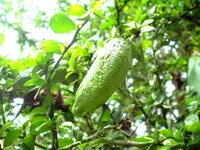
Finger lime, Citrus australasica, is a small evergreen citrus shrub or tree native to the rainforests of eastern Australia. It is grown mainly for its elongated fruits filled with caviar-like juice vesicles.
Plants have small leaves, fine thorns, and a naturally twiggy, upright to bushy habit that suits container growing and pruning. Fruits come in various skin and pulp colors, often used fresh or as a garnish.
This species is considered moderately demanding, as it prefers stable warmth, good light, and consistent moisture without waterlogging. Understanding how to care for Finger Lime focuses on giving it sharp-draining soil, protection from frost, and shelter from extreme heat or drying wind.

Care Difficulty
Moderate Care

Light Preference
Full Sun

Water Requirements
Moderate Water

Temperature Preference
Warm Climate

Hardiness Zone
9–11

Soil Texture
Sandy, Loamy, Organic-rich

Soil pH
Acidic (5.5–6.5), Slightly acidic (6.5–7.0)

Soil Drainage
Well-drained

Fertilization
Light (every 4–6 weeks)
Scan your plant to receive care tips personalized for your specific plant
Available on iOS and Android
This subtropical citrus prefers abundant light with some protection from intense midday sun.
This species prefers consistently moist but not saturated soil, with short dry intervals between waterings.
This plant thrives in mild, frost-free conditions with warm summers and cool, but not cold, winters.
This species prefers moderately humid air but usually adapts to typical home conditions if not kept too dry.
Citrus australasica grows best in loose, sharply drained, slightly acidic soil that still holds moderate moisture.
This species is well suited to container culture when given a stable, well-drained setup.
Citrus australasica benefits from moderate, consistent feeding during the active growing season.
Pruning Citrus australasica supports a manageable structure and maintains healthy, productive growth.
Container-grown Citrus australasica and young landscape trees benefit from thoughtful repotting or transplanting to avoid stress.
Citrus australasica is commonly propagated by seeds for rootstocks and semi-hardwood cuttings for clonal plants.
Citrus australasica is sensitive to hard frost and benefits from targeted winter protection in cooler regions.

Plant Health Check
Not sure what's wrong with your plant? Check your plant's health inside the app.
This species is naturally found as a small understory tree or shrub in subtropical rainforests of eastern Australia, where it grows in dappled light beneath taller canopy trees and tolerates brief, natural flooding events in some habitats.
The fruits contain elongated juice vesicles that separate into firm, caviar-like beads when cut, a structural trait that is unusual among citrus and has made the species highly valued in modern gastronomy.
Wild populations show strong variation in fruit color, size, and shape, from green and yellow to pink and dark red, reflecting high genetic diversity that breeders use when growing Citrus australasica for specialty citrus markets.

This species is naturally pollinated by a range of small native insects in its Australian range, but it also hybridizes readily with other citrus, and several commercial cultivars are complex hybrids that blend its finger-like fruit traits with the vigor or flavor profiles of more common citrus species.
Lack of flowers usually comes from insufficient light, young age, or stress from irregular watering or pruning. Stable conditions, adequate sun, and balanced citrus fertilizer over several seasons are key for reliable flowering and fruiting.
Keep your plants happy and healthy with plant identification, disease detection, and easy care guidance.



-1-200x133.webp)