Hong Kong orchid tree Care (Bauhinia × blakeana)

Hong Kong orchid tree

About Hong Kong orchid tree

The Hong Kong orchid tree (Bauhinia × blakeana) is an evergreen flowering tree valued for its large, orchid-like blooms and graceful, spreading canopy. It is a horticultural hybrid, not found in the wild, and is widely planted as a street and garden tree in warm climates.

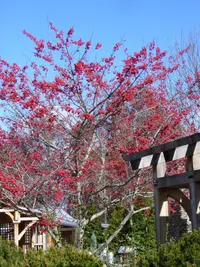
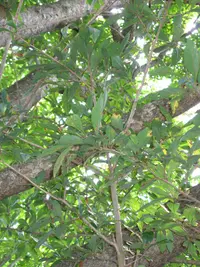
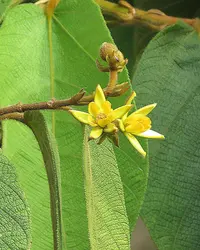
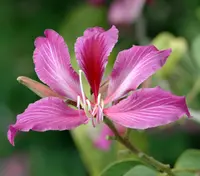
Leaves are rounded and bilobed, often compared to a butterfly shape, and the tree typically forms a broad, umbrella-like crown. Flowers are usually deep pink to magenta, fragrant, and appear over a long blooming season, making it highly ornamental.

This species is considered moderately easy to grow where winters are mild, as it prefers full sun, well-drained soil, and moderate moisture. Understanding how to care for Hong Kong orchid tree helps maintain strong growth and abundant flowering.

Main Plant Requirements

Care Difficulty

Moderate Care

Light Preference

Full Sun

Water Requirements

Moderate Water

Temperature Preference

Tropical / Frost Sensitive

Hardiness Zone

9–11

Soil Texture

Sandy, Loamy, Organic-rich

Soil pH

Slightly acidic (6.5–7.0), Neutral (7.0)

Soil Drainage

Well-drained

Fertilization

Minimal (feed rarely)

Get Personalized Care Plan

Scan your plant to receive care tips personalized for your specific plant

Available on iOS and Android

How to Care for the Hong Kong orchid tree

This tree prefers bright, direct sun in warm climates to flower heavily and maintain a dense canopy.

  • Provide 6–8 hours of direct sun daily; full sun is best, though light afternoon shade helps in very hot inland areas.
  • Tolerates light or dappled shade for part of the day, but flowering decreases and growth becomes more open in too much shade.
  • In summer, protect young trees from harsh reflected heat; in winter, ensure the Hong Kong orchid tree is not shaded all day by buildings or evergreen trees.

Watering should support steady growth without leaving the roots in saturated soil.

  • Irrigate when the top 4–6 cm of soil feel dry, giving a deep soak that moistens the root zone rather than frequent light sprinklings.
  • Ensure fast-draining soil; standing water or a sour smell around the root area indicates poor drainage and a risk of root rot in Bauhinia × blakeana.
  • In the first 2–3 years, monitor closely in hot, dry weather for wilting leaves or crisp edges, and reduce watering in cool or rainy seasons to avoid waterlogging.

This subtropical tree thrives in warm conditions and is sensitive to frost.

  • Optimal growth occurs around 65–85°F (18–29°C), with the best flowering in consistently warm, frost-free climates.
  • The tree is damaged near 30–32°F (-1–0°C) and may be killed by hard freezes; protect young plants if a rare cold spell is forecast.
  • Tolerates short periods of heat up to about 95–100°F (35–38°C) if soil moisture is adequate, but prolonged extreme heat with dry soil can cause leaf scorch and early leaf drop.

This species grows well in outdoor conditions with moderate humidity and usually does not need special humidity management.

  • Target ambient humidity around 40–60% for best foliage and flower development.
  • It tolerates short dry spells but prolonged very dry air can cause marginal leaf browning and premature leaf drop.
  • In very arid regions, group plants near other vegetation or over irrigated beds to slightly raise local humidity without wetting foliage.

This tree prefers a freely draining, slightly fertile substrate that does not stay waterlogged.

  • Use a loamy or sandy-loam structure with 30–40% organic matter such as compost to hold nutrients without becoming heavy.
  • Aim for slightly acidic to neutral pH, roughly 6.0–7.0, which supports nutrient availability for Bauhinia × blakeana.
  • Improve drainage and aeration by blending coarse sand or fine grit plus 10–20% perlite into heavier native soil before planting.
  • Avoid compacted clay, standing water, or mixes dominated by fine peat, which limit oxygen around roots and increase root-rot risk.

This species can be grown in large containers for patios or small gardens when root space and stability are managed carefully.

  • Select a deep, heavy pot to counterbalance the top-heavy canopy and reduce tipping in wind.
  • Choose thick-walled clay or concrete containers if extra evaporation is needed to prevent prolonged wetness around roots.
  • Leave 3–5 cm between soil surface and pot rim to allow thorough, slow watering without overflow, ensuring uniform moisture penetration.

This tree benefits from moderate, targeted feeding to support flowering and steady growth.

  • Use a balanced slow-release fertilizer (such as 10-10-10) or well-rotted compost in spring to support Hong Kong orchid tree growth.
  • Feed every 6–8 weeks during the warm growing season if soil is poor; reduce to light feeding or none in winter.
  • Apply at half the label strength for container plants to avoid salt buildup and root burn.
  • Water thoroughly after applying fertilizer so nutrients move into the root zone and do not sit on the soil surface.

Thoughtful pruning keeps Bauhinia × blakeana healthy, safe, and well shaped.

  • Schedule main pruning in late winter or very early spring, after the coldest weather and main flowering flush have passed.
  • Remove dead, diseased, or storm-damaged branches first, cutting back to sound wood with clean, sharp bypass pruners or a pruning saw.
  • Thin crowded interior branches to improve light and air flow, reducing the risk of fungal problems and weak, spindly growth.
  • Shorten or redirect overly long shoots to maintain desired height and spread, encouraging a balanced crown and strong framework branches.

This ornamental tree is usually grown in the ground, so focus on careful transplanting rather than frequent repotting.

  • Transplant young trees in late winter or early spring, before vigorous new growth, to reduce shock and support rapid re-establishment.
  • Look for signs like circling roots in the nursery container or slowed growth as cues that a plant is ready to move into the landscape.
  • Dig a wide planting hole, loosen encircling roots gently, and set the root flare at soil level to prevent trunk rot and poor anchoring.
  • Water deeply after planting, then keep soil evenly moist for several weeks, using mulch over the root zone to limit stress and conserve moisture.

Propagation of this hybrid is usually done vegetatively because seeds do not come true to type.

  • Use semi-ripe stem cuttings in late spring or early summer, taken from healthy, non-flowering shoots about 10–15 cm long.
  • Remove lower leaves, dip the cut base in rooting hormone, and insert into a sterile, well-drained mix such as 1:1 perlite and peat or coco coir.
  • Maintain bright, indirect light, high humidity, and a stable temperature around 70–80°F until roots form, often after several weeks.
  • Graft onto compatible Bauhinia rootstocks where practiced, as this can improve vigor, uniformity, and adaptation to local soil conditions.

This subtropical tree is frost-sensitive and needs protection in regions with cold winters.

  • In ground, it suits frost-free or very mild climates; sustained temperatures below about 30°F can damage wood and buds.
  • Apply a 5–8 cm mulch layer over the root zone in late fall, keeping it slightly away from the trunk to limit rot.
  • For container plants, move pots indoors or into a bright, frost-free greenhouse before the first hard frost and reduce watering modestly.

Care Tips

Wind training early

If planting in a breezy site, allow moderate wind exposure while the tree is young so the trunk and roots strengthen naturally, but stake loosely for the first 1–2 years to prevent rocking that can tear new roots.

Root flare check

When planting or top-dressing, keep the root flare (where the trunk widens at the base) just above soil level to reduce risk of collar rot and to promote stable anchoring.

Canopy light management

Thin out small interior branches after flowering every 1–2 years so more light and air reach the inner canopy, which helps reduce fungal issues and encourages flower bud formation throughout the tree, not just at the outer tips.

Surface root control

In urban landscapes, install a 5–8 cm organic mulch ring extending at least to the drip line and avoid frequent shallow watering, which helps limit invasive surface roots that can lift paving near the tree.

Salt and smog monitoring

In coastal or high-traffic urban areas, periodically hose off leaves to remove salt and particulate deposits, which helps maintain efficient photosynthesis and is especially useful when caring for Hong Kong orchid tree near roads or parking areas.

Common Pests and Diseases

Leaf caterpillars

This pest chews irregular holes in leaves and can skeletonize young foliage, especially during warm months. Symptoms include rolled or webbed leaves where larvae hide during the day.

Solution

Handpick and destroy visible caterpillars and prune out heavily infested shoots. Encourage or protect natural predators such as birds, and if damage is high, use a targeted product with Bacillus thuringiensis (Bt) on young foliage, following label directions closely.

Scale insects

These insects appear as small, dome-shaped or flat bumps on stems and leaf veins, often accompanied by sticky honeydew and sooty mold. This pest can weaken trees, reduce flowering, and cause leaf yellowing and drop.

Solution

Prune and discard heavily infested twigs, then wipe accessible stems with a cloth dipped in dilute soapy water or horticultural oil. For larger trees, apply a horticultural oil spray during mild weather, ensuring good coverage of branches and the undersides of leaves.

Spider mites

These pests cause fine stippling, bronzing, and eventual leaf drop, especially in hot, dry conditions. Symptoms include fine webbing between leaves and along young shoots.

Solution

Increase humidity around the plant and regularly hose down foliage, focusing on leaf undersides to dislodge mites. If populations persist, apply an insecticidal soap or horticultural oil, repeating at intervals recommended on the product label while monitoring closely during periods of heat and drought.

Leaf spot

This disease produces small brown, tan, or purplish spots on leaves that may enlarge and merge, leading to premature leaf drop. Symptoms include more severe spotting on older, crowded, or poorly ventilated foliage.

Solution

Remove and dispose of fallen and badly spotted leaves to reduce fungal spores, and avoid overhead watering to keep foliage dry. Improve air movement by selective pruning, and in severe, recurring cases, a labeled ornamental fungicide can be applied at the start of warm, wet weather as part of Bauhinia × blakeana care instructions.

Sooty mold

This disease appears as a black, sootlike coating on leaves and stems that grows on the sugary honeydew excreted by sap-feeding insects such as scale or aphids. Symptoms include dull, blackened foliage and reduced photosynthesis, though the fungus usually does not invade plant tissues directly.

Solution

Control the underlying honeydew-producing insects first, then gently wash affected leaves with water to remove the mold. Prune crowded branches to increase light and airflow, which helps leaves dry quickly and discourages further fungal growth.

Interesting Facts

Naturally sterile hybrid

This tree is a man-made hybrid that does not set fertile seed, so it is propagated almost entirely by grafting or cuttings rather than by sowing.

Hong Kong floral emblem

The stylized flower of this species appears on the Hong Kong regional flag and coins, and has been an official cultural symbol of the city since the 1990s.

Unknown wild parents

Genetic and historical evidence suggest it arose from a cross between two Bauhinia species, likely in southern China, but its exact parentage and original wild population have never been confirmed.

Botan icon

Did you know?

All cultivated plants of this species worldwide are believed to descend from a single tree discovered in Hong Kong in the late 19th century, making it an extremely narrow genetic clone line in global cultivation.

FAQs about Hong Kong orchid tree

Poor flowering usually relates to insufficient light, nutrient imbalance, or immature age. Heavy pruning at the wrong time can also remove flower buds. Avoid high-nitrogen fertilizer, prune lightly after flowering, and maintain consistent, moderate watering for reliable blooms.

Grow Healthy Plants with Botan Care

Keep your plants happy and healthy with plant identification, disease detection, and easy care guidance.

Botan plant care app — identify plants on mobile

Explore More Plants