Monkey's comb Care (Apeiba membranacea)

Monkey's comb

About Monkey's comb

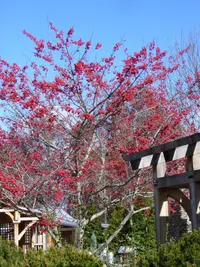
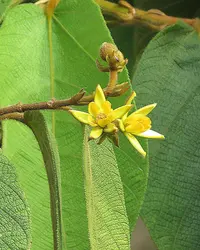
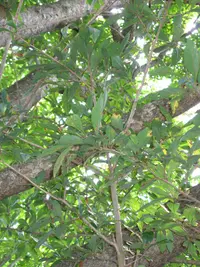
Monkey's comb (Apeiba membranacea) is a fast-growing tropical tree known for its distinctive, spiny, comb-like seed pods and light green, softly hairy leaves. It can reach substantial height in suitable climates and develops a broad, irregular crown that provides light to moderate shade.

This species is native to lowland tropical forests of Central and South America, where it often appears in secondary or disturbed areas. It is generally considered easy to grow in warm, frost-free regions, as it tolerates poor soils and establishes quickly.

For those who want to care for Monkey's comb, it tends to prefer full sun, regular moisture during establishment, and well-drained soil once mature.

Main Plant Requirements

Care Difficulty

Moderate Care

Light Preference

Full Sun

Water Requirements

Regular Water

Temperature Preference

Tropical / Frost Sensitive

Hardiness Zone

11–12

Soil Texture

Loamy, Sandy, Organic-rich

Soil pH

Acidic (5.5–6.5), Slightly acidic (6.5–7.0)

Soil Drainage

Moist but well-drained

Fertilization

Minimal (feed rarely)

Get Personalized Care Plan

Scan your plant to receive care tips personalized for your specific plant

Available on iOS and Android

How to Care for the Monkey's comb

This fast-growing tropical tree prefers strong, consistent light to develop dense foliage and flowers.

  • Provide 6–8 hours of sun daily, ideally with gentle morning sun and light afternoon shade, especially in hotter climates.
  • Tolerates light partial shade, but Monkey's comb forms a looser canopy and fewer flowers if grown under heavy tree cover.
  • In very bright locations, use neighboring trees or structures to filter harsh afternoon sun, which can scorch young leaves and dry new growth.

This species prefers evenly moist, free-draining soil rather than prolonged wet or bone-dry conditions.

  • In the ground, allow the top 3–5 cm of soil to dry slightly, then water deeply so moisture reaches the main root zone.
  • During hot, dry periods, increase watering frequency; in cool or rainy seasons, reduce to avoid soggy soil and root decline in Apeiba membranacea.
  • Watch for yellowing, soft leaves as a sign of overwatering, and crisp, browning leaf edges or drooping new growth as indicators of underwatering.

This tropical tree thrives in warm, frost-free conditions typical of lowland rainforest climates.

  • Ideal growth occurs at 70–86°F (21–30°C), with steady warmth supporting vigorous shoots and flowering.
  • Growth slows below 60°F (15°C), and damage occurs near 40°F (4°C); any frost can injure leaves and young branches.
  • Tolerates short heat spikes up to about 95°F (35°C) if soil moisture is maintained, but extended extreme heat with dry winds can scorch foliage.

This species prefers moderately humid air but usually adapts to typical home conditions.

  • Aim for 50–70% humidity to mimic its native tropical forest edge environment.
  • Leaves may curl, develop crisp tips, or show slow growth under prolonged air below 40%.
  • Increase humidity with a nearby humidifier, grouping plants, or a wide pebble tray rather than frequent misting.

Provide deep, loose, well‑aerated soil that drains freely yet holds consistent moisture.

  • Use a loamy mix of roughly 40% compost, 40% coarse sand, and 20% fine bark to support rapid woody growth.
  • Ensure fast drainage while avoiding waterlogging; standing water around roots increases risk of rot and weak anchoring.
  • Keep pH slightly acidic to neutral, around 6.0–7.0, which suits Apeiba membranacea nutrient uptake.
  • Improve aeration by incorporating coarse sand or small pumice and avoiding compaction from heavy foot traffic or machinery.

This tree can be grown in containers when young or kept small, but long‑term size is limited by root volume.

  • Choose a wide, heavy pot to counterbalance the plant’s developing woody canopy and reduce tipping in wind.
  • Select thick terracotta or similar porous material to release excess moisture if the site receives regular rainfall.
  • Use a deep container that allows a strong taproot and lateral roots to develop without circling tightly too early.

Apeiba membranacea is a relatively low-demand feeder but responds well to moderate nutrition in containers or managed landscapes.

  • Use a balanced, slow-release fertilizer (for example 10-10-10) at the start of the warm growing season for potted or young trees.
  • Supplement with a light top-dressing of compost around the root zone 1–2 times during the growing season, keeping it away from the trunk.
  • Apply fertilizers at half the label strength for container plants to limit salt buildup and root burn risk.
  • Withhold or sharply reduce feeding in cooler months when growth slows, focusing instead on correct watering and light.

Apeiba membranacea benefits from light structural pruning to keep the canopy healthy and manageable.

  • Carry out main pruning at the end of the dry or cool season, just before active growth resumes.
  • Remove dead, diseased, crossing, or storm-damaged branches first, cutting back to healthy wood with clean, sharp bypass pruners or a saw.
  • Thin congested inner branches to improve airflow and light penetration, which supports stronger, cleaner growth.
  • Limit heavy heading cuts and instead use selective thinning cuts to guide height and shape without stressing the tree.

This species is usually grown as a landscape tree, so management focuses on transplanting young plants rather than repeated repotting.

  • Transplant from containers to the ground when roots start circling the pot or growth becomes stunted despite adequate care.
  • Aim to transplant in warm, mild weather with stable moisture, avoiding extremes of heat or drought to reduce stress.
  • Move plants up only 1–2 pot sizes if holding them longer in containers, using a well-drained, organic-rich mix.
  • At transplanting, handle the root ball gently, loosen only tight circling roots, water thoroughly, and maintain consistent moisture until new growth appears.

Propagation of Apeiba membranacea is typically done from seed and is moderately specialized for home growers.

  • Collect ripe seeds from mature fruits, clean them, and sow in late spring to early summer in a sterile, well-drained seed mix.
  • Scarify hard seed coats lightly with sandpaper or a brief soak in warm water to improve germination rates.
  • Maintain 75–85°F, bright indirect light, and evenly moist (not waterlogged) substrate for several weeks while seeds germinate.
  • Raise seedlings in small containers until roots fill the pot, then harden them off gradually before planting in the landscape.

This tropical tree is frost-sensitive and needs protective measures in regions with cool or freezing winters.

  • In frost-prone areas, grow Monkey's comb in large containers that can be moved indoors or into a heated greenhouse before temperatures drop below 40°F.
  • For in-ground plants in marginal climates, apply a 5–8 cm mulch layer over the root zone, keeping it slightly away from the trunk.
  • Use frost cloth or breathable wrap around young trunks and main branches during short cold spells to limit tissue damage.

Care Tips

Early form training

In the first 2–3 years, lightly tip-prune competing leaders and select one strong central stem so the tree develops a stable, upright framework less prone to storm damage later.

Wind and stake management

On exposed sites, use 2–3 low, flexible stakes and soft ties for the first 1–2 years, removing or loosening them annually so the trunk can thicken and support itself.

Mulch for root health

Apply a 5–8 cm ring of coarse organic mulch around but not touching the trunk to keep surface roots cool, conserve moisture, and encourage deeper, stronger rooting.

Dry‑season stress checks

During prolonged dry or hot periods, monitor new leaves for marginal scorch or rolling and, if seen, provide a deep soak and extend the mulched area rather than increasing watering frequency alone.

Space for canopy

When planning a site for growing Monkey's comb, allow several meters of clearance from buildings and other trees so the canopy and root system can expand without future structural pruning.

Common Pests and Diseases

Leaf-chewing caterpillars

This pest commonly attacks young foliage and can skeletonize leaves on seedlings and saplings. Symptoms include irregular holes, missing leaf sections, and frass (small droppings) on leaves or around the base.

Solution

Handpick caterpillars where practical and prune heavily damaged leaves on young trees. Encourage or protect natural predators such as birds, and if damage is severe on juvenile plants, use a targeted biological product containing Bacillus thuringiensis (Bt) in the evening, following label rates and avoiding spray drift to non-target plants.

Leaf-cutting ants

These insects sometimes defoliate young trees by cutting and carrying away leaf pieces to their nests. Symptoms include rapid loss of foliage, clean semicircular cuts, and ant trails leading away from the plant.

Solution

Locate the ant nest by following trails and use ant baits or granular products specifically labeled for leaf-cutting ants around the mound, keeping them away from direct contact with the trunk. For young trees, use a sticky barrier or physical trunk guards and keep surrounding ground clear of debris to reduce access routes.

Scale insects

This pest attaches to twigs and leaf midribs and feeds on sap, causing localized yellowing and reduced vigor, especially in nursery plants or container-grown specimens. Symptoms include small dome-shaped or oval bumps, sticky honeydew, and occasional sooty mold on leaves or nearby surfaces.

Solution

Prune and discard heavily infested twigs and rinse foliage with a strong but controlled stream of water to dislodge crawlers. For persistent infestations, apply horticultural oil thoroughly to branches and leaf undersides during mild weather, repeating as needed according to product directions.

Anthracnose leaf spots

This disease affects foliage during humid, warm periods and is promoted by dense canopy and poor air circulation. Symptoms include small dark water-soaked spots that can enlarge, merge, and sometimes cause partial leaf blight or premature leaf drop on young trees.

Solution

Remove and dispose of fallen, infected leaves to reduce fungal spores and avoid overhead irrigation on nursery stock or landscape specimens. Improve airflow by thoughtful pruning, and if disease recurs in high-value young trees, use a preventative copper- or chlorothalonil-based fungicide at the start of the warm, wet season, following label directions.

Powdery mildew

This disease may develop on shaded or densely planted young trees, particularly in humid but not overly wet conditions. Symptoms include a white or gray powdery coating on upper leaf surfaces, mild leaf distortion, and occasional premature yellowing on heavily affected foliage.

Solution

Increase sun exposure where possible by careful site selection and reduce crowding around the tree to improve air movement. Remove heavily infected leaves on small plants and, if needed, apply a labeled sulfur or potassium bicarbonate fungicide at the first sign of infection, repeating during conducive weather as directed on the label for proper Apeiba membranacea care.

Interesting Facts

Distinctive spiny fruits

This species produces woody, oval capsules covered with stiff, hooked spines that latch onto animal fur, helping seeds disperse through tropical forests of Central and South America.

Light, buoyant wood

The wood is unusually light and buoyant due to its porous structure, and in its native range it has been traditionally used for items like rafts and small floats.

Pioneer forest tree

It often behaves as a pioneer tree, colonizing disturbed or open sites in lowland tropical forests, where its relatively fast growth helps stabilize and shade recovering habitats.

Botan icon

Did you know?

The spiny fruits of this species inspired the common name monkey's comb, because the hooked spines resemble a natural brush that, in folklore descriptions, could be used to groom a monkey's fur.

FAQs about Monkey's comb

This tree grows moderately fast in warm, frost‑free climates, often adding 30–90 cm of height per year once established. Growth slows in poor soil, with drought stress, or when planted outside its preferred tropical to subtropical range.

Grow Healthy Plants with Botan Care

Keep your plants happy and healthy with plant identification, disease detection, and easy care guidance.

Botan plant care app — identify plants on mobile

Explore More Plants