Wind‑firm training
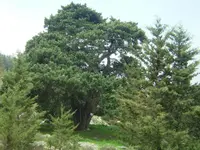
In the first 3–5 years, select 1 strong central leader and remove competing uprights annually so the tree develops a single trunk that resists storm damage and carries its canopy safely.

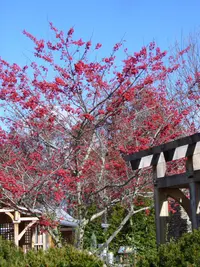
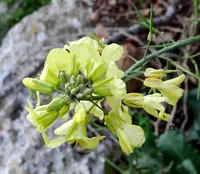
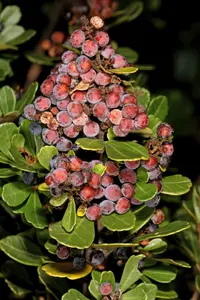
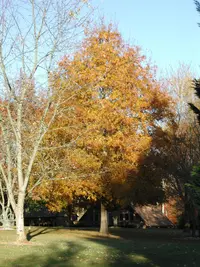
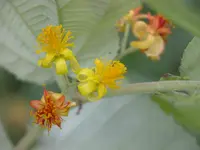
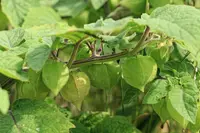
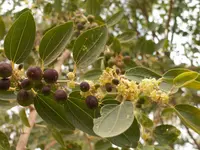
Green hawthorn (Crataegus viridis) is a small deciduous tree or large shrub valued for its white spring flowers, glossy green leaves, and showy red fruits. It has a rounded, often spreading crown and can develop short, sharp thorns along its branches.
This species is native to the southeastern United States, where it grows in woodland edges, stream banks, and moist lowland areas. It generally prefers full sun to light shade and moist, well-drained soil.
Once established, it is relatively resilient and handles a range of garden conditions, which makes it a good choice for landscapes and wildlife gardens. Understanding how to care for green hawthorn helps it stay healthy and maintain its ornamental value over many years.

Care Difficulty
Easy Care

Light Preference
Full Sun

Water Requirements
Moderate Water

Temperature Preference
Cold Hardy

Hardiness Zone
4–8

Soil Texture
Sandy, Loamy, Clay

Soil pH
Acidic (5.5–6.5), Slightly acidic (6.5–7.0)

Soil Drainage
Moist but well-drained

Fertilization
Minimal (feed rarely)
Scan your plant to receive care tips personalized for your specific plant
Available on iOS and Android
This North American hawthorn thrives in full sun but accepts light shade in hotter regions.
Crataegus viridis prefers evenly moist, well‑drained soil once established outdoors.
This hardy hawthorn tolerates a wide temperature range in typical outdoor landscapes.
Humidity is not a major factor for Crataegus viridis, which adapts well to typical outdoor air levels.
Crataegus viridis grows best in moderately fertile, well-structured mineral soil with steady drainage.
This species can be grown in large containers only on a temporary or small-scale basis.
This native tree usually needs minimal feeding once established in the ground.
Pruning Crataegus viridis maintains structure, encourages flowering, and improves safety around thorns.
This species is usually grown in the ground, so focus on careful transplanting of young trees.
Reproduction of this hawthorn is possible but slow and often handled by nurseries rather than home gardeners.
Mature green hawthorn trees are cold hardy in much of the US and generally need little specific winter care.

Plant Health Check
Not sure what's wrong with your plant? Check your plant's health inside the app.
Many green hawthorn individuals develop slender lateral branches with flattened, corky “wings,” a feature that makes winter twig identification much easier compared with many other hawthorns.
Compared with several North American hawthorns, green hawthorn typically has fewer and shorter thorns, which makes it more practical for use as a small ornamental tree in public landscapes.
In its native range, green hawthorn often grows naturally on moist bottomlands and along stream banks, tolerating periodic flooding better than many related hawthorn species.

Green hawthorn is one of the few North American hawthorns consistently noted for retaining clean, glossy foliage with relatively low disease pressure in humid southeastern climates, which has led to its selection and use in breeding programs for more disease‑resistant ornamental hawthorn cultivars.
Lack of flowers usually comes from too much shade, heavy pruning of young wood, or excess nitrogen fertilizer. Ensure full sun, avoid cutting off short flowering spurs, and use a balanced, slow-release fertilizer to support bud formation.
Keep your plants happy and healthy with plant identification, disease detection, and easy care guidance.