sago palm Care (Metroxylon sagu)

sago palm

About sago palm

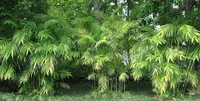
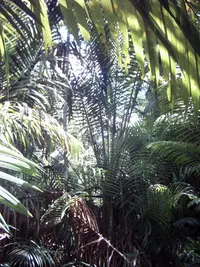
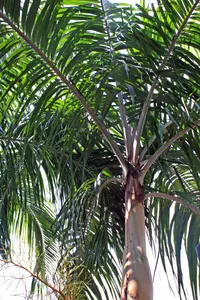
The sago palm, Metroxylon sagu, is a tropical palm grown mainly for its starchy trunk and bold, architectural foliage. It forms a single, upright stem topped by a crown of large, feather-like fronds that create a strong focal point in landscapes.

This species is native to swampy lowlands and river deltas in Southeast Asia and New Guinea, where it thrives in warm, humid conditions and waterlogged soils. In cultivation, it prefers consistent moisture, rich soil, and protection from cold, which can make it more challenging for beginners who want to learn how to care for sago palm.

Main Plant Requirements

Care Difficulty

Hard Care

Light Preference

Full Sun

Water Requirements

Aquatic

Temperature Preference

Tropical / Frost Sensitive

Hardiness Zone

11–12

Soil Texture

Sandy, Loamy, Organic-rich

Soil pH

Acidic (5.5–6.5), Slightly acidic (6.5–7.0)

Soil Drainage

Waterlogged tolerant

Fertilization

Minimal (feed rarely)

Get Personalized Care Plan

Scan your plant to receive care tips personalized for your specific plant

Available on iOS and Android

How to Care for the sago palm

Metroxylon sagu thrives in bright, warm conditions with ample but softened light.

  • Provide 4–6 hours of gentle, filtered sun daily, ideally morning sun with light afternoon shade in hot climates.
  • Tolerates partial shade, but dense shade slows growth and may produce weak, sparse fronds in sago palm plantings.
  • Protect from intense midday sun, which can scorch fronds; increase overhead or side shade during dry seasons with very strong sunlight.

This swamp-adapted palm prefers consistently moist conditions without stagnant water around the roots.

  • Maintain evenly moist soil, allowing only the top 2–3 cm to lose surface sheen before the next thorough soak.
  • In warm seasons, check soil moisture 2–3 times per week; in cooler or rainy periods, reduce watering to avoid prolonged puddling.
  • Watch for yellowing, soft fronds as a sign of waterlogging, and brown, crisp leaflet tips as a sign of underwatering or drought stress.

This tropical palm grows best in stable, warm temperatures with no frost exposure.

  • Aim for 75–88°F (24–31°C) for strongest growth; slight short-term dips are tolerated if soil stays warm and moist.
  • Avoid temperatures below 55°F (13°C); brief exposure near 40°F (4°C) can cause leaf damage and repeated cold slows recovery.
  • High heat above 95°F (35°C) is tolerated if soil moisture is maintained and the plant has some humidity and light shade.

This species prefers consistently moist, high-humidity conditions to mimic its swampy native habitat.

  • Aim for 60–80% humidity; prolonged exposure below 50% increases leaf browning and frond tip dieback.
  • Dry indoor air leads to curled, crispy leaflet edges and slower new frond expansion in sago palm.
  • Increase humidity with grouped plants, a large pebble tray under the pot, or a room humidifier placed nearby.

Metroxylon sagu requires constantly moist, organic-rich, swamp-like substrate rather than typical potting soil.

  • Use a deep, loamy mix with high organic matter, such as 50% peat or coco coir, 30% compost, and 20% sand for structure.
  • Ensure slow but steady drainage; soil should drain excess surface water yet remain evenly damp at root level, never drying out completely.
  • Target slightly acidic to neutral pH around 6.0–7.0, avoiding strongly alkaline mixes that restrict nutrient uptake.
  • Improve aeration and prevent compaction by incorporating coarse sand or fine bark, avoiding heavy clay or pure sand substrates.

This species can be grown in large containers outdoors, mainly as a young or semi-mature specimen.

  • Choose a tall, heavy container to stabilize the increasingly top-heavy trunk as it develops height and mass.
  • Select thick-walled plastic or glazed ceramic to retain constant moisture while avoiding rapid sidewall evaporation in sun and wind.
  • Use a reservoir saucer only if you can monitor water levels closely, preventing the pot base from sitting in stagnant, anaerobic water for long periods.

Metroxylon sagu benefits from moderate, consistent feeding during its warm growing season.

  • Use a balanced slow‑release fertilizer (for example 10‑10‑10) or well‑rotted compost mixed into the topsoil.
  • Feed every 6–8 weeks in spring and summer when growth is active, especially for sago palm grown in nutrient‑poor soils.
  • Reduce or stop feeding in fall and winter when growth slows, to avoid weak, elongated tissue.
  • Apply at half the label strength for young plants and newly established specimens to limit root burn.

Metroxylon sagu needs light, targeted pruning mainly for safety and plant health, not shaping.

  • Carry out pruning in late dry season or early spring, when serious cold or storm risk has passed.
  • Remove dead, diseased, or storm‑damaged fronds at the base using sharp, clean loppers or a pruning saw.
  • Cut away crossing or crowded fronds only if they impede access or airflow, keeping the crown as natural as possible.
  • Avoid heavy canopy reduction, since over‑pruning reduces photosynthesis and can stress the trunk and root system.

Metroxylon sagu is usually field‑grown, so management focuses on careful transplanting of young palms.

  • Transplant during warm, stable weather in late spring or early summer to support fast root recovery.
  • Look for circling roots, rootbound nursery bags, or stalled growth as signs a container seedling needs a larger site.
  • Move plants no more often than every few years, stepping up only 1–2 pot sizes or shifting to a permanent ground position.
  • Minimize root stress by keeping the root ball intact, watering deeply before and after planting, and shading the crown for 1–2 weeks.

Metroxylon sagu is mainly propagated from seeds, which demand warmth, moisture, and patience.

  • Sow fresh, viable seed in late spring to early summer, when ambient temperatures favor germination.
  • Use a sterile, well‑drained medium kept evenly moist, around 77–86°F, to reduce rot and support sprouting.
  • Scarify or soak seeds 24 hours before sowing to soften the seed coat and improve water uptake.
  • Provide bright, indirect light and steady humidity; expect slow, staggered germination and transplant only once seedlings root firmly.

Metroxylon sagu is tropical and highly frost sensitive, so winter protection is essential outside frost‑free climates.

  • Maintain temperatures above 50°F; growth declines sharply below this level and tissue damage occurs near freezing.
  • Mulch the root zone with 5–10 cm of organic material to stabilize soil temperature and moisture in borderline areas.
  • Wrap the trunk and lower fronds with breathable frost cloth during brief cold snaps to limit chilling injury.
  • For container plants, move indoors or into a heated greenhouse before first frost, ensuring bright light and reduced watering.

Care Tips

Stem base protection

Mound clean, well-drained sand or fine gravel 5–10 cm up around the stem base in exposed or flood-prone sites to stabilize young plants and reduce the risk of rot from standing water.

Managed offshoot thinning

Once clumps are established, selectively remove weak or crowded suckers at the base with a clean, sharp saw so that 3–5 of the strongest stems remain, improving airflow and stem diameter for future harvesting.

Water channel management

In very wet ground, create shallow drainage channels leading away from the root zone so water moves slowly past the plant rather than pooling directly at the base.

Leaf handling for access

Tie or temporarily brace older outer fronds upward with soft horticultural ties when access to the trunk is needed, then remove the ties after work to avoid permanent creasing of the foliage while caring for sago palm.

Support in high winds

In cyclone- or hurricane-prone areas, brace tall stems with sturdy stakes and wide, soft straps fixed low on the trunk to reduce wind rock and prevent root disturbance when growing sago palm in open plantations.

Common Pests and Diseases

Rhinoceros beetle

This pest bores into the crown and young leaf bases, chewing V-shaped cuts in emerging fronds and weakening the growing point.

Solution

Remove and destroy infested and decaying plant material around the palms to reduce breeding sites, and regularly inspect the crown for fresh bore holes or damaged spear leaves. In production settings, pheromone traps and manual removal of adults at night are effective; in smaller plantings, physically extracting visible beetles from the crown and keeping the area clean usually gives good control.

Palm weevil

This pest tunnels through the trunk and leaf bases, causing wilting, yellowing, and eventual collapse of the crown when infestations are severe.

Solution

Cut out and destroy heavily infested stems or entire palms that show extensive internal tunneling to prevent spread. Monitor for oozing sap and frass at entry holes, promptly remove suspect tissue, and use pheromone or food-baited traps nearby to reduce adult populations when growing sago palm on a larger scale.

Scale insects

These insects attach to fronds and leaf stalks, sucking sap and causing yellowing, reduced vigor, and sticky honeydew that can lead to sooty mold growth.

Solution

Wipe or gently scrub infested fronds with a soft cloth or brush dipped in mild soapy water, then rinse well and repeat weekly until numbers are low. For persistent infestations on larger plants, apply a horticultural oil or insecticidal soap thoroughly to both sides of the fronds, targeting young crawler stages while avoiding application during very hot, sunny periods.

Leaf spot

This disease causes brown to dark olive spots on fronds, sometimes with yellow halos, which can merge into larger dead patches under humid, crowded conditions.

Solution

Prune and discard affected fronds to reduce spore sources and improve air movement around the plant, avoiding overhead watering that keeps foliage wet for long periods. If spots continue to spread, use a registered copper- or chlorothalonil-based fungicide according to label directions, focusing on young expanding fronds and ensuring good coverage.

Basal stem rot

This disease begins at the base of the trunk or stem with soft, discolored tissue and may lead to yellowing fronds, poor new growth, and eventual plant collapse, especially in poorly drained sites.

Solution

Improve drainage and avoid chronic waterlogging by raising planting beds or using well-drained substrates, and remove severely affected plants to limit the source of infection. At early stages, cut away soft, rotted tissue back to firm, healthy tissue and disinfect tools between cuts; in field or landscape situations, a soil-applied fungicide labeled for palm basal rots may help protect nearby plants.

Interesting Facts

Staple carbohydrate source

The pith of Metroxylon sagu stems is one of the world’s major traditional starch sources and has long supported food security in wet lowland regions of Southeast Asia and New Guinea.

Floodplain habitat specialist

This palm naturally grows in swamp forests and tidal floodplains, tolerating prolonged waterlogging and low-oxygen soils that would kill many other crop plants.

Clonal groves from suckers

Metroxylon sagu spreads by producing many basal suckers, forming large clonal stands where individual trunks flower once, set seed, then die in a monocarpic life cycle.

Botan icon

Did you know?

Metroxylon sagu can accumulate such large reserves of starch in a single trunk that one mature palm may yield enough sago to feed a small household for weeks, making it an exceptionally efficient starch producer per individual plant.

FAQs about sago palm

Yellowing fronds often result from natural aging, chronic overwatering, nutrient deficiency (especially magnesium or nitrogen), or root stress from poor drainage. Check soil moisture, improve drainage, and apply a balanced palm fertilizer according to label directions.

Grow Healthy Plants with Botan Care

Keep your plants happy and healthy with plant identification, disease detection, and easy care guidance.

Botan plant care app — identify plants on mobile

Explore More Plants