


Best Soil for sago palm (Metroxylon sagu)

Metroxylon sagu grows best in a moisture-retentive yet airy soil that supports steady root function and overall plant health.

Soil Texture

Sandy, Loamy, Organic-rich

Soil pH

Acidic (5.5–6.5), Slightly acidic (6.5–7.0)

Soil Drainage

Waterlogged tolerant

Metroxylon sagu Soil Guide

Native to swampy lowlands of Southeast Asia and New Guinea, Metroxylon sagu grows where soil stays consistently moist and rich in decayed plant matter. That habitat explains why sago palm soil should hold water well instead of drying quickly.

The best soil for sago palm is loose enough to let oxygen reach the roots, yet heavy enough to stay evenly damp. Sandy-loamy, organic-rich ground suits this balance. Because it tolerates waterlogged conditions in nature, steady moisture matters more than fast drainage.

A custom mix helps balance air space and moisture for Metroxylon sagu in containers. It also gives more control than using a single bagged soil alone.

100% total mix = 20 scoops
20%
coarse sand4 scoops
20%
perlite or pumice4 scoops
25%
compost or well-aged bark fines5 scoops
35%
high-quality potting soil7 scoops

The finished mix should feel lightly springy, slightly gritty, and evenly moist, with excess water moving through without leaving the root zone stagnant.

A slightly acidic to mildly acidic range around 5.5–7.0 works well for sago palm. Within that range, important nutrients stay more available, which supports steady root activity and balanced growth.

Metroxylon sagu is not known for needing an unusually narrow target, but strongly alkaline or highly acidic soil can reduce nutrient uptake over time. If the pH stays near the middle of its preferred range, overall performance is usually more consistent.

This species handles moisture better than many houseplants, but poor root-zone conditions can still cause decline. Changes in texture or smell are often useful early clues.

Compacted soil:

Compacted soil: if the surface hardens and water stops moving evenly, gently loosen the top layer and plan to refresh the mix with more pore space.

Sour smell:

Sour smell: a swampy odor suggests stale, oxygen-poor conditions, so improve air exchange around the root zone and replace any dense, degraded material.

Fast collapse:

Fast collapse: if the mix shrinks or breaks down quickly, it may be too fine or over-decomposed, so switch to a more stable blend next time.

Persistent wetness:

Persistent wetness: if the container stays heavy for too long, especially indoors, check whether Metroxylon sagu is sitting in a mix that is holding more water than conditions allow.

Find the Right Soil

Botan helps match this plant to a more suitable growing medium based on its needs, making soil choices clearer before problems build up.

FAQ

Yes. Even though this species tolerates wetter conditions than many indoor palms, drainage holes still help excess water leave the container and keep the root zone from turning stale and oxygen-poor.

More Plant Soil Guides

Scan for Soil Problems

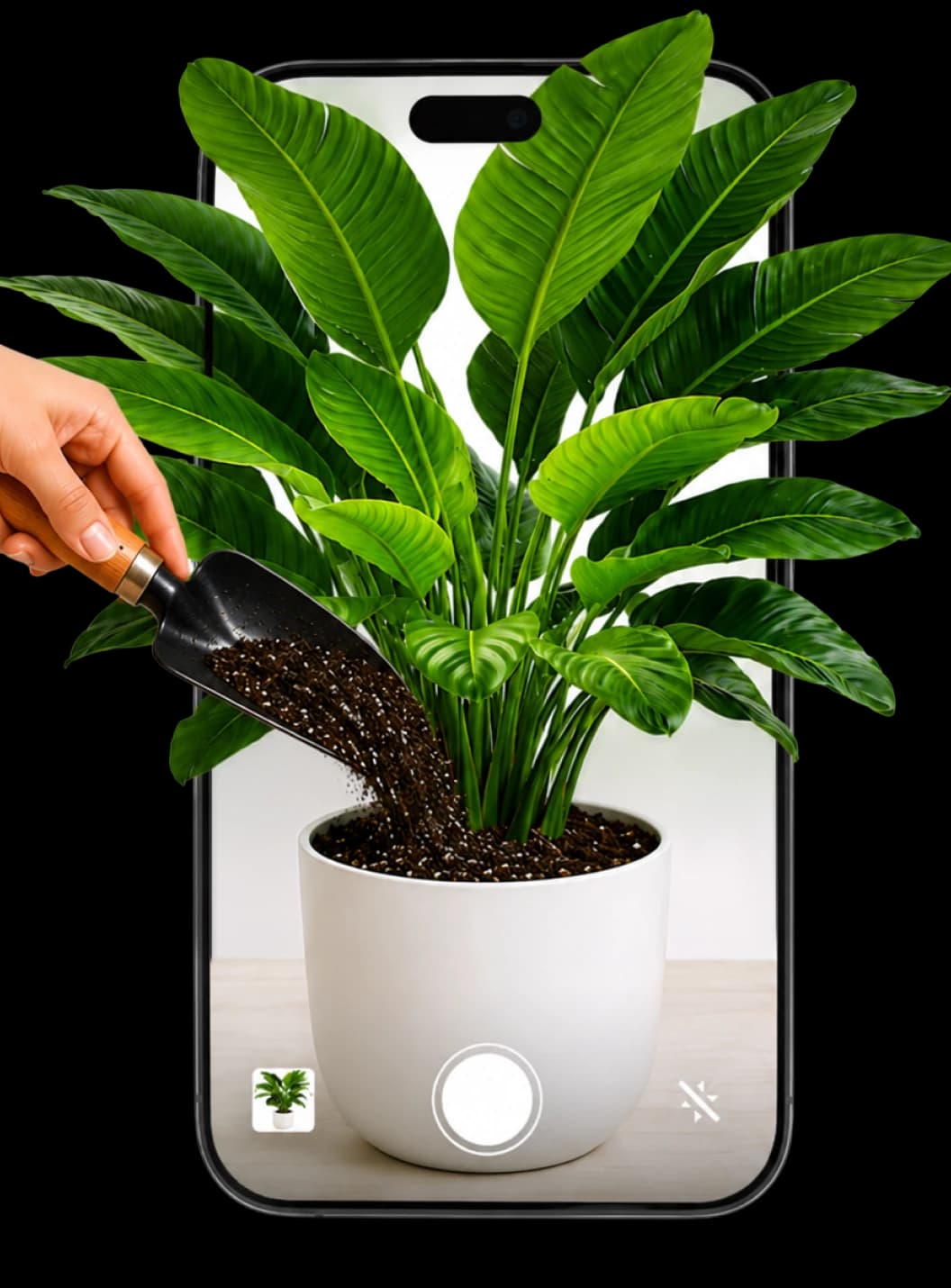
Use Botan’s photo-based assessment to check whether a visible issue may be linked to soil conditions and decide what to inspect next.

Botan app helping with soil and plant care
How Often to Water Fruit Trees

7 min read · 11 Aug 2026

How Often to Water Fruit Trees

Irrigation needs change as roots establish and weather shifts. This guide gives practical starting intervals, explains how soil and tree type change them, and shows how to recognize both excess moisture and drought stress.

Plant Care
How Often to Water Fruit Trees
Rice Water for Plants – Which Plants Love It and How to Make It

8 min read · 14 Jul 2026

Rice Water for Plants – Which Plants Love It and How to Make It

Rice water can be an ideal DIY solution for orchids, roses, or fruiting plants. It supports growth, leaf count, and height. We’ll share how to make and apply it correctly for your plant.

Plant Care
Rice Water for Plants – Which Plants Love It and How to Make It
How Long Can Flowers Go Without Water? Everything You Need to Know

6 min read · 10 Jul 2026

How Long Can Flowers Go Without Water? Everything You Need to Know

Flowers can survive without water anywhere from 1-2 hours to several months, depending on the plant type, species, and growing conditions. Some strong-looking flowers are drought-sensitive, while delicate-looking plants may tolerate long dry periods surprisingly well.

Plant Care
How Long Can Flowers Go Without Water? Everything You Need to Know