



Best Soil for sweet potato (Ipomoea batatas)

Loose, well-drained soil helps Ipomoea batatas develop healthy roots and storage tubers without staying heavy or airless.

Soil Texture

Sandy, Loamy, Organic-rich

Soil pH

Acidic (5.5–6.5), Slightly acidic (6.5–7.0)

Soil Drainage

Well-drained

Ipomoea batatas Soil Guide

Believed to be native to tropical America, Ipomoea batatas developed in warm regions where soils are loose, fertile, and drain well after rain. That background explains its preference for sandy or loamy soil with plenty of organic matter, rather than dense, compacted ground.

Its storage roots enlarge below the surface, so the best soil for sweet potato needs good aeration and enough moisture retention to stay evenly damp without becoming heavy. A slightly acidic to mildly acidic soil suits nutrient uptake and supports steady root development.

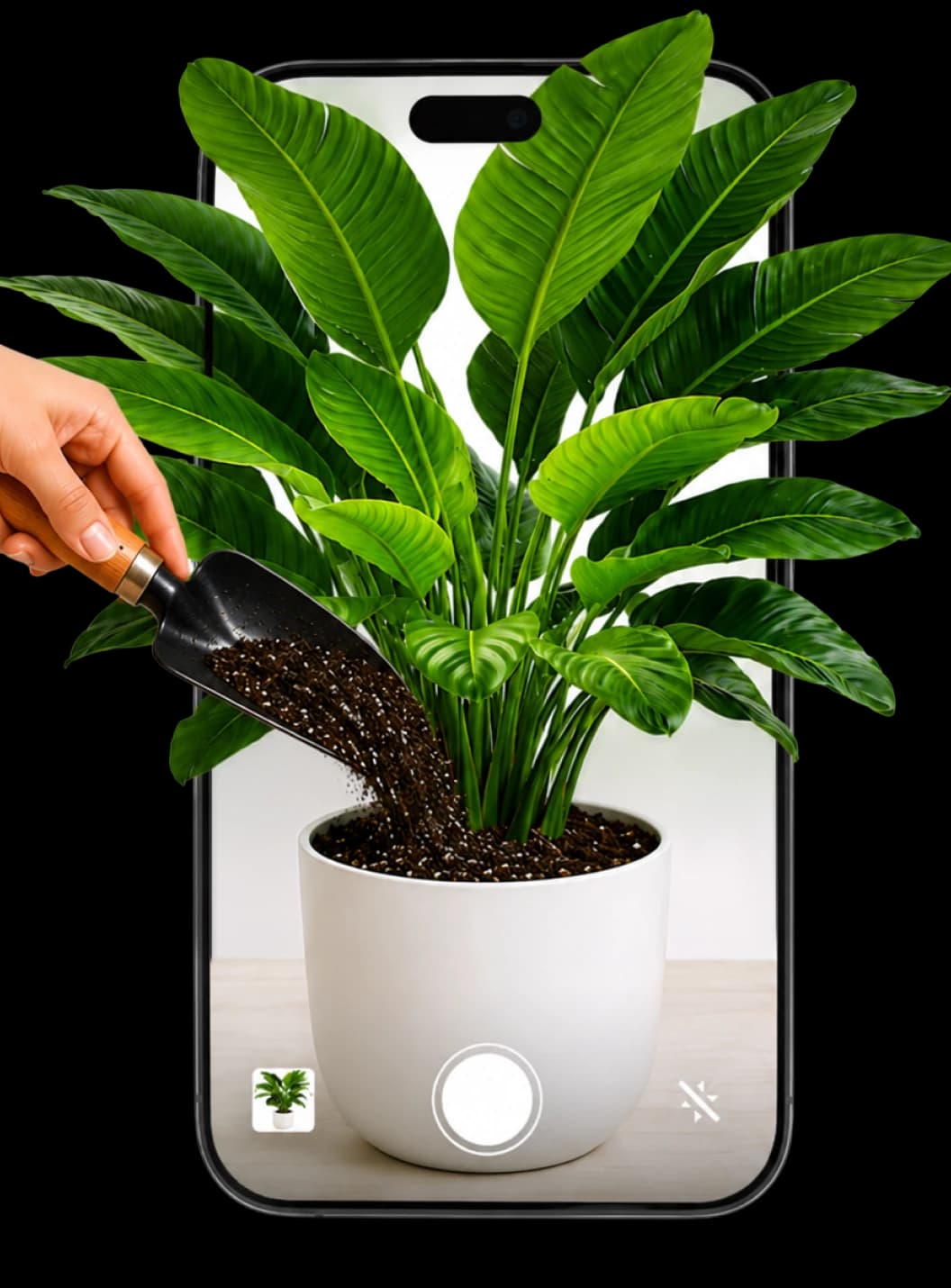
A simple homemade mix can give Ipomoea batatas the balance of airflow and moisture control it needs for steady root development.

100% total mix = 20 scoops
10%
perlite or pumice2 scoops
20%
compost or aged leaf mold4 scoops
30%
coarse sand6 scoops
40%
high-quality potting soil8 scoops

The finished blend should feel light, crumbly, and easy to squeeze apart, with quick drainage and just enough body to stay evenly moist.

A slightly acidic to near-neutral range of about 5.5–7.0 suits sweet potato well. In that range, key nutrients stay more available to the roots, which supports steady growth without pushing the soil too far acidic or alkaline.

If pH drifts far outside that range, the plant may have a harder time taking up nutrients even when they are present in the soil.

This species can struggle when the root zone stays dense or poorly balanced. Storage roots are especially sensitive to soil conditions that limit airflow or expansion.

Compacted soil:

Compacted soil: roots may have trouble expanding and growth can slow, so gently loosen the surface and switch future top-ups to a lighter mix.

Waterlogged mix:

Waterlogged mix: if the container stays heavy for too long, air around the roots drops, so pause extra moisture and check that excess water can leave freely.

Dry, shrinking soil:

Dry, shrinking soil: when the mix pulls from the pot edges, it may be shedding water, so re-moisten it gradually and press it back into contact.

Low organic content:

Low organic content: if the mix seems lifeless and dries unevenly, blend in some well-broken-down organic material to improve texture and moisture balance for Ipomoea batatas.

Match Plant to Soil

Botan helps match this plant to a more suitable soil setup based on how it grows and what kind of root environment it needs.

FAQ

Yes. Deeper soil gives storage roots more room to develop evenly and helps the root zone stay more stable. A shallow container can limit expansion and dry out faster from top to bottom.

Everything About sweet potato

More Plant Soil Guides

Wrong Soil? Check It.

Use Botan’s photo-based assessment to check whether a visible issue may be linked to soil conditions and narrow down what to review next.

Botan app helping with soil and plant care
Is Sugar Water Good for Plants?

4 min read · 14 Sept 2026

Is Sugar Water Good for Plants?

Sugar water may sound like an easy boost, but most rooted plants do not need extra sucrose. This guide explains how green tissues produce carbohydrates, when a sweetened solution can be useful, and why too much can cause problems.

Plant Care
Is Sugar Water Good for Plants?
Dill Companion Plants – What to Grow Next to Dill

9 min read · 17 Jul 2026

Dill Companion Plants – What to Grow Next to Dill

Dill is an easy-to-grow plant that gets along well with many vegetables. This guide describes 15 plants that can be planted alongside it, a few to avoid, and mistakes that can quietly sabotage the entire process.

Plant Recommendations
Dill Companion Plants – What to Grow Next to Dill
13 Best Front Yard Trees for Every Home and Yard

12 min read · 7 Aug 2026

13 Best Front Yard Trees for Every Home and Yard

A front yard tree can stay for decades. Therefore, choosing one deserves serious consideration. Here are 13 trees that have proven themselves, sorted by their purpose. You'll also find five species to avoid and basic planting information.

Plant Recommendations
13 Best Front Yard Trees for Every Home and Yard