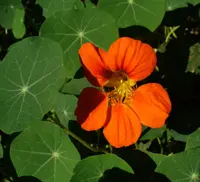




Best Soil for nasturtium (Tropaeolum majus)

For Tropaeolum majus, loose, well-drained soil with a slightly acidic to near-neutral pH supports healthy root growth and steadier overall vigor.

Soil Texture

Sandy, Loamy, Organic-rich

Soil pH

Acidic (5.5–6.5), Slightly acidic (6.5–7.0)

Soil Drainage

Well-drained

Tropaeolum majus Soil Guide

Native to western South America, Tropaeolum majus comes from mild, open settings where water moves through the ground fairly quickly. That background explains why nasturtium soil should feel loose and airy rather than dense. Sandy or loamy soil with some organic matter supports steady moisture without becoming heavy.

Its roots are fairly shallow and benefit from oxygen around them, so well-drained soil is especially important. The best soil for nasturtium holds enough moisture for even growth but still dries a bit between waterings. Slightly acidic to near-neutral soil suits its natural preferences and helps roots function well.

A simple homemade mix gives Tropaeolum majus the balance of airflow and light moisture retention it prefers in containers or raised beds.

100% total mix = 20 scoops
15%
perlite or pumice3 scoops
20%
compost or leaf mold4 scoops
25%
coarse sand5 scoops
40%
high-quality potting soil8 scoops

The finished blend should feel light and crumbly, hold together briefly when squeezed, and let extra water pass through without staying soggy.

A good target is 5.5–7.0 pH, with slightly acidic soil usually giving the most reliable nutrient availability. Nasturtium can handle a fairly broad range within that window, but strongly alkaline conditions may limit access to key nutrients.

Keeping pH near the middle of that range helps roots take up iron, manganese, and other essential elements more efficiently, supporting steady growth in both containers and garden soil.

This species often reacts more to poor root-zone conditions than to minor surface issues. Check the soil first when growth seems stalled or the base stays damp.

Compacted soil:

Dense soil can slow root spread and leave the surface crusted; gently loosen the top layer and replace future fills with a more open mix.

Soggy root zone:

If the soil stays wet for days and the base seems soft, reduce moisture around the roots and check that excess water can drain away freely.

Nutrient-poor fill:

Very depleted soil may lead to weak, pale growth; refresh part of the planting area with a modest amount of organic matter rather than overcorrecting.

Hydrophobic dry mix:

If dry soil shrinks from the pot edge and resists wetting, re-moisten it gradually so Tropaeolum majus roots can reconnect with the mix.

Scan for Soil Tips

Use Botan to identify the plant and get soil guidance that helps match texture, drainage, and container setup to its needs.

FAQ

Yes. A pot with moderate depth gives roots room to spread into a stable, evenly moist zone without creating a large mass of unused wet mix below.

Everything About nasturtium

More Plant Soil Guides

Soil Problem? Scan It.

Scan the plant with Botan to see whether soil could be part of the issue. A photo-based assessment can help narrow down likely causes.

Botan app helping with soil and plant care
How to Bottom Water Plants: Complete Guide

6 min read · 13 Jul 2026

How to Bottom Water Plants: Complete Guide

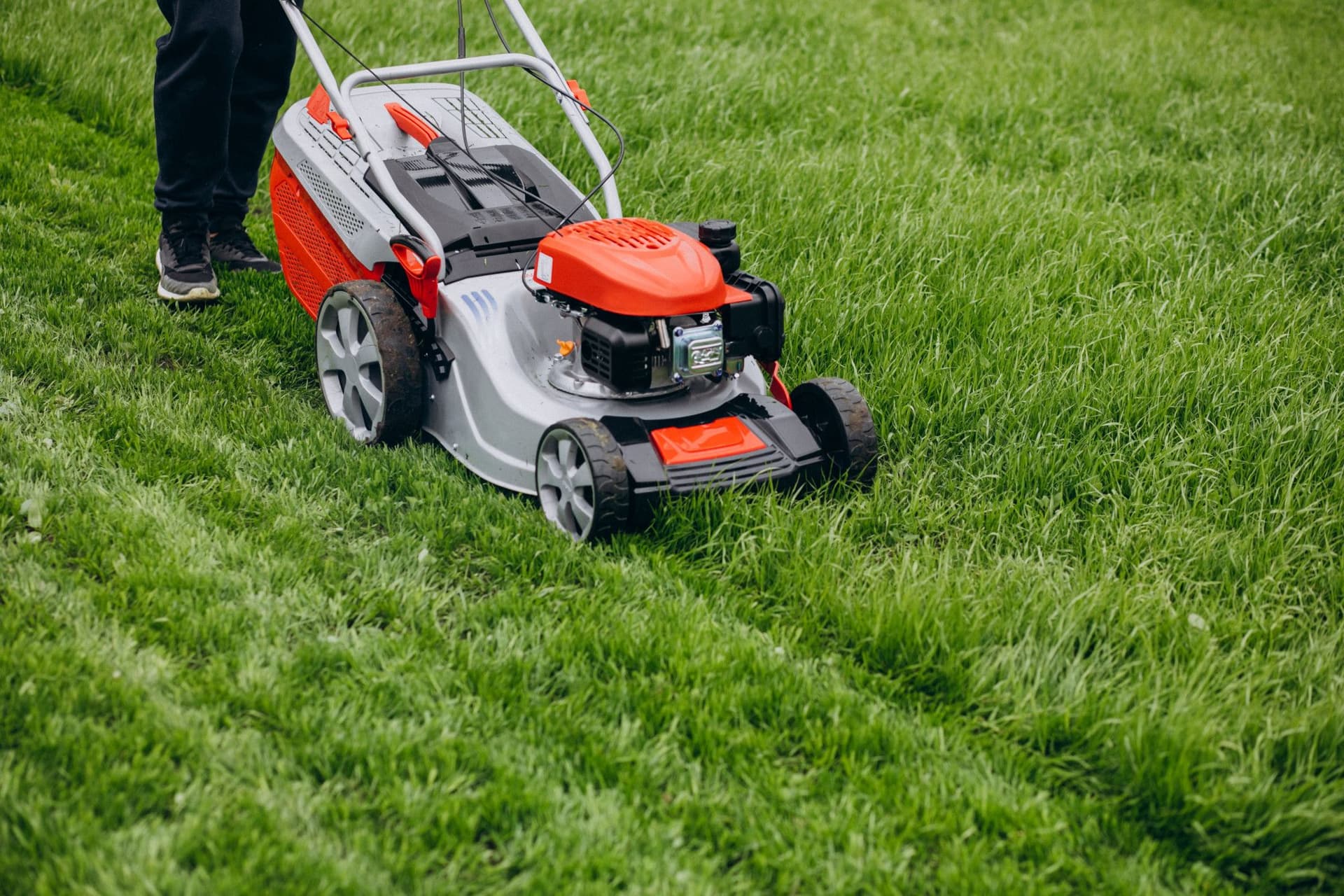
Bottom watering helps soil absorb moisture evenly and keeps foliage dry, reducing the risk of missed dry spots or root problems. Place the pot in a tray of water for a short time, then let it drain well.

Plant Care
How to Bottom Water Plants: Complete Guide
Best Time to Mow Lawn – A Complete Guide

5 min read · 10 Aug 2026

Best Time to Mow Lawn – A Complete Guide

Explore when to mow your lawn for its health and a pleasant green color. Find out the best time for this task during the summer heat, and follow practical tips for correctly cutting the grass, and learn common mistakes to avoid.

Plant Care
Best Time to Mow Lawn – A Complete Guide
Top 5 Best Indoor Plants for Air Quality

5 min read · 11 Sept 2026

Top 5 Best Indoor Plants for Air Quality

Indoor plants can make a room feel fresher thanks to their air-purifying qualities. Here are 5 of the most suitable choices for your routine and living space.

Plant Recommendations
Top 5 Best Indoor Plants for Air Quality