








Best Soil for bamboo orchid (Arundina graminifolia)

Arundina graminifolia grows best in airy, moisture-retentive soil with good drainage, which supports healthy roots and steady growth.

Soil Texture

Sandy, Loamy, Organic-rich

Soil pH

Acidic (5.5–6.5), Slightly acidic (6.5–7.0)

Soil Drainage

Moist but well-drained

Arundina graminifolia Soil Guide

Native to tropical and subtropical Asia, Arundina graminifolia grows in open, bright places with regular moisture and moving air. Those conditions point to a loose, sandy-to-loamy substrate with plenty of organic matter, where roots stay evenly moist but not stagnant.

The best soil for bamboo orchid holds some moisture while still draining freely and keeping air around the roots. Its ground-growing orchid roots benefit from a mix that does not compact easily, because oxygen in the root zone supports steady growth and helps the plant use water efficiently.

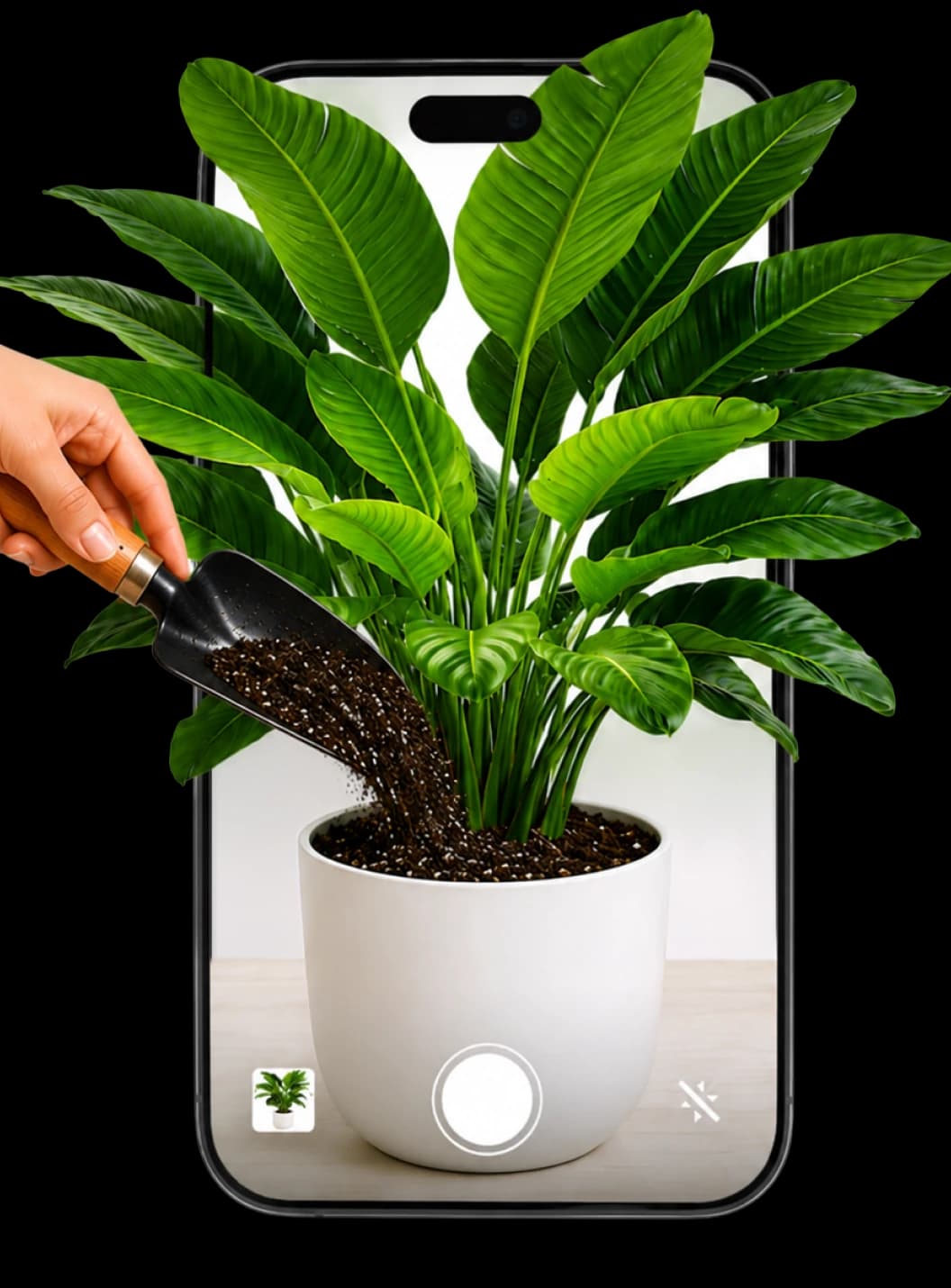
A simple custom mix helps Arundina graminifolia stay evenly moist without becoming heavy or compacted.

100% total mix = 20 scoops
20%
perlite or pumice4 scoops
20%
compost or coco coir4 scoops
25%
fine orchid bark5 scoops
35%
high-quality potting soil7 scoops

The finished blend should feel light, crumbly, and slightly springy, with water moving through easily while some moisture remains around the roots.

A good target is 5.5–6.8 pH. This species prefers slightly acidic to mildly acidic soil, where key nutrients remain available without becoming overly restricted.

If the mix drifts far outside that range, bamboo orchid may absorb nutrients less efficiently even when the soil itself seems otherwise suitable. A mildly acidic root zone is usually the most reliable choice.

Most soil issues come from airflow, compaction, or breakdown of the mix over time. Arundina graminifolia is less tolerant of stale, airless root conditions than many beginners expect.

Compacted mix:

Compacted mix: if the surface hardens and water sits too long, gently loosen the top layer and replace part of the old medium with a fresher, more open mix.

Sour-smelling soil:

Sour-smelling soil: a swampy or stale odor suggests low oxygen around the roots, so improve drainage quickly and remove any badly decomposed material near the top.

Fast-drying root zone:

Fast-drying root zone: if the mix sheds water and dries unevenly, moisten it thoroughly and check whether the organic portion has become too coarse or too sparse.

Find the Right Soil

Botan helps match this plant to a suitable soil setup, so it is easier to choose a mix that fits its growth habit.

FAQ

Yes. Drainage holes are important because this species grows best with moisture that moves through the container instead of collecting at the bottom and keeping the root zone stagnant.

More Plant Soil Guides

Wrong Soil? Check It.

If growth looks off, Botan’s photo-based assessment can help check whether soil conditions may be part of the problem.

Botan app helping with soil and plant care
Plants That Repel Bugs – 20 Effective Options

12 min read · 16 Jul 2026

Plants That Repel Bugs – 20 Effective Options

Mosquitoes on the patio? Gnats in the kitchen? Some plants keep them away with the scent of their own leaves. Here are 20 that deal with mosquitoes, flies, aphids, and more, plus where to put them so they help.

Plant Recommendations

Plants That Repel Bugs – 20 Effective Options
8 Glow-in-the-Dark Plants and Fungi That Really Exist

8 min read · 6 Nov 2026

8 Glow-in-the-Dark Plants and Fungi That Really Exist

Plants that glow in the dusk really exist. Some of them produce their own light, while others need UV exposure or special treatments. Explore eight fascinating examples, including glowing petunias, bioluminescent mushrooms, fluorescent flowers, and experimental succulents.

Plant Recommendations
8 Glow-in-the-Dark Plants and Fungi That Really Exist
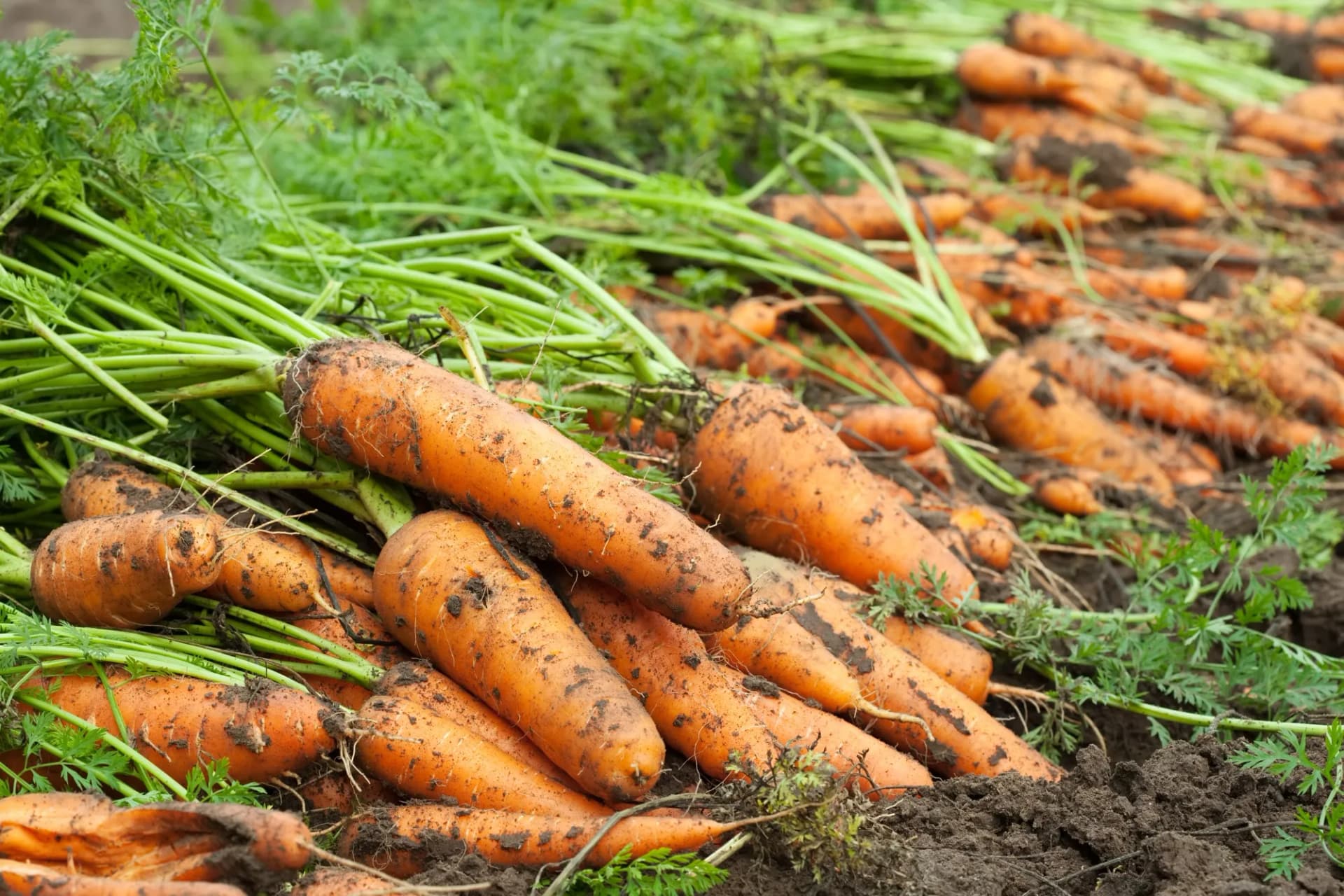
When to Harvest Carrots: Timing, Signs, and How to Pick Them

6 min read · 23 Oct 2026

When to Harvest Carrots: Timing, Signs, and How to Pick Them

Carrots are usually ready 60-80 days after sowing them in the soil, depending on the variety. Learn how to recognize maturity signs, choose the right harvest season, pull carrots without damaging them, and store roots after picking.

Plant Care
When to Harvest Carrots: Timing, Signs, and How to Pick Them