



Best Soil for Japanese banana (Musa basjoo)

For Musa basjoo, a loose, moisture-retentive yet well-drained soil supports steady root growth and healthier underground development.

Soil Texture

Loamy, Sandy, Organic-rich

Soil pH

Acidic (5.5–6.5), Slightly acidic (6.5–7.0)

Soil Drainage

Moist but well-drained

Musa basjoo Soil Guide

Native to the Ryukyu Islands of Japan, Musa basjoo grows in warm, humid conditions where soil stays evenly moist but still drains freely. That background explains why it prefers a loose, fertile substrate with both moisture retention and good airflow around the roots.

Its thick underground rhizome stores energy and pushes up fast new growth, so compacted soil is not ideal. The best soil for Japanese banana is loamy to sandy-loamy, rich in organic matter, and slightly acidic to acidic, giving roots steady moisture, oxygen, and room to spread.

A simple homemade mix can give Musa basjoo the balance of moisture retention and airflow it needs in containers or raised beds.

100% total mix = 20 scoops
15%
coarse sand3 scoops
20%
perlite or pumice4 scoops
25%
compost or well-aged leaf mold5 scoops
40%
high-quality potting soil8 scoops

The finished mix should feel light, crumbly, and slightly springy, holding some moisture without staying soggy after watering.

This species grows fast and makes a substantial root mass, so soil issues can show up sooner than with slower growers.

Compaction:

Dense soil can limit airflow and slow root spread, so loosen the surface gently and replace part of the mix if it stays tight after watering.

Poor drainage:

If the root zone stays wet for long periods or the container drains slowly, switch to a more open mix and check that excess water can escape.

Low organic content:

Thin, depleted soil may dry unevenly and support weaker growth, so work in fresh compost or other stable organic matter near the root zone.

Salt buildup:

White crust on the soil surface can point to mineral accumulation, so scrape off the top layer and flush the soil thoroughly once or twice.

Better Soil Starts Here

Botan helps match this plant to a more suitable soil setup, so it is easier to choose a mix that fits its root needs.

FAQ

Yes. A deeper pot gives the rhizome and roots more room to spread downward, helps buffer moisture swings, and improves stability once the plant becomes taller and heavier.

More Plant Soil Guides

Could It Be the Soil?

Yellowing, collapse, or stalled growth can have several causes. Botan’s photo-based assessment can help check whether soil may be one factor to review.

Botan app helping with soil and plant care
Is Sugar Water Good for Plants?

4 min read · 14 Sept 2026

Is Sugar Water Good for Plants?

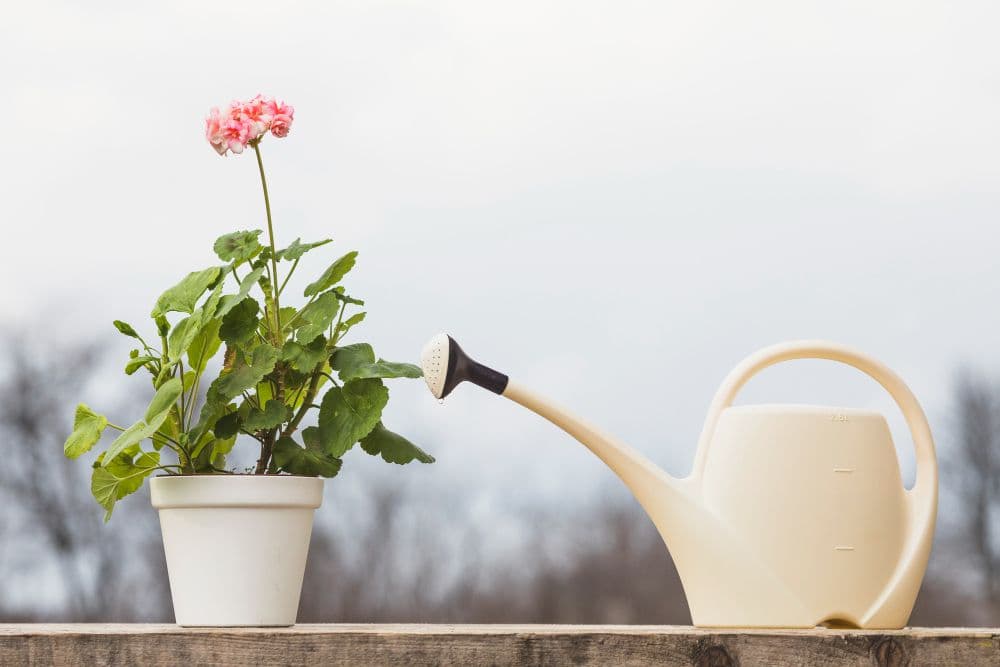
Sugar water may sound like an easy boost, but most rooted plants do not need extra sucrose. This guide explains how green tissues produce carbohydrates, when a sweetened solution can be useful, and why too much can cause problems.

Plant Care
Is Sugar Water Good for Plants?
How Long Can Flowers Go Without Water? Everything You Need to Know

6 min read · 10 Jul 2026

How Long Can Flowers Go Without Water? Everything You Need to Know

Flowers can survive without water anywhere from 1-2 hours to several months, depending on the plant type, species, and growing conditions. Some strong-looking flowers are drought-sensitive, while delicate-looking plants may tolerate long dry periods surprisingly well.

Plant Care
How Long Can Flowers Go Without Water? Everything You Need to Know
Plant Pot Sizes: How to Choose the Right Plant Container

7 min read · 20 Aug 2026

Plant Pot Sizes: How to Choose the Right Plant Container

Plant pot sizes can be confusing because the number on the label only tells you part of the required information. A container may look spacious but actually be too shallow. So, how to choose pot size for plant species?

Beginner Guides
Plant Pot Sizes: How to Choose the Right Plant Container