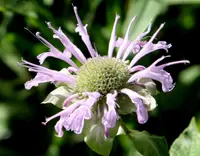



Best Soil for Bee balm (Monarda fistulosa)

Monarda fistulosa grows best in soil with balanced moisture, good drainage, and a slightly acidic reaction that supports steady root health.

Soil Texture

Sandy, Loamy, Clay

Soil pH

Acidic (5.5–6.5), Slightly acidic (6.5–7.0)

Soil Drainage

Moist but well-drained

Monarda fistulosa Soil Guide

Native to much of central and eastern North America, Monarda fistulosa grows in open prairies, meadows, and woodland edges. That background explains why it handles sandy, loamy, or even clay-based ground, as long as the soil stays evenly moist without becoming stagnant.

The best soil for Bee balm balances moisture retention with air around the roots. Its spreading root system benefits from soil that does not dry too fast but still drains well, which supports steady growth and helps the plant establish into a broad, healthy clump.

A simple custom mix helps Monarda fistulosa balance moisture retention with root-zone airflow in containers or raised beds.

100% total mix = 20 scoops
15%
perlite or pumice3 scoops
20%
coarse sand4 scoops
25%
compost5 scoops
40%
high-quality garden soil or all-purpose potting soil8 scoops

The finished blend should feel crumbly and lightly moist, holding together briefly in the hand before breaking apart and draining evenly.

Bee balm prefers slightly acidic to mildly acidic soil, with an ideal range around 5.5–7.0 pH. In that window, key nutrients stay more available to the roots, which supports steady growth and stronger overall performance.

Monarda fistulosa is fairly adaptable within that range, but soil that drifts much higher or lower can make nutrient uptake less efficient even when the soil itself seems rich.

Soil conditions can sometimes contribute to weak growth or root stress in Bee balm, especially where airless or poorly structured ground stays wet for too long.

Compacted soil:

Roots struggle to spread when the ground feels dense and hard; gently loosen the top layer and add organic matter to improve structure.

Waterlogged soil:

If the soil stays heavy and sticky for days, oxygen around the roots may be limited; improve drainage and reduce standing moisture around the planting area.

Fast-drying soil:

Very loose ground can dry unevenly and stress the root zone; mix in moisture-holding organic material to slow moisture loss.

Crusted surface:

A hard surface can block water from soaking in evenly; lightly break the crust and top-dress with compost to improve penetration.

Find the Right Soil

Botan helps match this plant to a more suitable soil setup based on its growing conditions and container or garden placement.

FAQ

Often yes. Loosen the planting area, break up dense spots, and mix in compost if the ground is poor or compacted. That creates more even moisture and better root spread from the start.

More Plant Soil Guides

Scan for Soil Problems

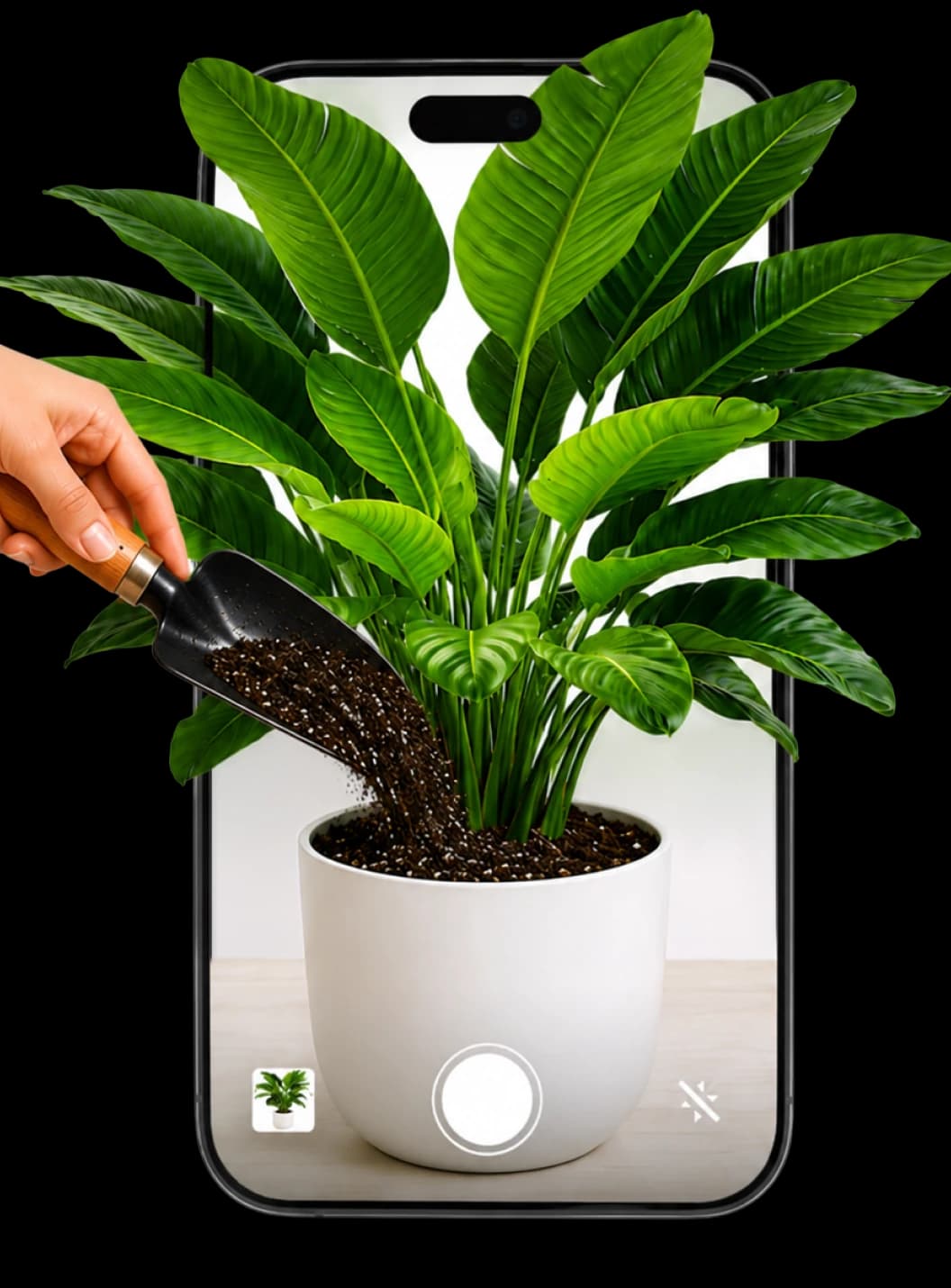
Use Botan’s photo-based assessment to check whether a visible issue may be linked to soil conditions and decide what to review next.

Botan app helping with soil and plant care
How Often to Water Fruit Trees

7 min read · 11 Aug 2026

How Often to Water Fruit Trees

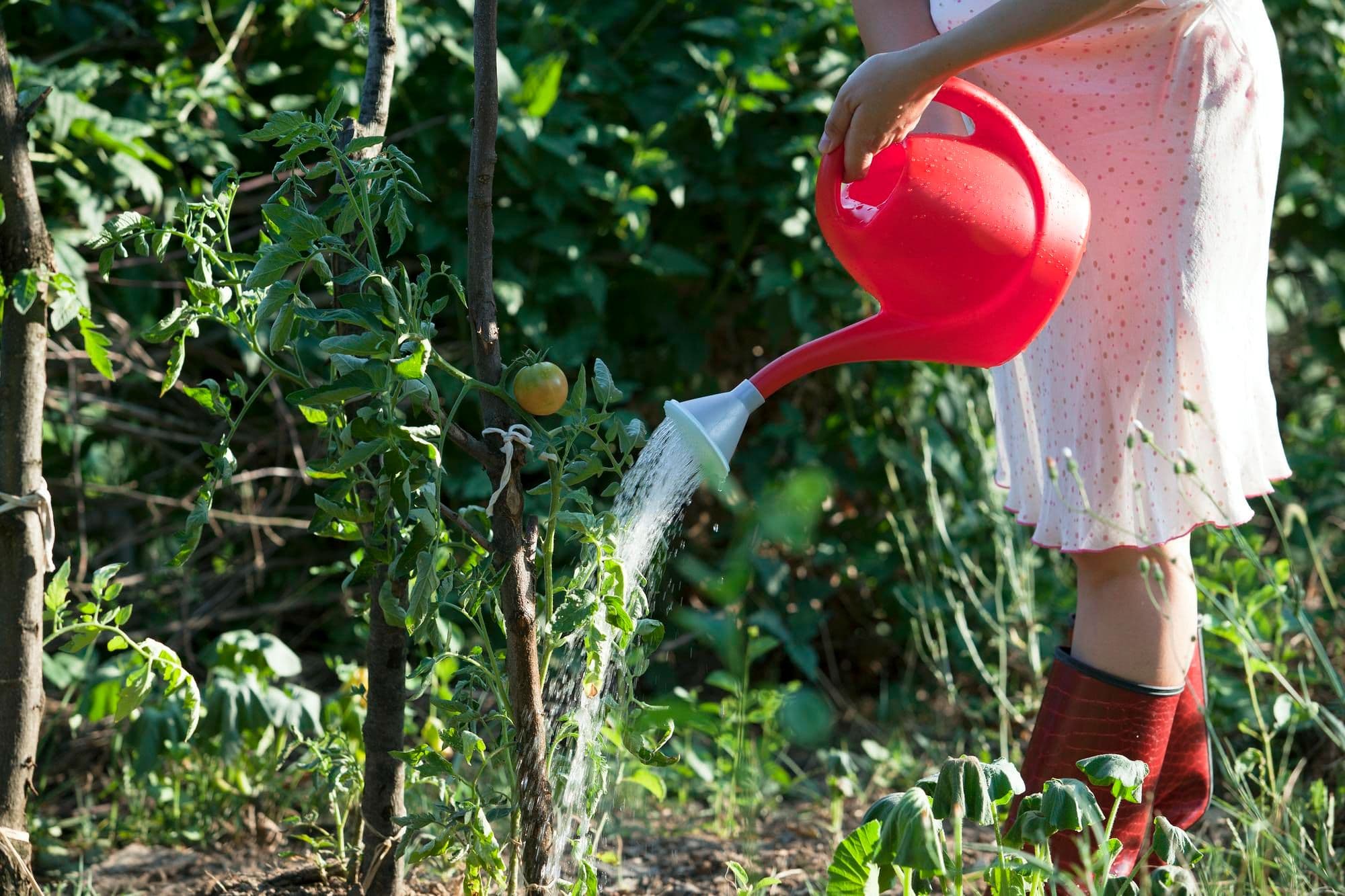
Irrigation needs change as roots establish and weather shifts. This guide gives practical starting intervals, explains how soil and tree type change them, and shows how to recognize both excess moisture and drought stress.

Plant Care
How Often to Water Fruit Trees
12 Best Landscaping Trees for Your Garden

8 min read · 6 Oct 2026

12 Best Landscaping Trees for Your Garden

Choosing the landscape tree depends on what your garden needs most. These 12 options include compact flowering specimens, colorful deciduous trees, shade varieties, and evergreens suitable for screening and year-round structure.

Plant Recommendations
12 Best Landscaping Trees for Your Garden
Top 5 Best Indoor Plants for Air Quality

5 min read · 11 Sept 2026

Top 5 Best Indoor Plants for Air Quality

Indoor plants can make a room feel fresher thanks to their air-purifying qualities. Here are 5 of the most suitable choices for your routine and living space.

Plant Recommendations
Top 5 Best Indoor Plants for Air Quality