How Often to Water Fruit Trees
Irrigation needs change as roots establish and weather shifts. This guide gives practical starting intervals, explains how soil and tree type change them, and shows how to recognize both excess moisture and drought stress.

On this page
- Fruit Tree Watering Schedule by Tree Stage
- Factors That Affect Fruit Tree Watering Frequency
- Climate and Temperature
- Soil Type
- Tree Size
- Rainfall
- Seasonal Fruit Tree Watering Schedule
- Watering Fruit Trees in Summer
- Watering Fruit Trees in Spring
- Watering Fruit Trees in Fall
- Watering Fruit Trees in Winter
- Fruit Tree Watering Guide by Tree Type
- How to Water Fruit Trees Properly
- Signs of Overwatering and Underwatering
- Overwatering
- Underwatering
How often to water fruit trees depends largely on how recently they were planted. As a starting point, water a new tree daily for 1-2 weeks, every 2-3 days through week 12, then weekly until roots establish, unless substantial rain has soaked the root zone. Once established, they usually need deeper irrigation at longer intervals.
Species matters too. If you are unsure what tree you have, Botan can identify it from a photo and provide care guidance. The sections below explain how soil, weather, season, and irrigation method change the schedule.
Fruit Tree Watering Schedule by Tree Stage
To decide how often to water new fruit trees, start with how long they have been in the ground, since watering becomes less frequent as roots spread beyond the original planting area.
Tree age | Watering frequency | Notes |
First 1-2 weeks after planting | Daily | Apply water slowly over the planted root area. More than 1 inch of rain in one day may replace a scheduled watering. |
3-12 weeks after planting | Every 2-3 days | Keep the planting area moist without leaving it saturated. Check the soil before adding more water. |
After 12 weeks until roots establish | Once a week | Expand the watered area as roots spread. Establishment may take several years, especially for a larger tree. |
Established tree | When the top 6-9 inches of soil are dry | Water the broad area where roots spread, rather than concentrating moisture beside the trunk. Consistent rainfall may reduce or eliminate supplemental irrigation. |
These intervals are general starting points, so adjust the actual frequency for soil type, climate, and rainfall, which the next section covers.
Identify Your Fruit Tree
See species-specific care guidance in one place

Identify Your Plant’s Problem
Scan with Botan for an instant diagnosis — 98%+ accuracy
Factors That Affect Fruit Tree Watering Frequency
The question “how often should fruit trees be watered?” has no single answer, because heat, soil texture, root development, and rainfall all affect how quickly the root area dries.
Climate and Temperature
Hot, dry weather removes moisture from the soil faster and increases moisture loss through the leaves. Wind and low humidity can speed that process, especially while a tree is establishing. Check the ground more often during a heat spell, then shorten the interval only when the root zone is drying sooner than usual.
Soil Type
Well-drained sandy soil retains less moisture and usually needs smaller amounts more often. Clay retains moisture longer, absorbs it more slowly, and can stay wet after heavy rain. Check the soil 4-8 inches below the surface and irrigate when it feels dry or only slightly damp.
Tree Size
A newly planted tree relies on its compact root ball, so moisture must reach that limited area regularly. As roots spread, widen the watered zone instead of continuing to soak only the ground beside the trunk.
A Cavendish banana looks tree-like but is a large herb, so height alone is not a reliable guide to its moisture needs. A larger established tree has a broader root area, so irrigation must cover more ground, while frequency still depends on how quickly the soil dries.
Rainfall
Rain should change the schedule only if it reaches the active root zone. A short shower may wet only the surface while deeper soil remains dry. Check below the surface before skipping the next session.

Seasonal Fruit Tree Watering Schedule
Temperature, rainfall, and evaporation change through the year, so watering frequency should follow current soil conditions rather than the calendar alone.
Watering Fruit Trees in Summer
How often to water fruit trees in summer depends on heat, wind, recent rainfall, and soil texture. During hot weather or prolonged dry spells, check the root zone more frequently, especially around newly planted trees.
When the soil begins to dry below the surface, irrigate slowly so moisture reaches the active root zone instead of only wetting the surface.
Watering Fruit Trees in Spring
Spring growth raises moisture demand, but regular rainfall may keep the ground moist for longer. Check the root zone before watering, especially after a wet week. New trees need closer monitoring because their roots still occupy a small area.
Watering Fruit Trees in Fall
Cooler days reduce evaporation, so the interval between sessions often becomes longer. Continue checking recently planted trees during dry spells while leaves remain active. In regions with freezing winters, give the root zone a thorough soak during a dry fall before the ground freezes.
Watering Fruit Trees in Winter
Dormant deciduous trees use less moisture, and rain or snowmelt may be sufficient. Avoid irrigating frozen or waterlogged soil. In mild climates, evergreen fruit trees such as citrus may still need irrigation during dry periods when rainfall is limited and the soil begins to dry.

Fruit Tree Watering Guide by Tree Type
The directory of all edible plants includes species with different root systems and climate needs, so the table gives flexible starting points rather than fixed schedules.
Fruit tree type | Typical watering frequency | Notes |
Regularly during dry spells for the first two years; during prolonged drought once established | Water the root area deeply. Container-grown trees need more frequent moisture checks. | |
Pear | Once a week during dry weather in the first year; during prolonged dry spells once established | Check the soil first. Roots should remain moist without becoming waterlogged. |
Once a week during dry weather in the first year; during prolonged dry spells once established | Monitor moisture closely while the fruit is developing, especially in sandy soil. | |
Once a week during dry weather in the first year; during prolonged dry spells once established | Let the upper soil begin to dry, then soak the root area slowly. | |
Once a week during dry weather in the first year; during prolonged dry spells once established | Maintain steady moisture during fruit development and avoid saturated soil. | |
Fig | Check daily in hot, dry weather when newly planted or root-restricted; water only during very dry periods once established in the ground | Restricted roots and locations beside walls can dry faster. |
Citrus | Check regularly during warm, active growth; water when the upper soil begins to dry | Container-grown citrus needs more frequent checks. Extend the interval during cooler periods. |
Check regularly in warm, dry weather; water when the upper soil begins to dry | Guava prefers moisture-retentive, well-drained soil. Extend the interval after heavy rain. |
Adjust these ranges for rainfall, drainage, tree size, and how quickly the soil dries.
How to Water Fruit Trees Properly
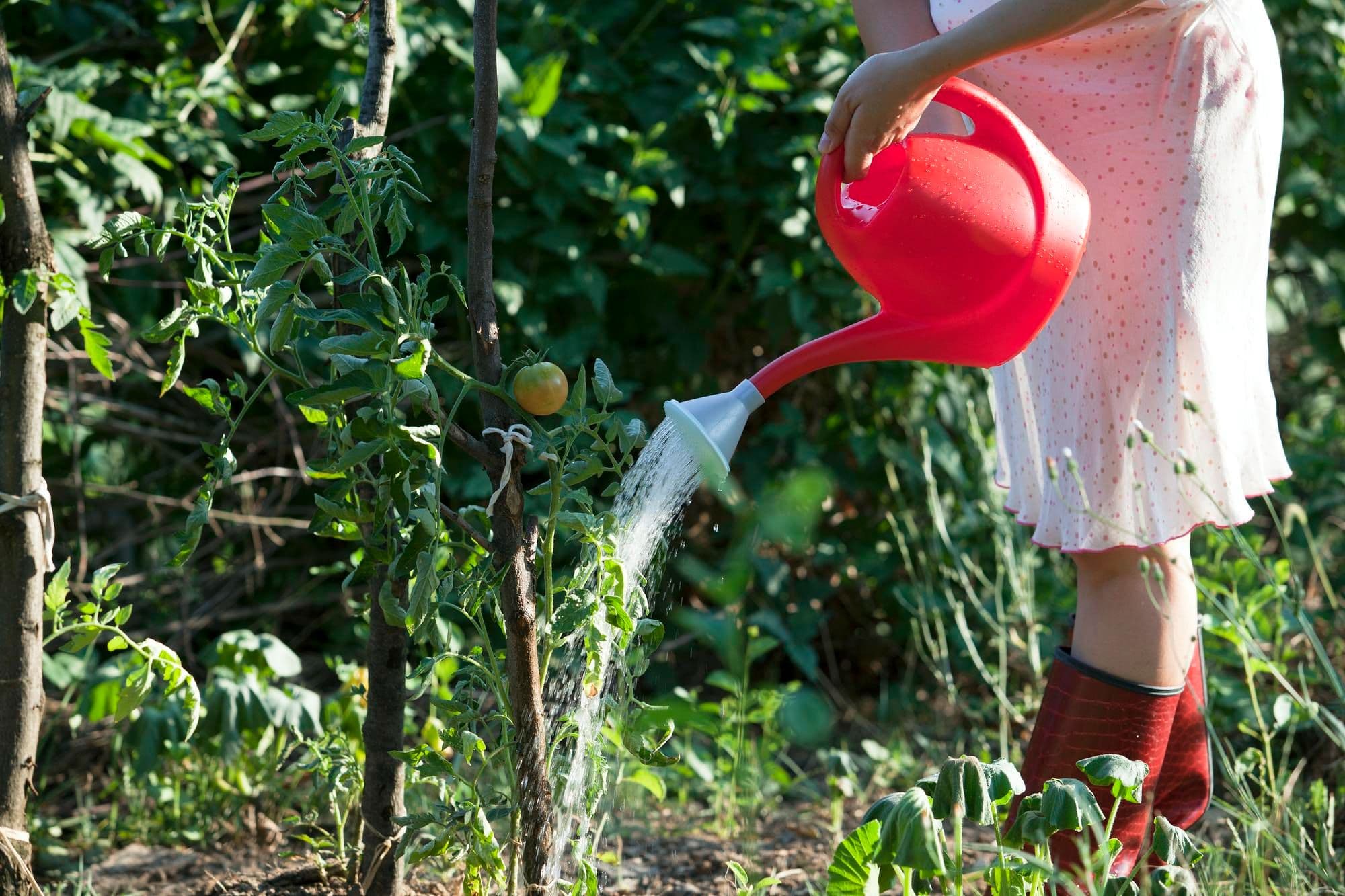
How much water do fruit trees need? A thorough session should moisten the soil across the root zone to a depth of about 6-9 inches. For a passion fruit vine, follow the same root-zone principle: irrigate the soil around the base rather than the foliage.
- Irrigate slowly. Use a drip line, soaker hose, or gentle hose flow so the water soaks in instead of running across the surface.
- Start at the root ball. For a new tree, wet the original planting area, then expand outward as roots establish.
- Keep the trunk clear. Aim the flow at surrounding soil rather than directing it against the bark.
- Check before repeating. Delay the next session if the ground below the surface is still moist.
- Account for recent weather. Skip irrigation after soaking rain and inspect the root zone more often during hot or windy periods.
- Choose early morning. The best time to water fruit trees is before daytime heat increases evaporation and wind causes additional water loss.
- Mulch the root area. Spread organic material over the soil and leave a clear gap around the trunk.
No single number of gallons works for every tree or site, so check how far moisture has moved after each session. Slow, thorough irrigation should reach the root area without leaving the soil waterlogged.

Signs of Overwatering and Underwatering
Excess water and drought can produce similar symptoms, so check the soil before changing the watering schedule.
Overwatering
Soil remains wet long after irrigation, while leaves may turn yellow, wilt, or drop. Growth may slow, and prolonged waterlogging may leave roots dark and soft because saturated ground contains less oxygen.
Underwatering
The root zone feels dry, and leaves may droop, develop brown edges, or drop early. Continued water stress can slow growth and reduce fruit size.
Wilting can occur in both cases, so check moisture below the surface and how well the soil drains.
FAQ
Water only when the soil is unfrozen and has begun to dry below the surface. Rain, snowmelt, or consistently wet ground may mean that no additional irrigation is needed.
Alex Yar
Plant Expert
7+ years of experience studying plants, researching their diseases, and examining their characteristics.
Alex is a plant expert and writer with more than 7 years of experience studying plants, their growing requirements, and their responses to environmental conditions. His areas of expertise include plant care, disease recognition, stress diagnosis, pest-related problems, and the distinctive characteristics of different species.
Over the years, Alex has developed a strong practical understanding of how light, temperature, humidity, watering, soil conditions, and nutrition affect plant health. He combines careful observation with in-depth research to explain effective care and recovery methods.
Alex has extensive hands-on experience caring for houseplants. His articles translate complex botanical topics into clear guidance that helps you better understand your plants and recognize early warning signs.
Related Articles

5 min read · 28 Sept 2026
How to Winterize Your Garden in 6 Steps
Learn how to prepare your garden for winter with a practical six-step checklist covering cleanup, tender plant care, watering, mulching, winter protection, and winterizing equipment and containers.
6 min read · 15 Sept 2026
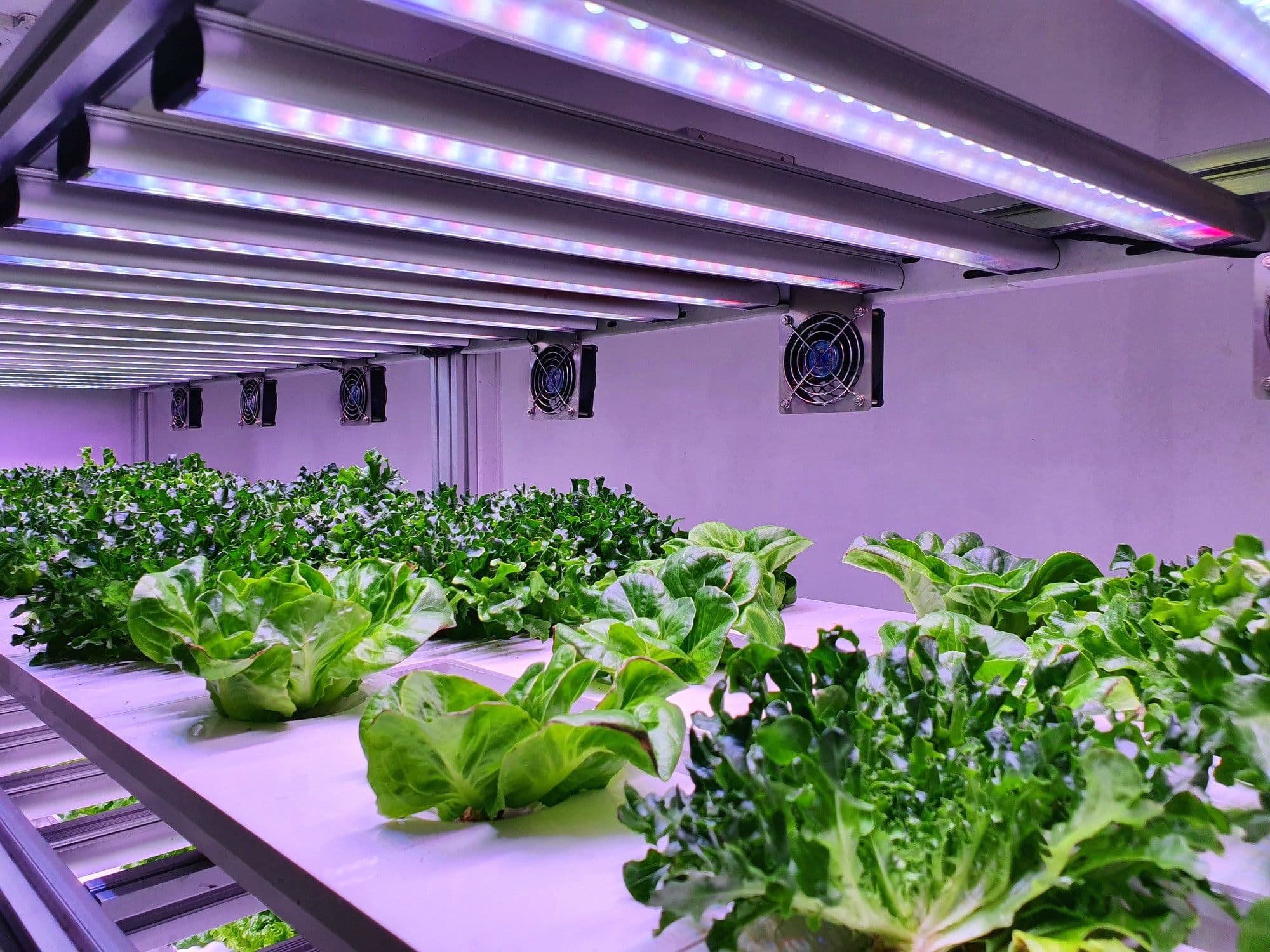
Can Plants Grow With Artificial Light?
Plants can grow under artificial light when the setup provides a suitable spectrum, enough intensity, and sufficient daily exposure. This guide explains how artificial lighting compares with sunlight, which options work indoors, and how to match a setup to houseplants.
4 min read · 14 Sept 2026
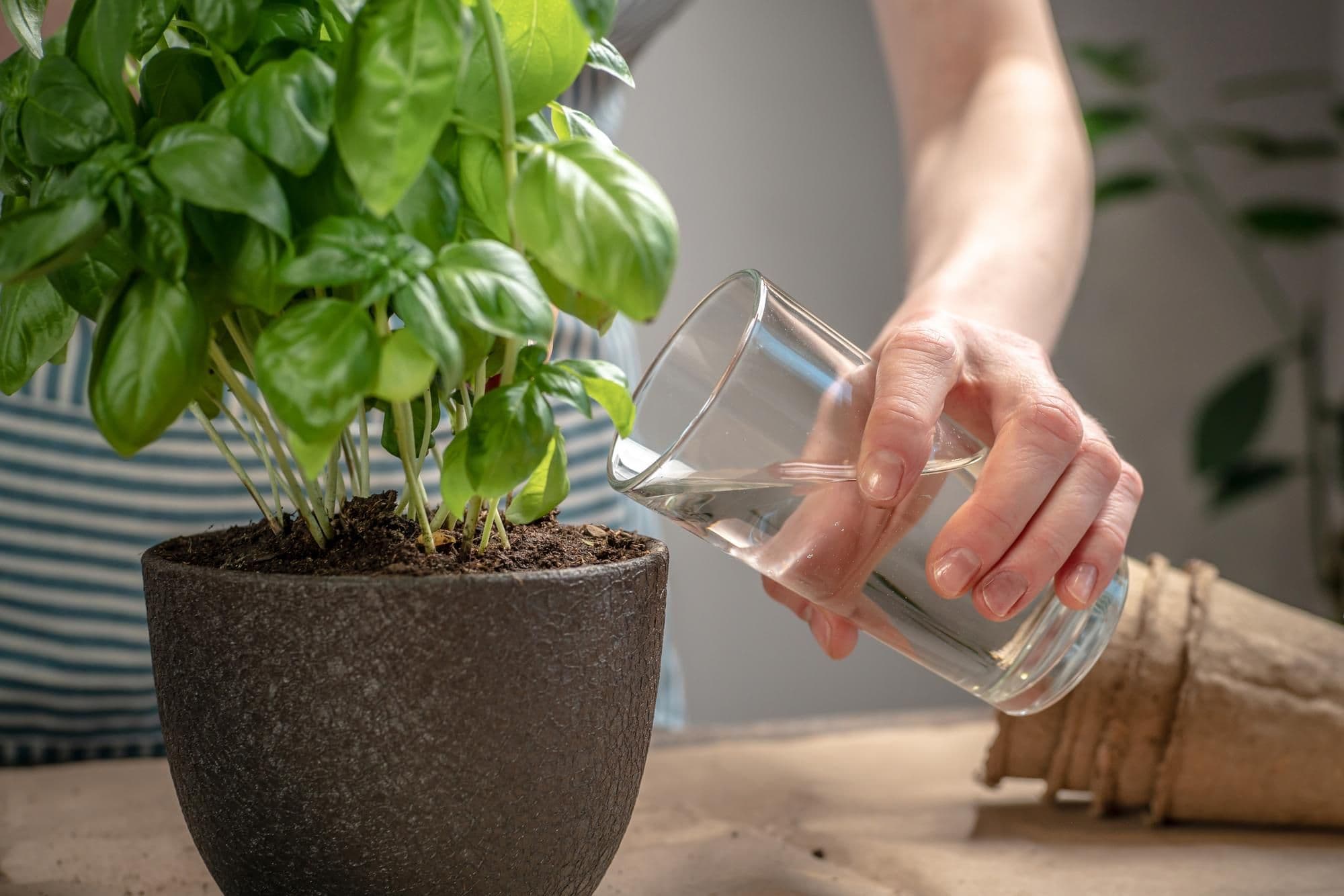
Is Sugar Water Good for Plants?
Sugar water may sound like an easy boost, but most rooted plants do not need extra sucrose. This guide explains how green tissues produce carbohydrates, when a sweetened solution can be useful, and why too much can cause problems.
Explore Plants by Care Needs

Identify the plant and problem. Help your plant recover
Identify plant problems early, understand what's wrong, and get clear care guidance. Botan helps you turn guesswork into confident plant care