Branch training
While stems are still flexible, gently spread main branches outward using soft ties or a simple wooden spacer to create an open canopy that lets in light and supports heavier fruit loads without snapping.

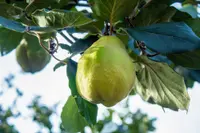
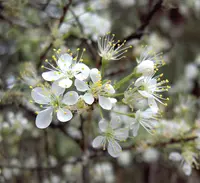
Guava, Psidium guajava, is a tropical fruit tree or large shrub known for its fragrant white flowers and round to pear-shaped fruits with sweet, aromatic flesh. It has smooth, peeling bark, opposite oval leaves, and a naturally bushy, branching habit that can be kept compact with pruning, which suits home gardens and larger containers. Native to tropical America but now grown across many warm regions, it is generally fast-growing and forgiving if basic needs are met. Guava prefers bright light, warmth, and well-drained soil, so learning how to care for guava focuses mainly on providing enough sun and avoiding waterlogged conditions.

Care Difficulty
Moderate Care

Light Preference
Full Sun

Water Requirements
Regular Water

Temperature Preference
Tropical / Frost Sensitive

Hardiness Zone
9–11

Soil Texture
Sandy, Loamy, Organic-rich

Soil pH
Acidic (5.5–6.5), Slightly acidic (6.5–7.0)

Soil Drainage
Moist but well-drained

Fertilization
Moderate (every 2–4 weeks)
Scan your plant to receive care tips personalized for your specific plant
Available on iOS and Android
This tropical fruit tree needs strong light to flower and fruit well outdoors.
This species prefers evenly moist but not saturated soil, especially during active growth and fruiting.
This plant performs best in consistently warm, frost-free conditions.
This species grows best with moderately humid air but usually adapts to typical indoor levels.
This plant prefers loose, well‑aerated, slightly acidic to neutral soil that drains quickly but does not dry out instantly.
This species is suitable for container growing when the pot supports strong roots and stable top growth.
Nutrient inputs support strong growth and fruiting for guava, especially in containers or poor soil.
Targeted pruning keeps Psidium guajava compact, productive, and easier to harvest.
Container-grown Psidium guajava and young field plants benefit from occasional root-space upgrades.
New Psidium guajava plants are commonly raised from seeds and semi-hardwood cuttings.
Winter care for Psidium guajava focuses on avoiding freezing damage to foliage and roots.

Plant Health Check
Not sure what's wrong with your plant? Check your plant's health inside the app.
This guava species is native to tropical regions of Central America and northern South America, but has naturalized across many tropical and subtropical areas worldwide, including parts of Florida and Hawaii.
The fruit’s strong aroma comes from a mix of volatile compounds such as esters and terpenes, which attract fruit-eating animals that disperse the seeds.
Although it is a C3 plant, research has shown that its leaves can display some C4-like features, such as high vein density, which may contribute to efficient photosynthesis in bright, warm environments.

In several Pacific islands and parts of Asia, this species has become a serious invasive plant, forming dense thickets in disturbed habitats and native forests that outcompete local vegetation and alter ecosystem structure.
Yellowing leaves often result from nutrient deficiencies, especially nitrogen or iron, root stress from waterlogging, or sudden temperature shifts. Check drainage, avoid overwatering, and apply a balanced, slow-release fertilizer or chelated iron if soil tests indicate deficiency.
Keep your plants happy and healthy with plant identification, disease detection, and easy care guidance.