Wind‑firm training
In the first 2–3 years, stake young trees and gradually loosen ties each season so the trunk flexes slightly in wind, which helps build a strong, tapered trunk that supports heavy crops later.

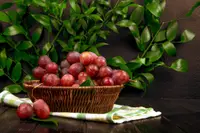
Jujube, Ziziphus jujuba, is a small deciduous fruit tree known for its glossy foliage, thorny branches, and date-like edible fruits. It forms a rounded to irregular crown and can be grown as a specimen tree or in small orchards.
This species is native to dry regions of China and central Asia but is now cultivated in many warm, temperate, and subtropical areas. It is valued for its tolerance of heat, drought, and relatively poor soils, which makes it easier to establish than many other fruit trees.
The tree prefers full sun, well-drained soil, and moderate watering once established. Understanding how to care for Jujube helps owners get reliable flowering and fruiting under home garden conditions.

Care Difficulty
Moderate Care

Light Preference
Full Sun

Water Requirements
Low Water

Temperature Preference
Cold Hardy

Hardiness Zone
5–10

Soil Texture
Sandy, Loamy, Clay

Soil pH
Slightly acidic (6.5–7.0), Slightly alkaline (7.0–7.5)

Soil Drainage
Well-drained

Fertilization
Minimal (feed rarely)
Scan your plant to receive care tips personalized for your specific plant
Available on iOS and Android
This fruit tree thrives in full sun but copes with some light shade in hot regions.
This species prefers deep, infrequent watering once established rather than constant surface moisture.
This drought-tolerant tree handles a wide temperature range but has clear limits for frost and extreme heat.
This species tolerates a wide humidity range and rarely needs special humidity management.
Ziziphus jujuba prefers loose, well‑aerated mineral soils that drain quickly yet hold some moisture.
This species can be grown in large containers if the pot supports a deep, wide root system and tree-like structure.
This drought-tolerant fruit tree needs only modest feeding for good growth and yield.
Pruning maintains structure, light penetration, and fruiting wood on Ziziphus jujuba.
This species is usually grown in the ground, so focus on careful transplanting rather than frequent repotting.
Gardeners usually propagate this tree by seed or vegetative methods, depending on whether fruit traits must stay true.
Mature trees are quite cold hardy, so winter care is usually minimal in most temperate climates.

Plant Health Check
Not sure what's wrong with your plant? Check your plant's health inside the app.
This species was domesticated in China at least 4,000 years ago and has since been selected into hundreds of cultivars with different fruit sizes, shapes, and ripening times.
As the fruit ripens from green to reddish-brown, its starch reserves are enzymatically converted into sugars, which is why fully mature fruits taste much sweeter and have a wrinkled, date-like texture when dried.
This tree tolerates hot, arid summers and cold winters down to about −20°C, which allows growing Jujube in regions that are too cold or dry for many other traditional fruit trees.

Archaeological evidence shows that jujube fruits and seeds have been found in ancient sites along the Silk Road, indicating that this species was traded and transported over long distances as a valued fruit crop thousands of years ago.
Lack of flowers often comes from immature age, excess nitrogen fertilizer, deep shade, or drought during bud formation. Consistent watering, balanced low-nitrogen fertilizer, and full sun exposure usually restore flowering over 1–2 seasons when growing Jujube outdoors.
Keep your plants happy and healthy with plant identification, disease detection, and easy care guidance.