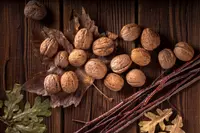
Persian Walnut Care (Juglans regia)

Also known as: Common walnut, walnut, English Walnut, Madeira walnut
Persian Walnut

About Persian Walnut

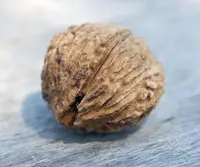
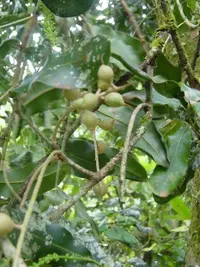
The Persian walnut, Juglans regia, is a long-lived deciduous tree grown for its edible nuts and valuable timber. It develops a broad, rounded crown with a strong central trunk and smooth, gray bark that darkens and furrows with age.

Native to a wide region from southeastern Europe to western and central Asia, it is now widely cultivated in temperate climates. The tree prefers full sun, deep, fertile, well-drained soil, and moderate moisture.

Once established, it is relatively resilient, but its large mature size and sensitivity to waterlogging and late frosts can make site choice important. Understanding how to care for Persian Walnut helps ensure healthy growth and reliable nut production.

Main Plant Requirements

Care Difficulty

Moderate Care

Light Preference

Full Sun

Water Requirements

Moderate Water

Temperature Preference

Cold Hardy

Hardiness Zone

5–9

Soil Texture

Loamy, Sandy, Clay

Soil pH

Acidic (5.5–6.5), Slightly acidic (6.5–7.0)

Soil Drainage

Well-drained

Fertilization

Minimal (feed rarely)

Get Personalized Care Plan

Scan your plant to receive care tips personalized for your specific plant

Available on iOS and Android

How to Care for the Persian Walnut

Juglans regia performs best in open, bright sites with long daily sun exposure.

  • Provide 6–8 hours of direct sun daily; full sun is ideal for nut production and strong wood development.
  • Tree tolerates light partial shade (especially afternoon) but prolonged shade reduces flowering, fruit set, and canopy density.
  • In hot inland climates, Persian Walnut benefits from morning sun with light afternoon shade to limit leaf scorch, especially on young or newly transplanted trees.

This deep-rooted tree needs consistent soil moisture during establishment and nut development but dislikes waterlogged ground.

  • Water when the top 5–8 cm of soil feel dry, applying a slow, deep soak to moisten the upper 30–45 cm of soil profile.
  • Reduce supplemental watering in fall and winter, focusing extra water in late spring and summer dry spells or during heat waves.
  • Signs of overwatering include yellowing leaves and soft shoots; curled, scorched leaf edges and early leaf drop suggest underwatering or chronic drought stress in Juglans regia.

This temperate-climate tree prefers distinct seasons with cool winters and warm, not extreme, summers.

  • Optimal growing temperatures are around 65–85°F (18–29°C), with best shoot growth and nut fill in mild, stable summer conditions.
  • Dormant trees tolerate winter lows down to about 0°F (−18°C) once established, but young grafts and new plantings are more cold-sensitive.
  • Spring frosts below 28°F (−2°C) can damage flowers and young shoots, while prolonged heat above 95°F (35°C) may cause leaf scorch and poorer nut quality without adequate soil moisture.

Humidity is rarely a limiting factor for Juglans regia when grown outdoors in its usual climates.

Juglans regia prefers deep, well-structured mineral soil that supports a wide, strong root system.

  • Aim for a loamy soil with moderate clay content that holds moisture yet crumbles easily in the hand.
  • Ensure drainage is steady, not waterlogged, by avoiding compacted subsoil and standing water zones.
  • Target a slightly acidic to neutral pH around 6.2–7.5, adjusting with lime or sulfur as needed.
  • Incorporate 5–15% well-rotted compost or leaf mold into the top 30–45 cm to improve structure and aeration without making the soil overly rich.

This tree is generally unsuitable for long-term container growing and is best planted in the ground.

Juglans regia benefits from modest, targeted feeding on poorer soils, especially in early years.

  • Use a balanced granular NPK (such as 10-10-10) or well-rotted compost spread over the root zone in early spring.
  • Apply fertilizer once in early spring and again in early summer during the active growing season only.
  • Keep rates moderate: follow label, staying at the lower end, and avoid placing fertilizer against the trunk.
  • Stop feeding Persian Walnut by mid-summer and do not fertilize in fall or winter to prevent soft, frost-tender growth.

Juglans regia pruning focuses on structural health and safety rather than frequent shaping.

  • Carry out main pruning in late winter while the tree is fully dormant to reduce sap bleeding.
  • Remove dead, diseased, or storm-damaged branches first, then thin crossing or crowded limbs.
  • Use clean, sharp bypass pruners or a pruning saw, making cuts just outside the branch collar.
  • Limit pruning of large limbs to maintain strong framework and stable nut production over time.

Juglans regia is usually field-grown and transplanted when young rather than kept long term in containers.

  • Transplant dormant young trees in late fall or early spring before bud break for best establishment.
  • Look for root circling in nursery pots or slowed growth as a sign the tree has outgrown its container.
  • Dig a wide planting hole, loosen circling roots gently, and keep the root flare level with the soil surface.
  • Water deeply after planting, mulch 5–8 cm away from the trunk, and keep soil evenly moist to reduce transplant shock.

Seed is the standard method for propagating Juglans regia, with grafting used for named cultivars.

  • Collect ripe nuts in fall, remove husks, and sow fresh or after cold stratification at 34–41°F for 3–4 months.
  • Plant seeds 5–8 cm deep in well-drained, fertile soil, protecting from rodents and heavy disturbance.
  • Provide full sun, even moisture, and good weed control for young seedlings during the first 2–3 years.
  • Use compatible rootstocks and dormant scion wood for grafting when specialized Juglans regia plant care or specific cultivars are desired.

Mature Juglans regia trees are cold hardy in much of the US and need little winter care once established.

  • Young trees benefit from 5–8 cm of organic mulch over the root zone, kept away from the trunk.
  • In very cold or windy sites, use a breathable trunk wrap to limit bark splitting and sunscald.
  • Container-grown specimens in colder zones should be moved to an unheated, frost-free or slightly sheltered area.

Care Tips

Root zone management

Keep the root zone free of turfgrass and aggressive groundcovers in at least a 1.5–3 m radius, and maintain an organic mulch layer 5–8 cm deep to reduce competition, conserve moisture, and protect surface roots.

Structured formative pruning

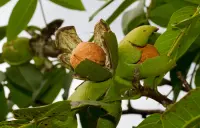
In the first 3–5 years, select a single strong leader and 3–5 well-spaced scaffold branches, removing steep, crossing, or duplicated branches in late winter to build a stable, productive crown.

Walnut blight prevention

In areas with wet springs, monitor young shoots and nuts closely and apply registered copper-based sprays at bud break and after prolonged rain if local guidelines recommend them, since early protection greatly reduces walnut blight losses.

Trunk and crotch protection

Use a breathable, light-colored trunk wrap or diluted interior white latex paint on the south and southwest sides of young trunks in late winter to reduce sunscald and bark cracking, and avoid piling mulch or soil against the bark.

Nut and debris hygiene

Collect and remove dropped nuts, husks, and heavily infested leaves promptly in late summer and fall to lower overwintering populations of pests and diseases, which improves long-term success when growing Persian Walnut.

Common Pests and Diseases

Walnut blight

This disease causes black, sunken lesions on young shoots, leaves, catkins, and especially on developing nuts, which may turn black and drop early. Symptoms include severe yield loss in wet springs and early summers.

Solution

Prune out and destroy infected twigs and mummified nuts, and avoid overhead irrigation that keeps foliage wet. In areas with a history of walnut blight, use copper-based sprays timed to bud break and after prolonged rain, and select blight-tolerant cultivars when planning long-term Juglans regia care instructions.

Walnut husk fly

This pest lays eggs in the green husk of developing nuts, and larvae tunnel inside, turning the husk into a black, soft pulp that stains shells and can reduce nut quality. Symptoms include maggots inside husks and premature nut drop.

Solution

Rake up and destroy all infested nuts and fallen husks to break the life cycle. Use yellow sticky traps to monitor adults and, when activity starts, apply targeted bait sprays or spinosad-based products according to label directions to protect the crop.

Codling moth

This insect pest targets walnut kernels, with larvae boring through the shell and feeding inside the nut, leaving frass and damaged kernels. Symptoms include small entry holes in shells and nuts that are shriveled or partially eaten.

Solution

Collect and destroy fallen nuts regularly, and remove loose bark where pupae may hide. Use pheromone traps to monitor moth flights and, if needed, apply well-timed biological or reduced-risk insecticides during egg-laying periods to protect developing nuts.

Thousand cankers disease

This disease results from a combination of walnut twig beetles and a pathogenic fungus, causing many small cankers under the bark that disrupt water flow. Symptoms include yellowing leaves, branch dieback from the top down, and gradual tree decline.

Solution

Promptly remove and destroy dead or heavily infested branches, and never move firewood or prunings from infected areas to new sites. Maintain tree vigor with proper watering and avoid trunk injuries, and consult local forestry or extension services for regional quarantine and management guidance.

Walnut anthracnose

This fungal disease produces small, dark, circular leaf spots that can merge, leading to yellowing and early leaf drop in late summer. Symptoms include thinning foliage and reduced tree vigor in humid conditions.

Solution

Rake and remove fallen leaves to reduce overwintering spores, and improve canopy airflow by pruning crowded branches. In high-pressure areas, apply appropriate fungicides starting at leaf-out and repeat based on product instructions and rainy periods.

Interesting Facts

Self-pruning crown

The Persian walnut naturally sheds inner, shaded branches as it matures, creating an open, high canopy that allows more light and air movement into the crown than many other nut trees.

Juglone production

Persian walnut roots, leaves, and husks release a compound called juglone, which can inhibit the growth of some nearby plants, shaping the plant community that can survive under and around the tree.

Ancient trade crop

This species was domesticated in regions around modern Iran and Central Asia and then spread along ancient trade routes such as the Silk Road, becoming one of the earliest widely traded tree nuts.

Botan icon

Did you know?

Single Persian walnut trees can remain productive for nut harvest for more than a century, so in traditional orchards some trees have supplied food to multiple human generations in the same family.

FAQs about Persian Walnut

Growth is moderate once established. Young trees often add 30–60 cm in height per year, sometimes more in ideal conditions. Rate depends on climate, soil fertility, moisture, and root health. Initial years may be slower.

Grow Healthy Plants with Botan Care

Keep your plants happy and healthy with plant identification, disease detection, and easy care guidance.

Botan plant care app — identify plants on mobile

Explore More Plants