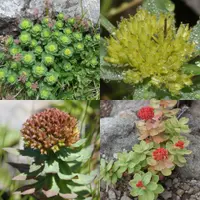
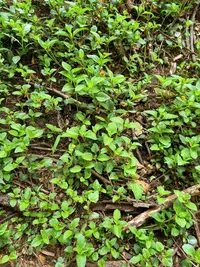
goldenseal Care (Hydrastis canadensis)

goldenseal

About goldenseal

Goldenseal, Hydrastis canadensis, is a small woodland perennial native to the deciduous forests of eastern North America. It spreads slowly by thick, yellow rhizomes just below the soil surface.

The plant typically has one or two palm-shaped leaves and a single greenish-white flower that develops into a red berry. Its growth is compact and low, forming loose clumps over time.

Goldenseal prefers cool, shaded conditions, rich leaf-mold soil, and consistently moist but not waterlogged ground. It can be slow to establish and does not tolerate heat, drought, or disturbance well.

Because of its specific woodland requirements and slow growth, it is considered moderately challenging for beginners. Learning how to care for goldenseal starts with recreating a stable, shady forest-floor environment.

Main Plant Requirements

Care Difficulty

Hard Care

Light Preference

Shade

Water Requirements

Keep Soil Moist

Temperature Preference

Cold Hardy

Hardiness Zone

3–8

Soil Texture

Loamy, Silty, Organic-rich

Soil pH

Acidic (5.5–6.5), Slightly acidic (6.5–7.0)

Soil Drainage

Moist but well-drained

Fertilization

Minimal (feed rarely)

Get Personalized Care Plan

Scan your plant to receive care tips personalized for your specific plant

Available on iOS and Android

How to Care for the goldenseal

This woodland perennial prefers low, filtered light that mimics a shaded forest floor.

  • Provide dappled or full shade with only brief early-morning sun, aiming for 1–3 hours of weak direct light and the rest in shade.
  • Avoid strong midday or afternoon sun, which can scorch goldenseal leaves, cause bleaching, and dry the soil too quickly.
  • In summer, increase shade density; in early spring and late fall, slightly more indirect light is acceptable as tree canopies thin.

Hydrastis canadensis prefers consistently moist, cool soil without waterlogging.

  • Water when the top 2–3 cm of soil feels barely dry, aiming to keep deeper soil evenly damp, especially during active spring and early-summer growth.
  • Use deep, slow watering so moisture reaches the root zone, and ensure soil drains well to prevent standing water and root rot symptoms such as yellowing, limp foliage.
  • Reduce watering in late fall and winter dormancy, providing just enough moisture to prevent complete drying and leaf crisping or premature dieback.

This species is adapted to cool, temperate woodland climates with marked seasonal change.

  • Aim for growing-season temperatures of 55–75°F (13–24°C), which support steady root and foliage development without stress.
  • Hydrastis canadensis tolerates winter cold down to about -10°F (-23°C) when mulched, and benefits from natural winter chilling for dormancy.
  • Protect plants from prolonged heat above 85°F (29°C) with extra shade and mulch, as high temperatures combined with dry soil can cause wilting and leaf scorch.

This woodland perennial prefers cool, moist air similar to a shaded forest floor.

  • Aim for 50–70% humidity to mimic its native understory habitat for goldenseal.
  • Dry indoor air causes leaf edges to brown and curl, and growth to slow.
  • Increase humidity with a nearby pebble tray, grouped shade plants, or a humidifier rather than misting leaves directly.

This species needs loose, humus-rich soil that mimics a moist deciduous forest floor.

  • Use a deep, loamy mix with high organic matter, such as 50–70% leaf mold or compost blended with garden loam.
  • Ensure steady drainage by adding pine bark fines and a small amount of coarse sand, avoiding waterlogged or compacted sites.
  • Keep pH slightly acidic to neutral, around 5.5–7.0, which supports root health and nutrient uptake in Hydrastis canadensis.
  • Avoid heavy clay, standing water, or thin, rocky soil; improve aeration by incorporating well-decomposed leaf litter before planting.

This shade-loving species can grow in containers if moisture and root space are carefully managed.

  • Choose a tall, stable pot at least 25–30 cm deep to accommodate its fleshy rhizomes and downward-growing roots.
  • Use a thick-walled plastic or glazed ceramic container to slow moisture loss and keep the root zone cool in summer.
  • Elevate the pot on feet or bricks so drainage holes clear easily and excess water cannot pool under the container.

This woodland perennial needs minimal feeding, but light nutrition supports healthy Hydrastis canadensis growth in poor soils.

  • Use a thin top-dressing of leaf mold or compost in early spring, mimicking forest litter.
  • In very lean soils, apply a mild, balanced NPK fertilizer at 1/4–1/2 strength once in spring.
  • Avoid high-nitrogen products, which can cause weak, lush foliage and stress the roots.
  • Do not feed during dormancy in fall and winter; excess nutrients at this stage are unused and may leach.

Pruning needs for Hydrastis canadensis are low and focus mainly on hygiene rather than shaping.

  • Cut back dead or yellowing stems after foliage dies down in late fall or very early spring.
  • Remove damaged, diseased, or pest-infested tissue promptly using clean, sharp scissors or hand pruners.
  • Thin only overcrowded clumps that shade each other heavily, which can reduce vigor over time.
  • Avoid heavy cutting of healthy growth, as it does not improve flowering or root production in this species.

This forest understory plant is usually grown in the ground, so management centers on occasional transplanting rather than frequent repotting.

  • Transplant goldenseal in early spring or early fall when temperatures are mild and soil is moist.
  • Look for signs such as congested clumps, declining vigor, or crowns rising above soil level as cues to divide and move plants.
  • Lift clumps gently, tease apart rhizomes with minimal breakage, and replant at the same depth in rich, humusy soil.
  • Water thoroughly after transplanting, then keep soil evenly moist and shaded to limit transplant shock and root stress.

Expansion of Hydrastis canadensis stands is commonly done by division, with seed used mainly by advanced growers or conservation projects.

  • Divide established rhizomes in early spring or early fall, selecting firm, healthy pieces with at least one bud.
  • Replant divisions 5–10 cm deep in moist, humus-rich, shaded soil, and water well to settle air pockets.
  • For seed, provide cold stratification at 34–41°F for several months to break dormancy before sowing in trays or beds.
  • Maintain consistently moist, cool conditions and shade for both divisions and seedlings to support slow, steady establishment.

This species is cold hardy across much of its native range and usually needs little winter care once established outdoors.

  • Tolerates typical frosts in USDA zones 3–7, with foliage naturally dying back to the rhizomes.
  • Apply a 5–8 cm layer of shredded leaves or compost as mulch in late fall to buffer freeze–thaw cycles.
  • For container-grown plants in very cold climates, move pots into an unheated garage or cold frame to prevent root freezing.

Care Tips

Rhizome Spacing

Plant rhizome pieces 20–30 cm apart and at a uniform depth so each has room to expand, which reduces competition and improves long-term stand density when growing goldenseal.

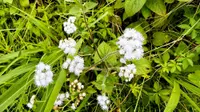
Leaf Mulch Layer

Apply a 5–8 cm layer of shredded hardwood leaves each fall to mimic forest duff, stabilizing soil moisture, cooling the root zone, and suppressing weed competition without disturbing rhizomes.

Gentle Weed Control

Hand-pull only shallow-rooted weeds and cut larger ones at the base instead of pulling, to avoid tearing shallow Hydrastis canadensis rhizomes and roots.

Slug And Snail Management

Set out shallow dishes of beer or yeast-water traps and remove refuges like boards or dense debris near the bed to limit slug and snail feeding on young shoots and leaves.

Harvest Timing And Technique

Delay rhizome harvest until plants are at least 5–7 years old, then lift small sections with a fork and replant some healthy rhizome pieces immediately to maintain a sustainable patch.

Common Pests and Diseases

Leaf spot

This disease causes small water-soaked spots on leaves that enlarge into brown or tan lesions, often with yellow halos and premature leaf drop. Symptoms include heavier damage in wet, crowded, low-light plantings.

Solution

Remove and discard affected leaves, avoid overhead watering, and water early in the day so foliage dries quickly. Improve spacing and airflow, keep mulch and debris off the crowns and lower leaves, and if outbreaks are recurrent in a patch used for growing goldenseal, consider rotating the planting area and using a copper-based fungicide labeled for herbaceous perennials as a last resort.

Rhizoctonia crown rot

This disease causes wilting, yellowing, and collapse of shoots, with dark sunken lesions at the crown and on upper roots. This fungus is favored by poorly drained, warm, organic-rich soils and dense mulch around crowns.

Solution

Promptly remove and destroy any collapsed plants and surrounding soil, and avoid replanting in the same spot for several years. Improve drainage, reduce mulch directly over crowns, avoid excess nitrogen, and use only clean planting stock; in high-value plantings, a biologically based soil fungicide containing Trichoderma or Bacillus species may help suppress the pathogen when applied preventively.

Botrytis blight

This disease produces soft brown lesions on leaves, stems, and flower structures that may be covered with gray fuzzy mold in cool, wet weather. Symptoms include rapid collapse of tender new growth under prolonged high humidity and dense shade.

Solution

Remove and discard infected tissue as soon as it appears and clear away spent foliage and plant debris from the bed surface. Increase airflow, avoid splashing water onto foliage, thin dense patches, and in recurrent cases apply a labeled protectant fungicide before extended wet periods, focusing on spring emergence and early growth.

Slugs and snails

These pests chew irregular holes in leaves, often leaving only the larger veins, and feed heavily on tender emerging shoots. This pest thrives in moist, shaded beds with thick mulch or leaf litter where goldenseal is typically grown.

Solution

Hand-pick pests in the evening, reduce hiding places by keeping mulch thin and lifting flat debris, and use iron phosphate slug baits placed away from crowns. Copper barriers or rough-textured grit around planting zones can further reduce feeding on emerging shoots.

Foliar nematodes

These microscopic worms move in water films on leaves and cause angular, water-soaked lesions that turn brown between veins, leading to distorted, stunted foliage. This disease spreads easily in dense plantings under overhead irrigation or heavy rainfall splash.

Solution

Remove and destroy badly affected plants and avoid overhead watering to limit water movement on foliage. Space plants to improve drying, propagate only from symptom-free stock, and if a bed is heavily affected, rest that area and establish new plantings with clean rhizomes in a different location.

Interesting Facts

Clonal forest herb

This woodland species often spreads slowly through thick yellow rhizomes, forming long‑lived clonal patches that can persist for many decades in the same forest understory.

Unusual flower structure

Its small greenish‑white flower lacks showy petals and instead displays a ring of many stamens and pistils, relying on small insects rather than visual attraction to achieve pollination.

Bright red drupe fruit

After flowering, it produces a single raspberry‑like cluster of glossy red drupelets, each containing 1–2 black seeds that are eaten and dispersed by wildlife in its native range.

Botan icon

Did you know?

This species is considered at risk or legally protected in several parts of its native range due to historic overharvesting and forest habitat loss, and is often used as a flagship example in conservation discussions about sustainably growing goldenseal.

FAQs about goldenseal

This species often needs several years of establishment before flowering. Lack of bloom usually relates to plant immaturity, excessive disturbance of roots, or stress from heat, drought, or nutrient-poor conditions rather than a single disease problem.

Grow Healthy Plants with Botan Care

Keep your plants happy and healthy with plant identification, disease detection, and easy care guidance.


Botan plant care app — identify plants on mobile

Explore More Plants