spearmint Care (Mentha spicata)

spearmint

About spearmint

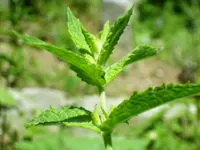
Spearmint, Mentha spicata, is a perennial herb from the mint family grown for its aromatic leaves and fresh flavor. It forms low, spreading clumps with square stems and bright green, toothed foliage. In the right conditions, it can spread quickly by underground stems and may become invasive outdoors. It naturally occurs in Europe and parts of Asia, but is now widely grown in home gardens and containers worldwide. This plant is considered easy to grow and forgiving, which helps new gardeners learn how to care for spearmint. It prefers consistent moisture, reasonably rich soil, and bright light with some protection from intense, hot sun.

Main Plant Requirements

Care Difficulty

Easy Care

Light Preference

Partial Sun

Water Requirements

Keep Soil Moist

Temperature Preference

Cold Hardy

Hardiness Zone

4–9

Soil Texture

Loamy, Silty, Organic-rich

Soil pH

Acidic (5.5–6.5), Slightly acidic (6.5–7.0)

Soil Drainage

Moist but well-drained

Fertilization

Light (every 4–6 weeks)

Get Personalized Care Plan

Scan your plant to receive care tips personalized for your specific plant

Available on iOS and Android

How to Care for the spearmint

This plant prefers bright conditions and stays most productive with several hours of direct sun daily.

  • Aim for 4–6 hours of direct morning sun with light afternoon shade to prevent leaf scorch, especially in hot summers.
  • Spearmint tolerates partial shade (2–4 hours of sun), but foliage may be less dense and flavor slightly milder.
  • In summer, protect from harsh west-facing exposure; in winter, use the brightest available spot to maintain compact, leafy growth.

This herb favors consistently moist but not waterlogged soil for vigorous leaf production.

  • Water when the top 2–3 cm of soil feels dry, allowing moisture to reach the full root zone without leaving standing water.
  • In hot, windy weather, expect to water more often; in cool or rainy periods, let the surface dry a bit deeper to avoid root rot.
  • Wilting, crisp leaves signal underwatering, while yellowing, soft stems suggest excess moisture and poor drainage around Mentha spicata roots.

This species grows best in mild to warm conditions and tolerates a reasonable range of outdoor temperatures.

  • Optimal growth occurs around 60–75°F (16–24°C), which supports steady leaf production and good essential oil content.
  • Established plants survive brief drops to about 20°F (-6°C), dying back above ground but often resprouting from the crown in spring.
  • In hot climates above 90°F (32°C), provide afternoon shade and reliable soil moisture to limit heat stress and leaf scorch.

Mentha spicata handles a wide humidity range and rarely needs special humidity management.

  • Target 40–60% humidity; typical indoor air in most homes already falls within this range for caring for spearmint.
  • Dry indoor air usually does not harm foliage, provided soil moisture stays even and roots do not dry out completely.
  • Watch for limp, dull leaves after rapid heat or wind exposure; move the plant out of drafts and use a shallow pebble tray if stress appears.

Mentha spicata prefers loose, moist, well-aerated soil that drains freely yet does not dry out too fast.

  • Use a loamy mix made from roughly 2 parts all-purpose potting mix, 1 part compost, and 1 part perlite or coarse sand.
  • Aim for slightly acidic to neutral pH around 6.0–7.0 to support nutrient availability and steady vegetative growth.
  • Improve drainage and aeration by avoiding compacted soil; gently break up clods and mix in coarse material so roots spread easily.
  • Avoid heavy clay, waterlogged containers, or soil with slow drainage, which encourages root rot and weak, yellowing stems.

This species is very suitable for container growing, which also helps control its spreading habit.

  • Choose a wide, not just deep, pot to accommodate its horizontal runners and prevent crowding at the edges.
  • Select a stable container that will not tip when top growth becomes dense and leafy, especially on windy balconies or patios.
  • Use slightly porous materials like unglazed terracotta if strong growth makes moisture control difficult, as they let excess water evaporate faster.

Mentha spicata is a fast-growing herb that benefits from light, consistent nutrition in active growth.

  • Use a balanced liquid fertilizer (around 10-10-10) at 1/4–1/2 strength every 3–4 weeks in spring and summer.
  • Alternatively, work a thin layer of finished compost into the topsoil at the start of the growing season.
  • Avoid heavy feeding; excessive nitrogen reduces flavor intensity in spearmint leaves.
  • Stop or greatly reduce fertilizing in fall and winter, when growth slows or plants die back.

Mentha spicata responds well to pruning, which keeps plants dense, leafy, and productive.

  • Begin light pruning in spring once stems reach 10–15 cm, using clean scissors or pruning snips.
  • Pinch or cut stem tips above a leaf node to encourage branching and a bushier shape.
  • Remove yellowing, dead, or wind-damaged stems promptly to maintain hygiene and airflow.
  • In late summer, shear back up to 1/3 of growth to refresh foliage and limit sprawling spread.

Mentha spicata often outgrows containers and benefits from periodic repotting or garden division.

  • Check for roots circling the pot, reduced vigor, or quick dry-out; these signal the need to repot.
  • Aim to repot or transplant every 1–2 years in early spring or early fall, avoiding extreme heat.
  • Choose a slightly larger pot with drainage and fresh, loose potting mix to relieve root congestion.
  • Water thoroughly after moving, keep in bright but not harsh sun for a few days, and maintain even moisture to reduce transplant shock.

Mentha spicata is commonly multiplied by stem cuttings and division for consistent flavor and growth.

  • Take 8–10 cm softwood cuttings in late spring or early summer and root in water or moist, sterile mix.
  • Remove lower leaves, keep 2–3 leaves at the tip, and maintain high humidity and bright, indirect light.
  • Divide mature clumps in spring or early fall, keeping several shoots and healthy roots per division.
  • Seeds are possible but less reliable for uniform flavor; sow on the surface of moist mix and keep warm.

Mentha spicata is cold hardy in many temperate climates and usually needs only minimal winter care.

  • In the ground, allow foliage to die back after frost, then mulch the root zone with 3–5 cm of straw or leaves.
  • Container plants are more vulnerable; move pots to a sheltered, unheated but frost-free spot if winters are severe.
  • Reduce watering in winter, keeping soil just barely moist so dormant roots do not dry out.

Care Tips

Contain Root Spread

Grow spearmint in a large pot, bottomless bucket, or buried barrier ring 20–30 cm deep to stop its invasive runners from overtaking nearby plants.

Harvest For Bushiness

Pinch or cut stem tips above a pair of leaves every 1–2 weeks during active growth to encourage dense, bushy plants and delay flowering, which keeps leaves tender and aromatic.

Refresh Old Clumps

Every 2–3 years, lift outdoor clumps in early spring, divide the healthiest outer sections with white roots, and replant them to maintain vigor and reduce disease buildup.

Sanitize After Pests

After any aphid or mite issue, prune and discard heavily infested shoots and clean tools and pots with a mild bleach solution (1:9 bleach:water) to lower the risk of reinfestation when caring for spearmint.

Cool, Fast Drying Harvest

Harvest in the morning once dew has dried, rinse quickly, then spin or pat leaves dry and cool them immediately to preserve flavor and reduce fungal spotting on stored sprigs.

Common Pests and Diseases

Mint rust

This disease causes small orange, yellow, or brown pustules on the undersides of leaves and can lead to leaf drop and weak growth.

Solution

Remove and destroy affected leaves as soon as they appear, avoid overhead watering, and thin plants to improve airflow; in severe cases, cut the mint patch down to the base and dispose of infected debris, then replant in fresh soil away from the infected area.

Mint flea beetles

These insects chew numerous small round holes in leaves, giving foliage a shot‑holed appearance and reducing usable harvest.

Solution

Hand-pick beetles where possible, remove nearby weeds that can host them, and use lightweight row covers to protect plants during peak activity; in home gardens, insecticidal soap or neem oil can help if applied to both upper and lower leaf surfaces according to label directions.

Mint aphids

This pest clusters on tender stems and leaf undersides, sucking sap and causing curling, distortion, and sticky honeydew that can attract sooty mold.

Solution

Spray plants with a firm stream of water to dislodge aphids, then use insecticidal soap or neem oil on remaining colonies; encourage natural predators such as lady beetles by avoiding broad-spectrum insecticides nearby.

Verticillium wilt

This disease causes gradual yellowing, wilting, and dieback, often starting on one side of the plant or in patches of a bed.

Solution

Remove and destroy affected plants including as much root as possible, avoid replanting mint or other susceptible hosts in the same soil, and improve drainage and crop rotation to reduce pathogen buildup; new plantings are best started from clean, disease-free stock.

Powdery mildew

This disease produces white, powdery patches on leaves and stems, which can lead to yellowing and reduced aroma if severe.

Solution

Increase spacing and airflow, water early in the day and at soil level, and remove heavily affected shoots; for ongoing issues, use a registered horticultural oil or potassium bicarbonate product, applied evenly to all leaf surfaces according to label directions as part of Mentha spicata plant care.

Interesting Facts

Distinct carvone aroma

Spearmint leaves are rich in the compound (R)-carvone, which gives a sweet, mild mint scent and flavor that is chemically distinct from the menthol-dominated aroma of peppermint.

Main source of natural spearmint flavor

Commercial spearmint flavor used in chewing gum, toothpaste, and confectionery is typically derived from the essential oil of Mentha spicata, which has a characteristic soft, sweet profile preferred over sharper mints for daily-use products.

Hybridization with peppermint

Although Mentha spicata is a true species, it frequently hybridizes with other Mentha species, and genetic studies show that many cultivated spearmint lines are clonally propagated to preserve specific flavor chemotypes.

Botan icon

Did you know?

Archaeological evidence from ancient Greece suggests that spearmint was already distinguished from other mints and cultivated for its fragrance and household uses, making it one of the earliest clearly documented, purpose-grown mint species in Mediterranean cultures.

FAQs about spearmint

This species spreads quickly through underground stems called rhizomes. In open soil it can overrun nearby plants. Use containers, root barriers, or dedicated beds to confine it and allow easier long-term management when growing spearmint outdoors.

Grow Healthy Plants with Botan Care

Keep your plants happy and healthy with plant identification, disease detection, and easy care guidance.

Botan plant care app — identify plants on mobile

Explore More Plants